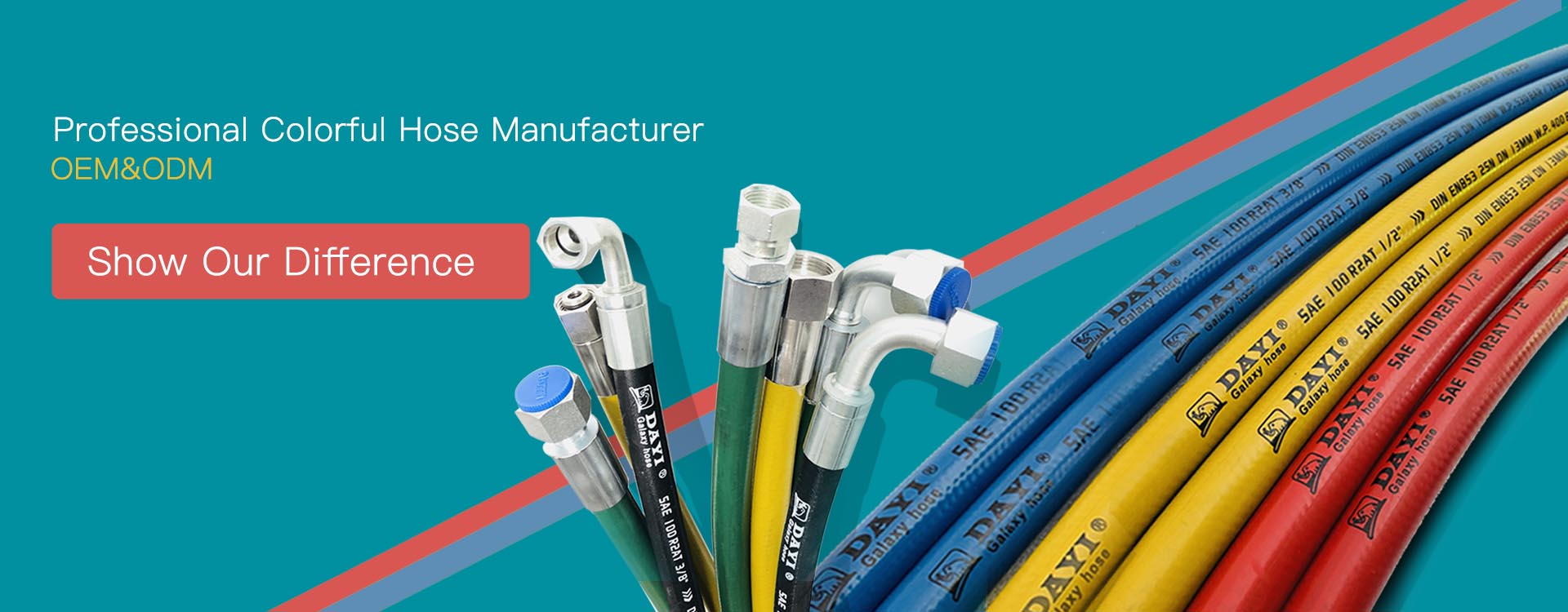
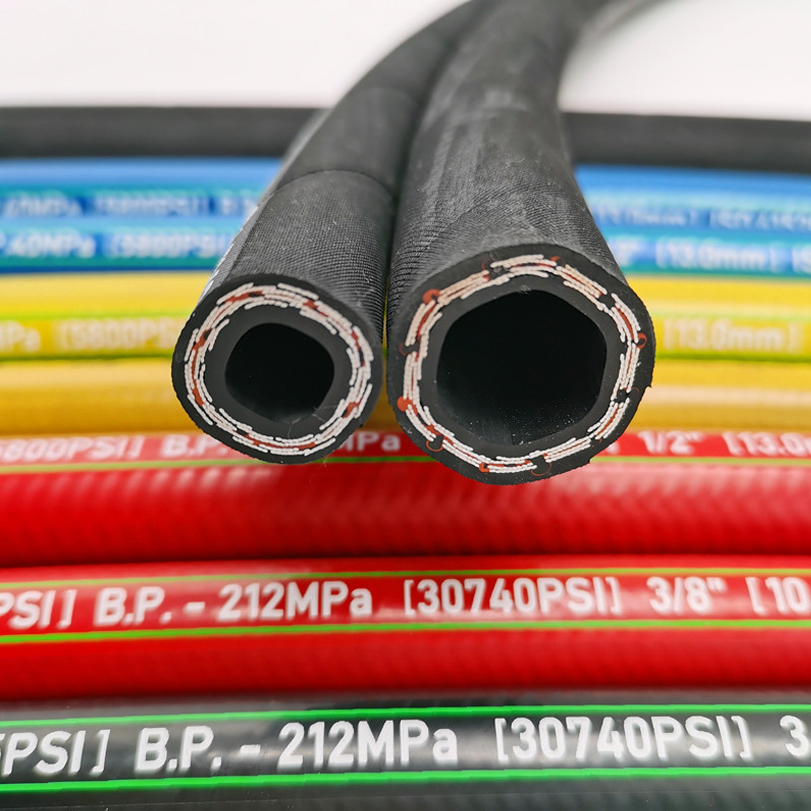
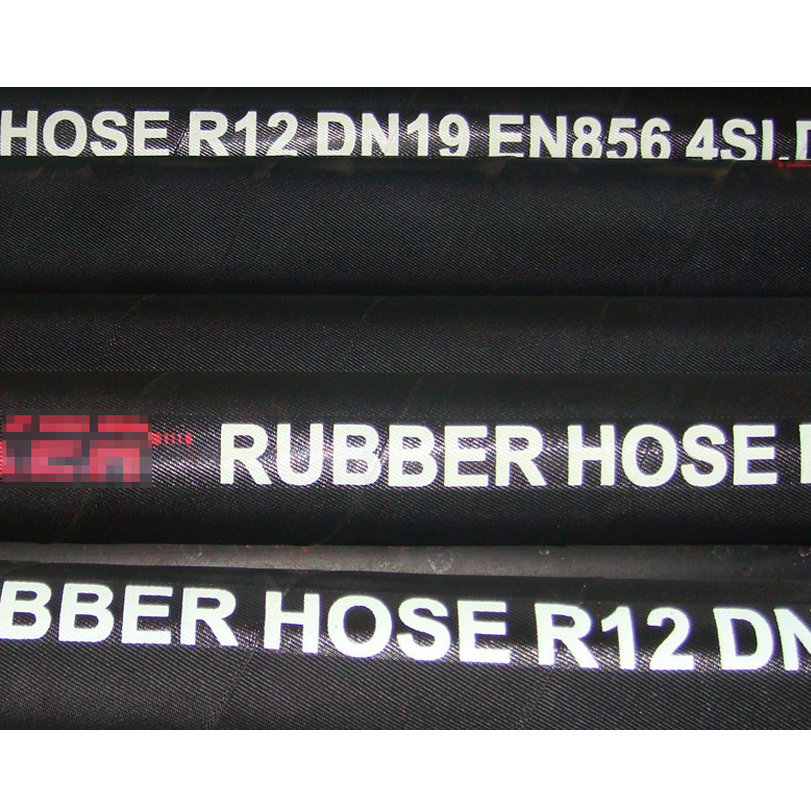
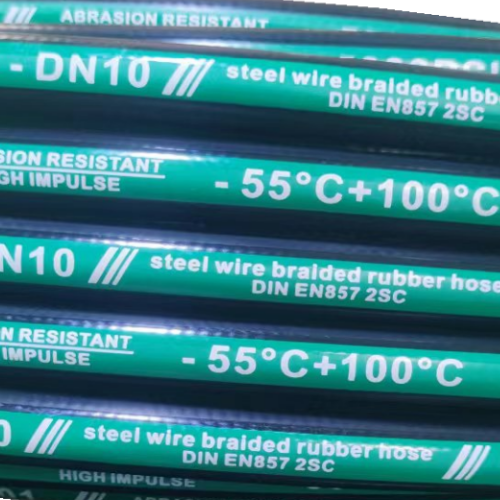
Galvanized Malleable Iron Elbow fittings play a foundational role in industrial fluid handling, especially when joining rubber hoses to rigid piping networks. These components ensure reliable directional changes and maintain pressure integrity across the entire system. Without robust connection hardware, even the highest-quality rubber hose can become a weak link in the pipeline.
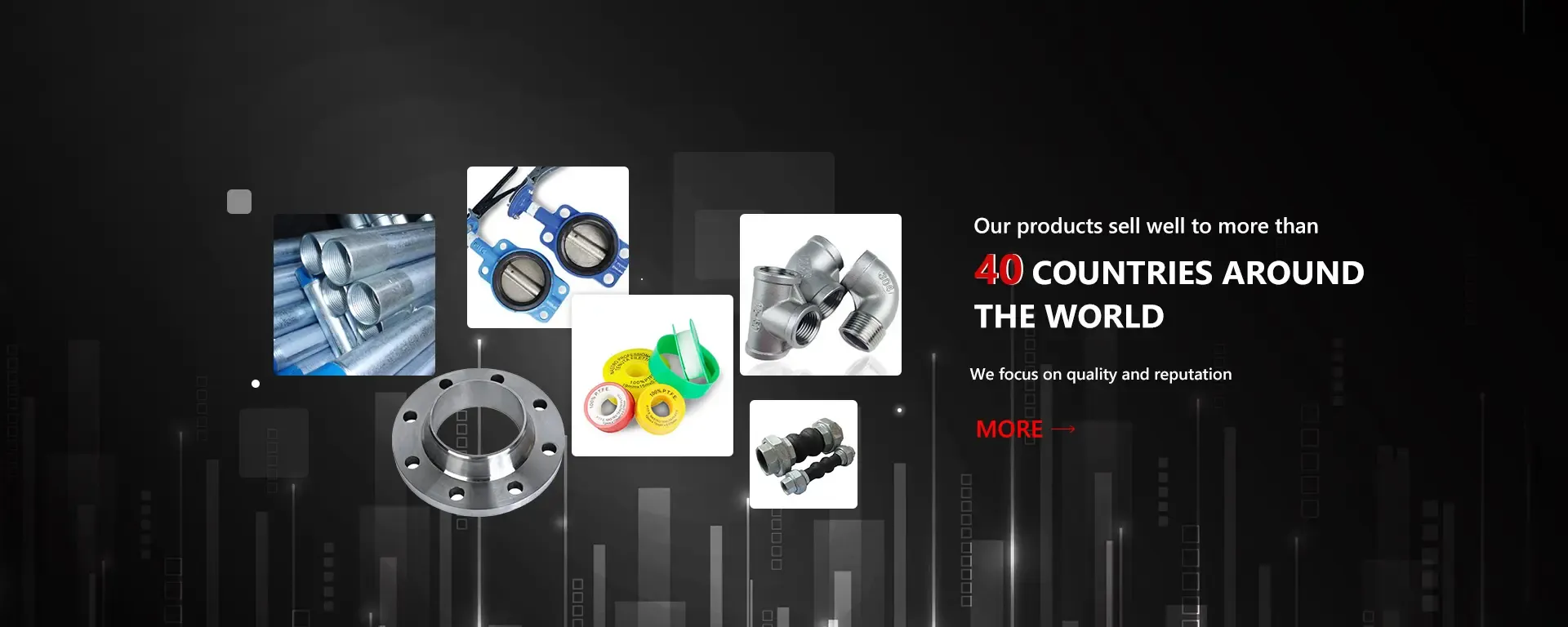
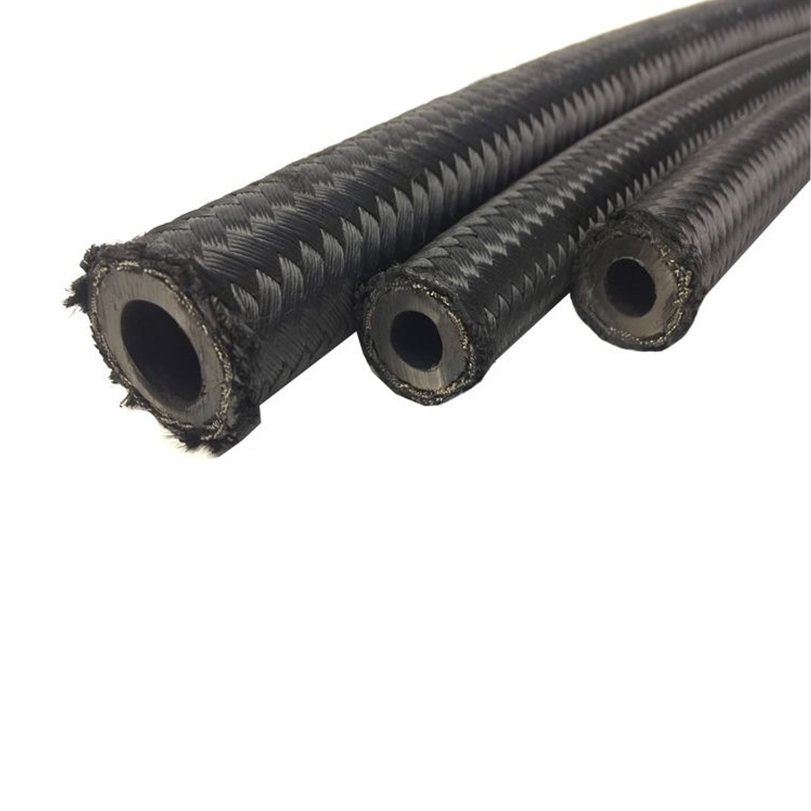
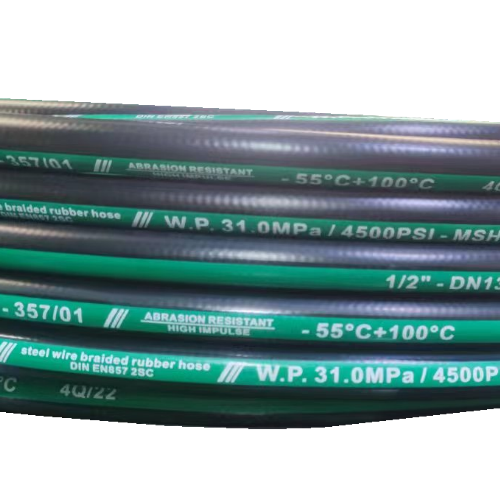
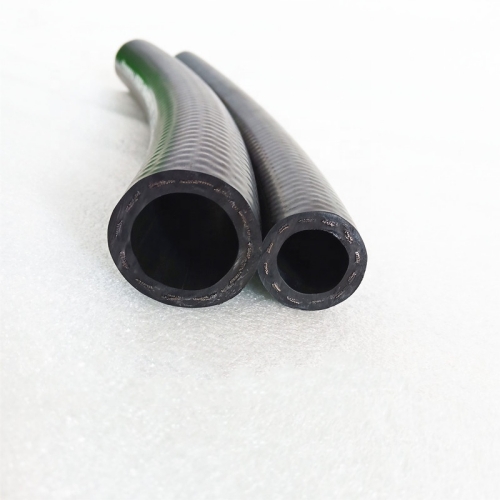
Rubber hoses are ubiquitous across industries — from mining and agriculture to chemical processing and fire protection. Their flexibility, vibration dampening, and corrosion resistance make them indispensable for moving fluids, gases, and slurries. However, the performance of any hose assembly is only as strong as its termination points. Flanges, couplings, and threaded fittings must be selected with care to match the hose material, working pressure, temperature range, and media being conveyed.
Why Connection Points Demand Special Attention
In any fluid transfer system, the interface between hose and pipe is the most common site for leaks, fatigue failures, and safety incidents. Thermal expansion, pressure surges, and mechanical vibration all concentrate stress at the joint. Engineers must account for these factors when specifying connection hardware. A well-designed joint uses compatible materials, appropriate thread standards (NPT, BSP, DIN), and proper sealing methods to create a durable, leak-free seal.
Threaded fittings made from galvanized malleable iron offer an excellent balance of strength, corrosion resistance, and ease of installation. They are widely used in water, oil, gas, and compressed air applications where medium pressure and moderate temperatures are present. The galvanized coating provides a sacrificial layer that protects the underlying iron from rust, extending service life in outdoor or humid environments.
Selecting the Right Hose Material for the Application
Rubber hose formulations vary widely to suit different media. EPDM (ethylene propylene diene monomer) hoses excel with hot water, steam, and dilute acids, while NBR (nitrile butadiene rubber) is preferred for petroleum-based fluids. Neoprene, silicone, and natural rubber each bring unique properties in terms of temperature tolerance, abrasion resistance, and flexibility. The hose cover must also resist environmental factors such as UV exposure, ozone, and chemical splashes.
When pairing a hose with rigid piping, the transition fitting must be compatible with both the hose inner tube material and the pipe material. For example, if a stainless steel pipe is connected to a rubber hose carrying chlorinated water, the fitting should be galvanized or otherwise protected against galvanic corrosion. Proper material matching prevents premature failure and unsafe operating conditions.
Structural Support Components in Hose Installations
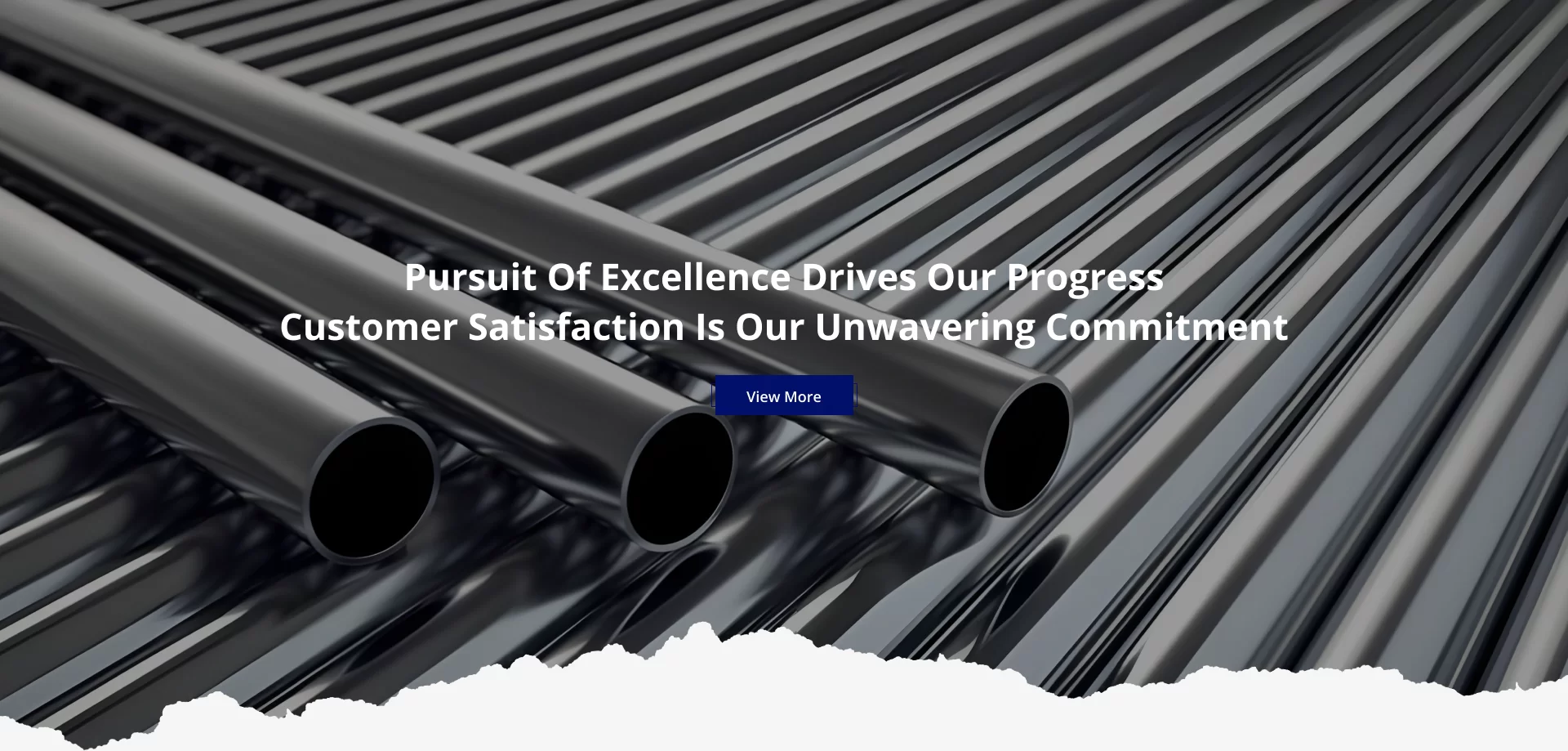
Beyond the hose and its end fittings, the overall system layout often requires structural supports to manage weight, reduce stress on connections, and maintain alignment. In many industrial settings, a Square Tube framework is used to build custom stands, brackets, and guardrails that keep hose assemblies organized and protected. These supports are especially valuable in plants with multiple parallel hose runs or in mobile equipment where vibration is constant.
Using square tube steel for hose support structures provides high rigidity with minimal material weight. It can be welded, bolted, or clamped into place, and its flat faces make it easy to mount hose saddles, clamps, and identification tags. Proper support spacing prevents hoses from sagging, kinking, or abrading against adjacent surfaces, all of which can shorten service life and create safety hazards.
Industry Standards and Certification Considerations
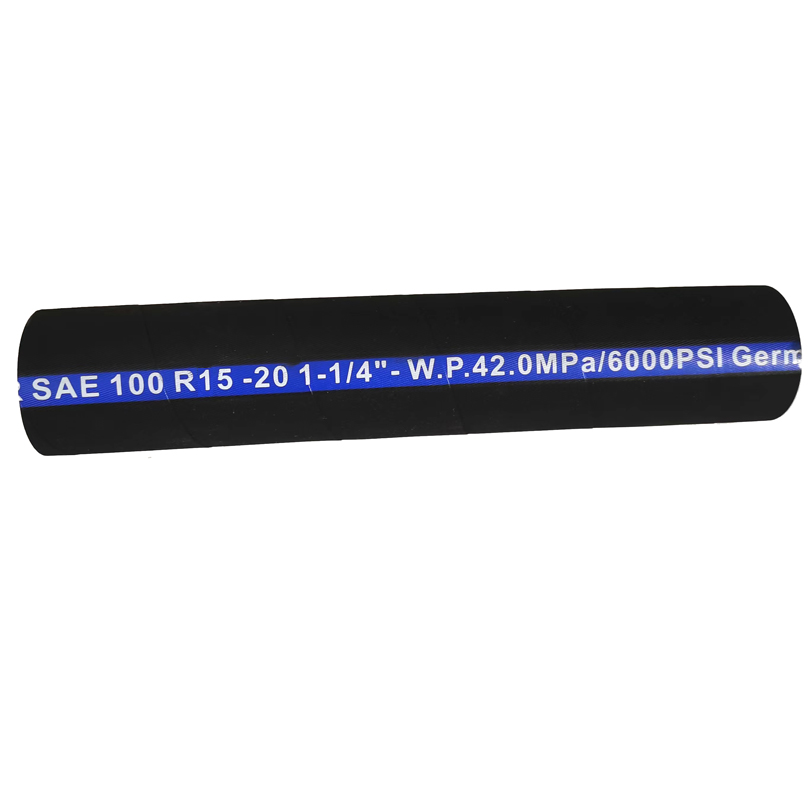
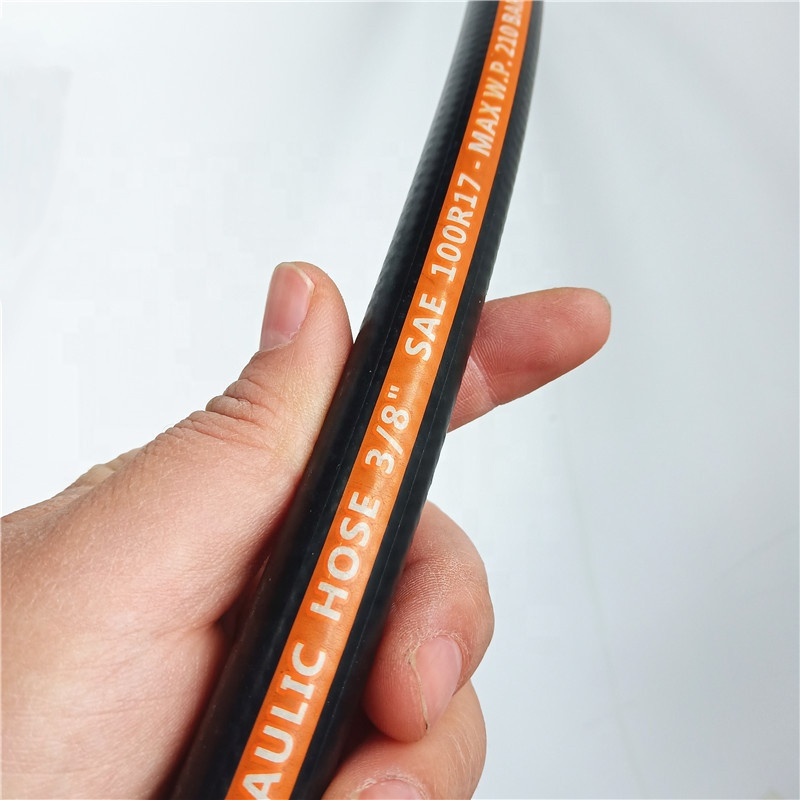
Compliance with recognized standards is essential for both hoses and fittings. Rubber hose assemblies are often tested to SAE, ISO, or EN standards depending on the region and application. Similarly, pipe fittings should carry certifications such as UL, FM, CE, or ABNT to verify their quality and safety. Using certified components simplifies inspections, reduces liability, and ensures that the system meets local regulatory requirements.
For critical applications like fire protection, potable water, or hazardous chemical transfer, traceability of materials is a key concern. Every fitting and hose should be marked with its size, material grade, pressure rating, and standard of manufacture. This documentation supports maintenance planning, spare part management, and future system modifications.
Best Practices for Hose and Fitting Assembly
Proper assembly technique is critical to achieving a leak-free, long-lasting connection. Technicians should follow these guidelines:
- Inspect all threads and sealing surfaces for damage, debris, or corrosion before assembly.
- Apply an appropriate thread sealant or tape compatible with the system media and temperature.
- Tighten connections to the manufacturer's recommended torque — over-tightening can cause thread galling or cracking.
- Use a backup wrench on the fitting body to prevent twisting or stressing the hose.
- After installation, pressure-test the system at 1.5 times the working pressure to verify integrity.
Regular inspection intervals should be established based on the severity of service. Visual checks for leakage, corrosion, hose cover damage, and fitting looseness can catch problems before they escalate. In high-cycle or high-vibration applications, more frequent inspections are warranted.
Conclusion: A Holistic View of System Reliability
The reliability of any rubber hose system depends on the seamless integration of hose, fittings, and structural supports. By paying careful attention to material compatibility, thread standards, certification requirements, and assembly practices, engineers and maintenance teams can achieve safe, long-lasting installations. Whether the application involves water transfer, chemical handling, or pneumatic conveyance, the connection points deserve the same level of scrutiny as the hose itself. Investing in quality fittings and supports ultimately reduces downtime, lowers total cost of ownership, and protects personnel and equipment.
As fluid handling systems continue to evolve with higher pressures, broader temperature ranges, and more aggressive media, the fundamentals of connection integrity remain unchanged. Choose components that are certified, compatible, and correctly installed — and the system will perform as intended for years to come.
...