
SMC Materials Products are increasingly specified as structural components in industrial environments where rubber hose assemblies operate under extreme pressure, temperature, and chemical exposure. Fluid transfer infrastructure—spanning chemical processing, water treatment, oil and gas, and hydraulic applications—relies on both flexible hose segments and rigid composite elements to achieve safety, longevity, and cost efficiency. Understanding how fiber-reinforced polymer composites complement rubber hose systems is becoming essential for engineers tasked with designing resilient, low-maintenance industrial networks.
Fluid Transfer Demands in Modern Industrial Facilities
Industrial fluid handling systems must withstand aggressive media, fluctuating thermal loads, and continuous mechanical stress. Rubber hoses have long been the backbone of flexible connections—absorbing vibration, accommodating misalignment, and simplifying installation in tight spaces. Yet the supporting infrastructure around these hoses—trays, supports, gratings, guardrails, tanks, and fittings—faces the same corrosive environment. When metal components fail due to rust or chemical attack, the entire fluid transfer network is compromised. This is where glass-fiber-reinforced polymer (GFRP) composites offer a decisive advantage.
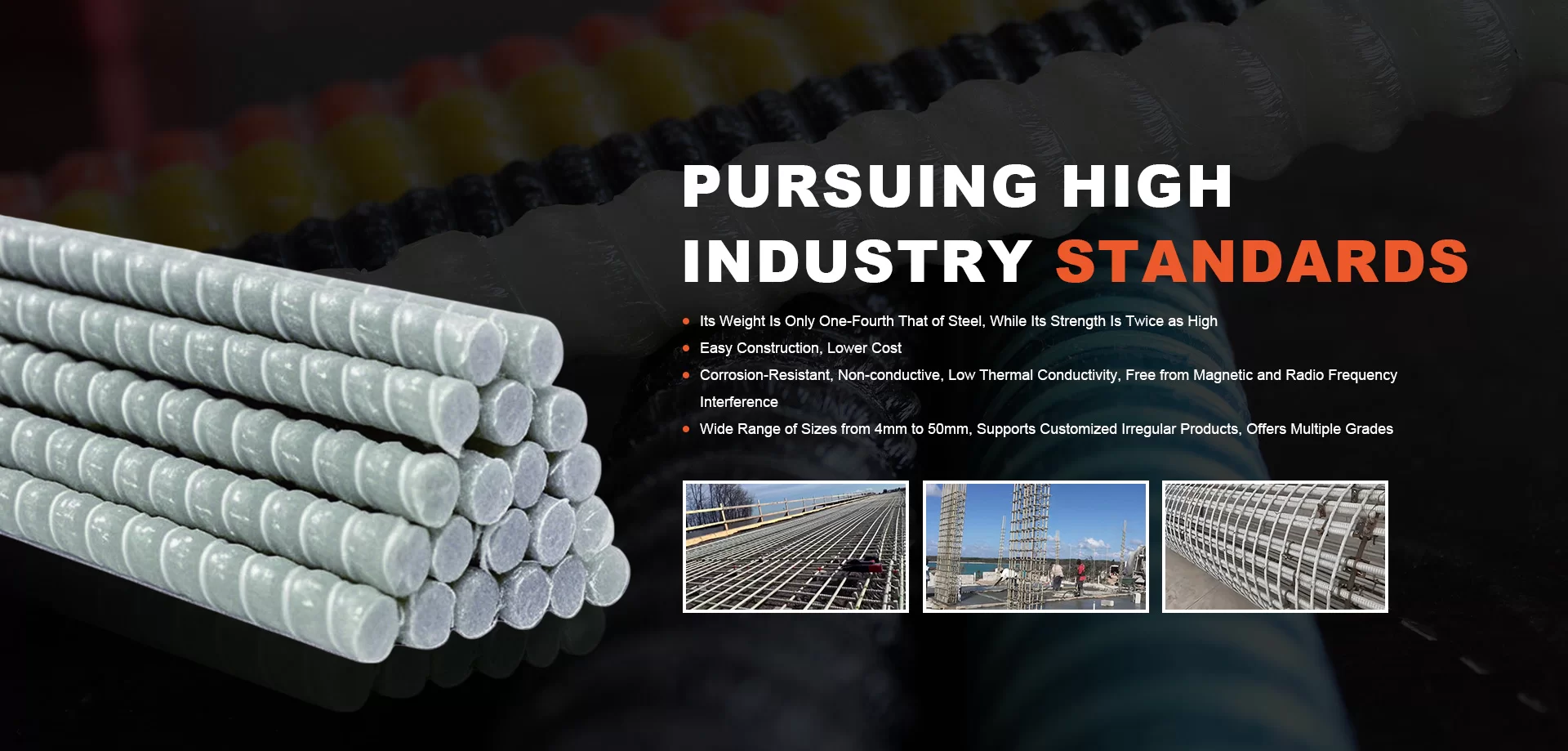
Composite materials provide the corrosion resistance, strength-to-weight ratio, and dielectric properties that rubber hose systems need from their structural surroundings. Unlike carbon steel or aluminum, FRP does not corrode, requires no cathodic protection, and maintains its mechanical properties in humid, acidic, or alkaline conditions—exactly the environments where rubber hoses are most frequently deployed.
Where FRP Complements Rubber Hose Installations
In a typical chemical transfer station, rubber hoses connect storage vessels to processing equipment, loading arms, or tank trucks. The hose itself is flexible and replaceable, but the surrounding catwalks, pipe supports, and containment structures must endure the same chemical splashes and spills. Specifying FRP gratings, handrails, and structural profiles for these areas eliminates rust staining, reduces replacement cycles, and improves worker safety. Additionally, FRP filament-wound pipes and fittings can serve as permanent rigid sections of the fluid network, working in series with rubber hoses where vibration or movement is minimal.
The compatibility does not end there. Many rubber hose assemblies require flanged connections, expansion joints, and transition fittings. FRP manufacturers now produce custom flanges and adapters that match standard hose-end configurations, enabling seamless integration. When engineers pair flexible rubber hose segments with rigid FRP piping, they create a hybrid system that capitalizes on the strengths of both materials: elasticity where needed, corrosion-proof rigidity everywhere else.
The Role of Safety Infrastructure in Hose-Dominated Environments
Worker protection is paramount in facilities where hazardous fluids are transferred through hose assemblies. Walkways, platforms, and guardrails must resist chemical degradation while providing reliable fall protection. This is where Fiberglass Guardrail Mesh offers a non-corrosive, non-conductive alternative to steel railing infill. Unlike welded wire mesh that rusts from the inside out after exposure to chemical vapors, fiberglass mesh maintains its structural integrity indefinitely in most industrial atmospheres. It also does not spark—an important safety consideration when rubber hoses transport flammable liquids or gases.
The same composite technology extends to FRP cable trays that support instrumentation and power cables running alongside hose bundles, as well as to FRP tank covers and containment dikes that prevent leaks from spreading. By specifying composite safety infrastructure, plant managers reduce long-term maintenance costs while improving the overall reliability of hose-fed processes.
Material Selection Considerations for Engineers
When designing a fluid transfer system that includes both rubber hoses and composite elements, engineers must evaluate several factors: chemical compatibility, temperature range, pressure rating, UV exposure, and mechanical loading. Rubber hose manufacturers provide detailed chemical resistance charts; FRP suppliers offer similar data for their resin systems—typically vinyl ester, polyester, or epoxy. Matching the resin chemistry to the fluid being handled ensures that both the hose and the composite structure deliver their expected service life.
Another consideration is thermal expansion. Rubber hoses expand and contract differently than FRP pipes or structural members. Proper engineering design accounts for these differences through expansion loops, flexible couplings, or sliding supports. When these details are addressed, the resulting hybrid system outperforms all-metal networks in corrosive environments while maintaining the flexibility advantages of rubber.
Future Outlook: Hybrid Material Systems Gain Traction
Across the process industries, there is growing recognition that no single material can optimally address every requirement of a fluid transfer network. Rubber brings flexibility, sealing, and vibration damping; FRP brings corrosion resistance, lightweight strength, and dielectric properties. The forward-looking engineer treats these materials as complementary rather than competing. As composite manufacturing continues to advance—with faster cure cycles, improved fire-retardant formulations, and greater design freedom—the cases where FRP can replace or support traditional steel infrastructure around rubber hose assemblies will only multiply.
For procurement and specification teams, building relationships with suppliers that offer both standard FRP components and custom fabrication capabilities streamlines project execution. By integrating composite structural elements—from guardrail mesh and grating to tanks and piping—alongside quality rubber hose assemblies, industrial facilities can achieve lower total cost of ownership, improved safety records, and greater operational uptime.
This article is provided for informational purposes and reflects general industry trends. Material selection should always be verified with qualified engineers and manufacturer data.