
Apr . 01, 2024 17:55 Back to list
yellow high pressure hydraulic hose Performance Analysis
Introduction
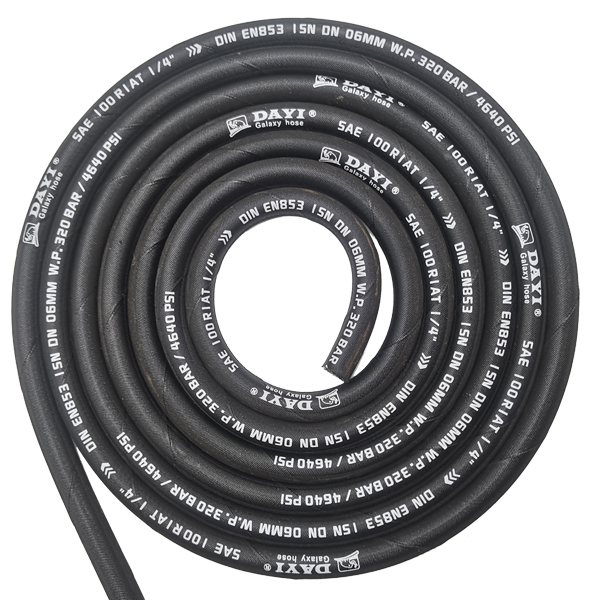
Yellow high-pressure hydraulic hose is a critical component in fluid power systems across a diverse range of industries, including construction, agriculture, manufacturing, and oil & gas. Positioned as a flexible conduit for transmitting hydraulic fluid to actuators and hydraulic motors, its primary function is to efficiently and safely transfer power. These hoses are engineered to withstand substantial pressures, often exceeding 4,000 PSI, and are constructed to maintain performance across a broad temperature range. Core performance characteristics encompass pressure rating, burst pressure, temperature resistance, flexibility, and resistance to abrasion and chemical attack. The industry faces ongoing challenges related to hose longevity, particularly regarding premature failure due to internal degradation, external damage, and improper installation. This guide provides an in-depth examination of the material science, manufacturing processes, performance considerations, failure modes, and relevant standards associated with yellow high-pressure hydraulic hose.
Material Science & Manufacturing
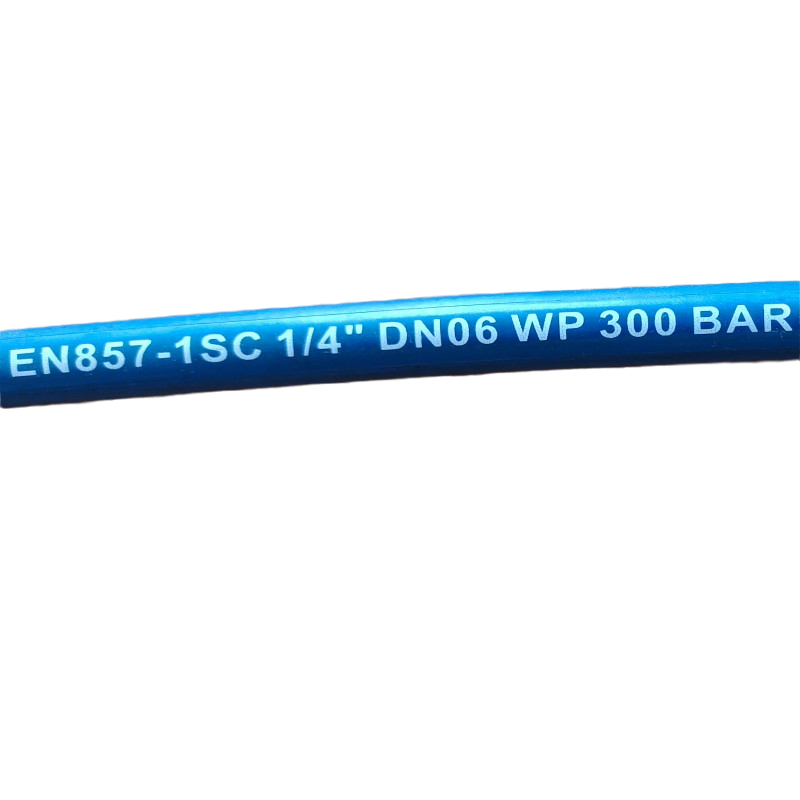
Yellow high-pressure hydraulic hose typically comprises several key layers, each contributing to its overall performance. The innermost layer, or tube, is commonly constructed from a synthetic rubber compound, often nitrile rubber (NBR) for oil-based hydraulic fluids or fluorocarbon rubber (FKM/Viton) for aggressive chemicals and high temperatures. NBR offers excellent abrasion resistance and cost-effectiveness, while FKM provides superior chemical resistance and temperature stability. The reinforcement layer is paramount for withstanding high pressures and preventing hose burst. This layer traditionally consists of multiple braids of high-strength steel wire. The number of braids dictates the pressure rating of the hose; more braids equate to a higher pressure capacity. Alternative reinforcement materials include spiral-wound steel wire and synthetic fiber braids (aramid or polyester) for applications requiring increased flexibility and reduced weight. The cover layer, which provides external protection against abrasion, weathering, and chemical exposure, is usually made of a synthetic rubber compound such as chloroprene rubber (CR) or ethylene propylene diene monomer (EPDM). The characteristic yellow color is often achieved through the addition of pigments to the cover compound, enhancing visibility for safety. Manufacturing involves several critical steps: extrusion of the inner tube, application of the reinforcement layers via braiding or winding, extrusion of the cover, and final curing. Precise control of temperature, pressure, and material ratios during extrusion and curing is essential to ensure consistent wall thickness, proper adhesion between layers, and optimal physical properties. Post-production testing includes hydrostatic pressure testing to verify burst strength and impulse testing to assess resistance to pressure fluctuations.
Performance & Engineering
The performance of yellow high-pressure hydraulic hose is heavily dictated by its ability to withstand internal pressure and external stresses. Force analysis reveals that the reinforcement layer bears the primary load when the hose is pressurized. The steel wire braids are subjected to tensile stress proportional to the internal pressure and the hose's internal diameter. Engineering calculations, governed by the thin-walled pressure vessel theory, determine the required braid density to achieve a specified burst pressure with an adequate safety factor (typically 4:1). Flexibility is another crucial performance parameter, influenced by the hose's bend radius and the type of reinforcement. Spiral-wound reinforcement generally offers greater flexibility than braided reinforcement. Environmental resistance is critical, particularly concerning temperature extremes and exposure to hydraulic fluids, oils, and chemicals. NBR tubes exhibit limited resistance to phosphate ester fluids, while FKM offers broad chemical compatibility. Hose covers must resist degradation from ozone, UV radiation, and abrasion. Compliance requirements vary by industry and region. For example, SAE J517 standards specify performance requirements for hydraulic hoses used in mobile machinery, including pressure rating, temperature range, and impulse testing. The hose must also meet relevant safety regulations, such as those pertaining to fluid containment and leak prevention. Proper installation is paramount to achieving optimal performance and longevity. Incorrect bending radii, excessive twisting, and improper fitting connections can lead to premature failure.
Technical Specifications
| Parameter | Unit | Typical Value (NBR Tube, 2-Braid Steel Wire) | Typical Value (FKM Tube, 4-Braid Steel Wire) |
|---|---|---|---|
| Working Pressure | PSI | 3,000 | 5,000 |
| Burst Pressure | PSI | 9,000 | 15,000 |
| Temperature Range | °F | -40 to +212 | -20 to +450 |
| Inner Diameter | inch | 0.5 – 1.0 | 0.25 – 0.75 |
| Outer Diameter | inch | 0.75 – 1.25 | 0.5 – 1.0 |
| Minimum Bend Radius | inch | 6 | 8 |
Failure Mode & Maintenance
Yellow high-pressure hydraulic hose is susceptible to a range of failure modes. Fatigue cracking is a common issue, particularly in hoses subjected to repeated pressure cycles and flexing. This occurs due to the gradual weakening of the reinforcement layer. Internal abrasion, caused by the flow of contaminated hydraulic fluid, can erode the inner tube, leading to leaks and eventual failure. External abrasion, resulting from contact with abrasive surfaces, damages the cover layer, exposing the reinforcement to corrosion. Chemical degradation can occur when the hose is exposed to incompatible fluids, causing the rubber compounds to swell, soften, and lose their elasticity. Oxidation, driven by exposure to oxygen and ozone, leads to cracking and hardening of the rubber. Improper installation, such as over-bending or twisting, introduces stress concentrations that accelerate fatigue failure. Regular inspection is crucial for preventative maintenance. Visual inspection should focus on detecting cracks, abrasions, bulges, and leaks. Hose should be replaced if any of these defects are observed. Fluid analysis can identify contamination levels and potential compatibility issues. Proper hose routing and protection from abrasion are essential. Using appropriate fittings and ensuring correct installation torque prevents leaks and premature failure. Storage conditions are also important; hoses should be stored in a cool, dry, and dark environment to minimize degradation.
Industry FAQ
Q: What is the impact of hydraulic fluid type on hose selection?
A: Hydraulic fluid compatibility is paramount. NBR tubes are generally suitable for petroleum-based fluids, but are not recommended for phosphate ester fluids. FKM tubes offer broad compatibility, including phosphate esters, but are more expensive. Using an incompatible fluid can lead to swelling, softening, and rapid degradation of the inner tube.
Q: How does temperature affect the performance and lifespan of a hydraulic hose?
A: Extreme temperatures can significantly impact hose performance. High temperatures accelerate rubber degradation and reduce pressure capacity. Low temperatures can cause rubber to stiffen and become brittle. Always select a hose rated for the operating temperature range of the application.
Q: What is the importance of the hose bend radius?
A: Exceeding the minimum bend radius introduces stress concentrations in the hose wall, accelerating fatigue failure. Proper bend radius ensures that the reinforcement layer is not overstressed during flexing.
Q: How can I prevent premature hose failure due to external damage?
A: Implement hose routing strategies to avoid contact with abrasive surfaces, sharp edges, and high-temperature components. Use hose guards or sleeves to provide additional protection. Regularly inspect hoses for signs of abrasion and replace them promptly if damage is detected.
Q: What are the key considerations when selecting a hose fitting?
A: The fitting must be compatible with the hose type and pressure rating. Ensure the fitting material is compatible with the hydraulic fluid. Proper installation torque is critical for creating a leak-proof seal. Use only certified fittings from reputable manufacturers.
Conclusion
Yellow high-pressure hydraulic hose represents a critical element within numerous industrial systems, demanding a comprehensive understanding of its material composition, manufacturing processes, and operational parameters. The selection and maintenance of these hoses require careful consideration of factors such as fluid compatibility, temperature range, pressure requirements, and potential exposure to environmental stresses. Failure to adequately address these aspects can lead to premature failure, system downtime, and potential safety hazards.
Moving forward, advancements in hydraulic hose technology are focused on developing materials with enhanced chemical resistance, temperature stability, and abrasion resistance. Furthermore, the integration of smart hose technologies, incorporating sensors for pressure monitoring and leak detection, promises to improve system reliability and predictive maintenance capabilities. A continued commitment to adherence to industry standards and best practices in installation and maintenance will be crucial for maximizing the lifespan and performance of yellow high-pressure hydraulic hose.