
Apr . 01, 2024 17:55 Back to list
wrapped surface hydraulic hose Performance Analysis
Introduction
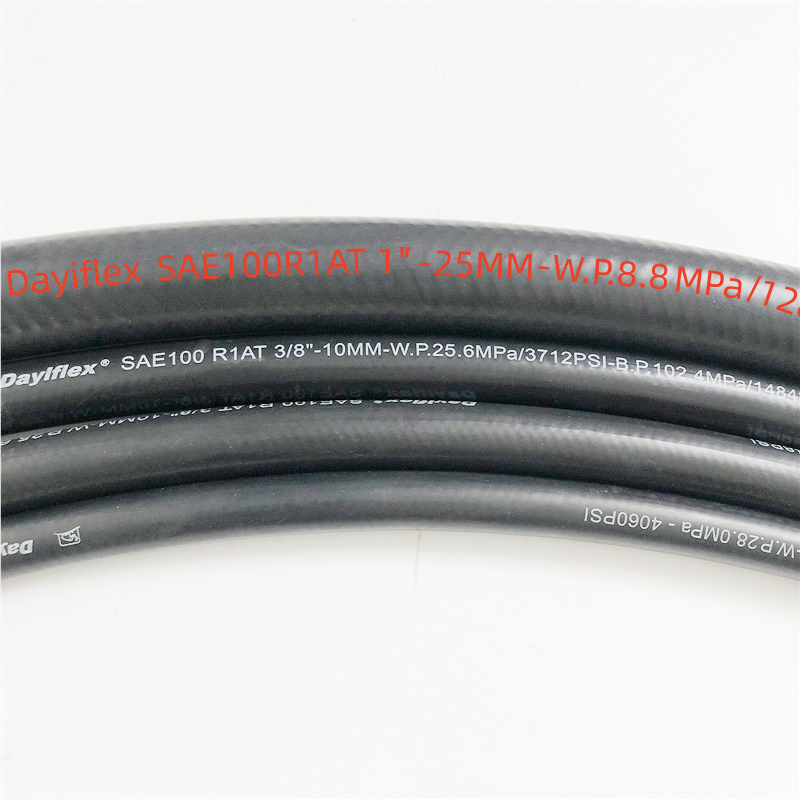
Wrapped surface hydraulic hose constitutes a critical component in fluid power systems across diverse industries, including construction, agriculture, manufacturing, and aerospace. These hoses are specifically engineered to convey hydraulic fluid under high pressure, enabling the transmission of power for machinery operation. The ‘wrapped’ construction refers to the reinforcement layers applied circumferentially around the inner tube, imparting superior burst strength and resistance to flexing compared to non-reinforced alternatives. Their technical position within the industry chain lies between the hydraulic pump/reservoir and the hydraulic actuators (cylinders, motors), dictating system efficiency and reliability. Core performance characteristics encompass pressure rating, temperature range, fluid compatibility, and resistance to abrasion and environmental degradation. A key industry pain point revolves around hose failure leading to downtime, safety hazards, and costly repairs. Therefore, understanding the nuances of material selection, manufacturing processes, and maintenance protocols is paramount for optimal performance and longevity.
Material Science & Manufacturing
The construction of a wrapped surface hydraulic hose involves several key materials, each contributing to specific performance attributes. The inner tube is typically composed of synthetic rubber compounds like nitrile (NBR), ethylene propylene diene monomer (EPDM), or fluorocarbon (FKM/Viton), selected based on fluid compatibility. NBR is cost-effective and suitable for petroleum-based fluids, while EPDM offers excellent resistance to heat, ozone, and weathering. FKM provides superior resistance to aggressive chemicals and high temperatures. Reinforcement layers traditionally consist of multiple plies of high-tensile steel wire, spirally wrapped at precise angles to withstand internal pressure. The outer cover, often a blend of synthetic rubbers like chloroprene (CR) or polyurethane (PU), provides abrasion resistance, UV protection, and resistance to environmental factors. The manufacturing process begins with the extrusion of the inner tube, followed by the application of reinforcement layers via automated winding machines. Precise tension control during wrapping is crucial for ensuring uniform stress distribution and preventing premature failure. Subsequent vulcanization (curing) processes chemically crosslink the rubber compounds, enhancing their strength, elasticity, and resistance to degradation. Quality control checks throughout the process, including dimensional inspections, pressure testing, and material analysis, are essential to meet industry standards. Parameter control of curing temperature, pressure, and time is critical; deviations can lead to under-cured or over-cured rubber, impacting hose performance. Proper adhesion between layers is also vital and is often promoted through the use of adhesives and surface treatments.
Performance & Engineering
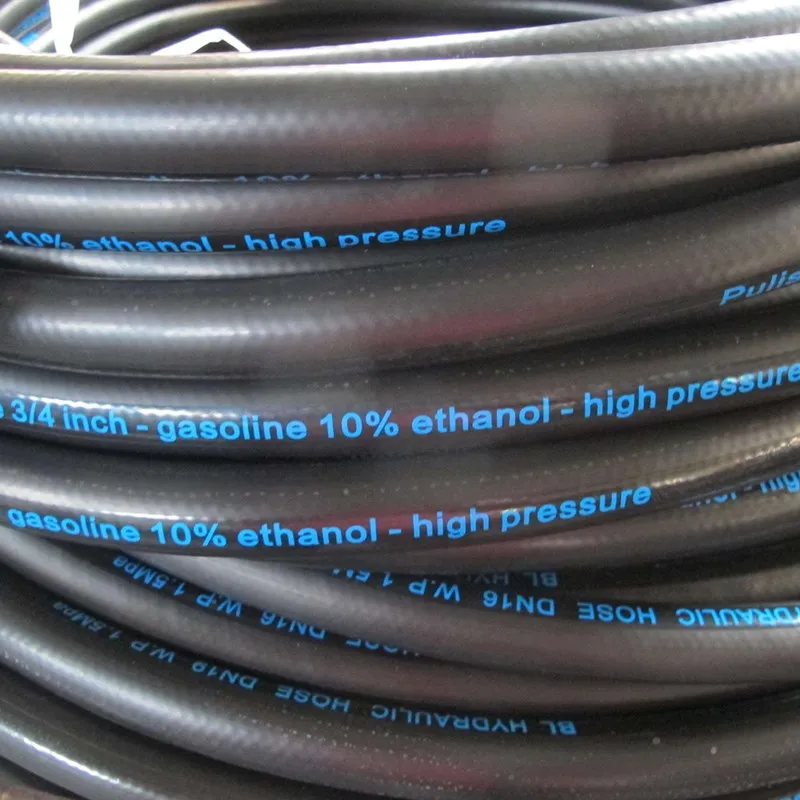
Performance of wrapped surface hydraulic hoses is governed by several engineering principles. Hose pressure rating is determined by the tensile strength of the reinforcement layers and the burst pressure testing performed during manufacturing. The reinforcement spiral angle significantly influences burst pressure and flex fatigue life. Steeper angles generally increase burst pressure but reduce flexibility. Finite Element Analysis (FEA) is often employed to optimize this angle for specific application requirements. Flex fatigue life, or resistance to failure under repeated bending, is a critical parameter, particularly in dynamic applications. This is affected by the radius of the bend, the frequency of bending, and the material properties of the hose. Environmental resistance encompasses factors like temperature extremes, exposure to UV radiation, and chemical exposure. Materials must be selected to withstand the anticipated operating environment. Compliance requirements, such as those stipulated by SAE (Society of Automotive Engineers) and EN (European Norms) standards, dictate minimum performance criteria for pressure rating, temperature range, and fluid compatibility. Hose end fittings are integral to performance, and proper crimping is essential to ensure a leak-free connection and prevent fitting blow-off. Force analysis considers internal pressure forces, bending moments, and axial tension/compression. Proper hose routing and support are necessary to minimize stress concentrations and prevent premature failure. The selection of appropriate hose fittings and the adherence to recommended bending radii are critical engineering considerations.
Technical Specifications
| Parameter | Unit | Specification Range (Typical) | Testing Standard |
|---|---|---|---|
| Working Pressure | MPa | 10 – 35 | SAE J517 / EN 857 |
| Burst Pressure | MPa | 30 – 105 | SAE J517 / EN 857 |
| Temperature Range | °C | -40 to +100 (NBR), -50 to +150 (EPDM), -20 to +200 (FKM) | SAE J517 / EN 857 |
| Inner Tube Material | - | NBR, EPDM, FKM | ASTM D2000 |
| Reinforcement Material | - | High-Tensile Steel Wire | ASTM A228 |
| Outer Cover Material | - | CR, PU | ASTM D2000 |
Failure Mode & Maintenance
Wrapped surface hydraulic hoses are susceptible to various failure modes. Fatigue cracking, initiated by repeated bending and flexing, is a common cause of failure, particularly near fittings. Delamination, or separation of the reinforcement layers, can occur due to inadequate adhesion or excessive stress. Abrasion and erosion, caused by external contact with abrasive surfaces, can wear through the outer cover, exposing the reinforcement layers to corrosion. Oxidation and degradation of the rubber compounds can occur due to exposure to heat, ozone, and UV radiation. Chemical attack from incompatible fluids can also lead to swelling, softening, and eventual failure of the inner tube. Fitting failures, such as blow-off or leakage, are often attributed to improper crimping or corrosion. Preventative maintenance is crucial. Regular visual inspections should be conducted to identify signs of abrasion, cracking, bulging, or leakage. Hose routing should be optimized to minimize bending stress and prevent contact with abrasive surfaces. Fluid compatibility should be verified before use. Hoses should be replaced according to manufacturer’s recommendations or when signs of damage are detected. Proper storage in a cool, dry, and dark environment is essential to prevent degradation. For internal cleaning, consult manufacturer specifications; improper cleaning methods can damage the inner tube. Crimping procedures need to be periodically verified to ensure consistent and reliable connections.
Industry FAQ
Q: What is the primary difference between single-wire spiral and multi-wire braid reinforcement in hydraulic hoses?
A: Single-wire spiral reinforcement offers higher pressure ratings and greater flexibility, making it suitable for demanding applications with tight bend radii. Multi-wire braid provides a more consistent pressure rating across the hose length and is generally less expensive. However, it is less flexible and more prone to kinking. The choice depends on the specific application requirements and the trade-off between pressure rating, flexibility, and cost.
Q: How does temperature affect the service life of a hydraulic hose?
A: Elevated temperatures accelerate the degradation of rubber compounds, reducing their elasticity and strength. Exposure to extreme temperatures (both high and low) can cause cracking and hardening. Operating a hose outside its specified temperature range significantly shortens its service life. Proper material selection based on the operating temperature is critical.
Q: What are the consequences of using an incompatible hydraulic fluid with a particular hose?
A: Incompatible fluids can cause the inner tube to swell, soften, or dissolve, leading to leakage and eventual failure. Chemical reactions between the fluid and the hose material can also generate corrosive byproducts that attack the reinforcement layers. Always verify fluid compatibility before use.
Q: What is the correct procedure for installing hose fittings?
A: Proper crimping is essential to ensure a leak-free connection and prevent fitting blow-off. The correct crimp size and type must be selected based on the hose and fitting specifications. Regular calibration of the crimping machine is crucial. Inspect the crimp for proper indentation and uniform compression.
Q: How can I identify potential hose failures before they occur?
A: Regular visual inspections are crucial. Look for signs of abrasion, cracking, bulging, leakage, or discoloration. Pay close attention to areas near fittings and bends. Conduct pressure testing periodically to verify hose integrity. Replace hoses at recommended intervals or when any signs of damage are detected.
Conclusion
Wrapped surface hydraulic hose technology represents a sophisticated blend of material science, engineering design, and manufacturing precision. Its performance is inextricably linked to the careful selection of materials – from the fluid-resistant inner tube to the high-strength reinforcement and protective outer cover – and adherence to stringent quality control measures throughout the production process. Understanding the potential failure modes, encompassing fatigue cracking, delamination, and chemical degradation, is critical for implementing effective preventative maintenance strategies and maximizing operational longevity.
The future of hydraulic hose design will likely focus on advancements in material science, such as the development of self-healing polymers and more durable rubber compounds. Increased emphasis will be placed on lightweight designs and improved flexibility to enhance system efficiency. Furthermore, the integration of sensor technology for real-time monitoring of hose condition will enable predictive maintenance and minimize unplanned downtime. Adhering to evolving industry standards and embracing innovative technologies will be vital for ensuring the continued reliability and performance of these essential components in hydraulic systems.