
Apr . 01, 2024 17:55 Back to list
wrapped cover steel wire braided hydraulic hose Performance Analysis
Introduction
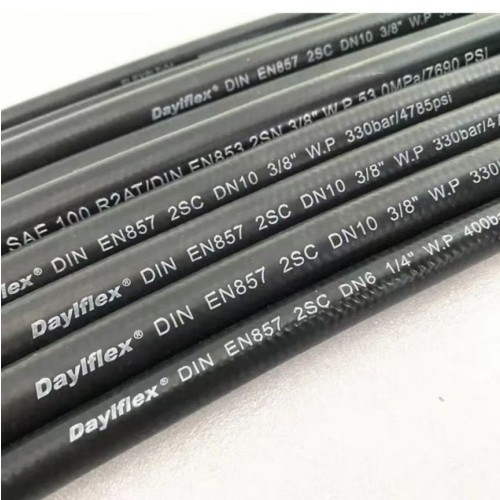
Wrapped cover steel wire braided hydraulic hose represents a critical component in fluid power systems across diverse industries including construction, agriculture, manufacturing, and automotive. These hoses are engineered to convey hydraulic fluid under high pressure and temperature, facilitating the transmission of power in machinery. The defining characteristic lies in its multi-layered construction: a flexible inner tube composed of synthetic rubber, multiple layers of high-tensile steel wire braid for reinforcement, and an outer cover providing environmental and abrasion resistance. The ‘wrapped cover’ designation indicates an additional layer of textile or plastic wrapping applied over the braid to enhance protection and flexibility. This configuration differentiates it from spiral-cut hoses and provides superior pressure handling capabilities, resistance to kinking, and extended service life. Core performance characteristics include burst pressure, working pressure, temperature range, and fluid compatibility – parameters critical to system reliability and safety. Failure in these hoses can lead to significant downtime, fluid leaks, and potential safety hazards, making thorough understanding of their design, material properties, and maintenance crucial for industrial professionals.
Material Science & Manufacturing
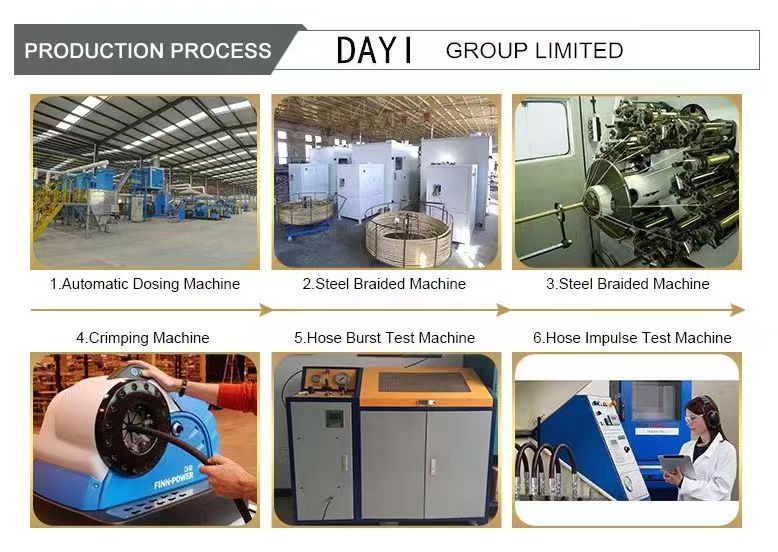
The core materials driving the performance of wrapped cover steel wire braided hydraulic hose are carefully selected for their specific properties. The inner tube is typically formulated from synthetic rubbers like nitrile (NBR), ethylene propylene diene monomer (EPDM), or chloroprene rubber (CR), chosen based on fluid compatibility – NBR excels with petroleum-based oils, EPDM with phosphate ester fluids, and CR with seawater and ozone exposure. NBR offers a temperature range of -40°C to 120°C, while EPDM extends to -50°C to 150°C. The steel wire used in the reinforcement braid is high-carbon steel, heat-treated to achieve optimal tensile strength (typically exceeding 2000 MPa) and ductility. The wire undergoes a galvanization or passivation process to enhance corrosion resistance. The outer cover material is often a blend of synthetic rubbers like polyurethane or polyester, selected for abrasion resistance, oil resistance, and weatherability. Manufacturing involves a layered process. The inner tube is extruded through a die to achieve consistent wall thickness. The steel wire braid is then applied mechanically, utilizing a braiding machine to interweave the wires around the tube. This braid layer is critical; the number of braids directly influences the hose’s pressure rating. Following braiding, the outer cover is extruded, encapsulating the braid. Parameter control during extrusion is paramount – temperature, pressure, and screw speed must be precisely managed to ensure consistent material distribution and adhesion between layers. Post-extrusion, hoses undergo quality control including hydrostatic testing to verify burst pressure and dimensional checks to confirm compliance with specifications. Curing processes are also critical, dictating rubber hardness and elasticity.
Performance & Engineering
The performance of wrapped cover steel wire braided hydraulic hose is fundamentally governed by principles of fluid mechanics and materials science. Force analysis dictates the hose’s ability to withstand internal pressure. Hoop stress, calculated using the thin-walled cylinder formula (σ = Pr/t, where P is pressure, r is radius, and t is wall thickness), reveals the tensile stress acting on the hose wall. The steel wire braid significantly mitigates this stress, providing the primary reinforcement. The number of braid layers and the wire’s tensile strength directly correlate with the hose’s burst pressure rating. Environmental resistance is a key consideration. Exposure to extreme temperatures can affect the rubber compounds, leading to hardening, cracking, or softening. UV exposure can degrade the outer cover, reducing its protective capabilities. Chemical compatibility is also critical; incompatible fluids can cause swelling, dissolution, or embrittlement of the inner tube. Compliance requirements, such as those outlined by SAE J517, dictate minimum performance standards for burst pressure, temperature range, and fluid compatibility. Functional implementation demands consideration of hose routing, bend radius (typically 4-6 times the hose ID to prevent kinking), and fitting selection. Improper fitting installation can create leak paths and reduce hose lifespan. Fatigue analysis is crucial for applications involving repetitive pressure cycling, as fatigue cracking can initiate at stress concentration points, such as near fittings or braid terminations.
Technical Specifications
| Parameter | Unit | SAE 100R4 Type | SAE 100R6 Type |
|---|---|---|---|
| Working Pressure | MPa | 31.5 | 21 |
| Burst Pressure | MPa | 105 | 63 |
| Temperature Range | °C | -40 to +100 | -40 to +60 |
| Inner Tube | Material | NBR | NBR |
| Reinforcement | Material | Multiple Steel Wire Braid | Single Steel Wire Braid |
| Outer Cover | Material | Polyurethane | Neoprene |
Failure Mode & Maintenance
Failure modes in wrapped cover steel wire braided hydraulic hose are varied and often interrelated. Fatigue cracking, stemming from repetitive pressure cycling and vibration, typically initiates in the steel wire braid at points of high stress concentration, such as at crimped fittings. Delamination, the separation of layers (inner tube, braid, or cover), can occur due to poor adhesion between materials or prolonged exposure to extreme temperatures. Degradation of the rubber compounds, caused by exposure to incompatible fluids, ozone, UV radiation, or extreme temperatures, leads to loss of flexibility and increased susceptibility to cracking. Oxidation, particularly in the outer cover, causes hardening and embrittlement. Pinholes in the inner tube, often resulting from manufacturing defects or abrasion from within the fluid stream, lead to leaks. Corrosion of the steel wire braid, especially in harsh environments, weakens the reinforcement and reduces burst pressure. Maintenance strategies include regular visual inspection for signs of wear, cracking, or swelling. Pressure testing should be performed periodically to verify hose integrity. Proper fluid filtration is critical to prevent abrasion damage to the inner tube. Hose routing should minimize bending stresses and avoid contact with sharp objects. Fitting connections should be inspected for leaks and proper crimping. When replacing hoses, ensure compatibility with the hydraulic fluid and operating conditions. Record keeping of inspection and replacement dates is crucial for preventative maintenance.
Industry FAQ
Q: What is the primary difference between 100R4 and 100R6 hoses and when would I choose one over the other?
A: 100R4 hoses offer higher working and burst pressures compared to 100R6 due to their multiple steel wire braid construction. Select 100R4 for applications demanding higher hydraulic system pressures, such as heavy machinery or high-force actuators. 100R6 is suitable for lower-pressure systems where flexibility and cost are primary concerns, like light-duty equipment and agricultural applications.
Q: How does the number of steel wire braids affect the hose's performance?
A: Increasing the number of steel wire braids directly increases the hose’s burst pressure rating and resistance to pressure fluctuations. Each additional braid layer provides more reinforcement, distributing stress more effectively across the hose wall. However, more braids also reduce hose flexibility and increase cost.
Q: What are the implications of using an incompatible hydraulic fluid with a specific hose construction?
A: Using an incompatible fluid can lead to severe degradation of the inner tube material. This can manifest as swelling, softening, cracking, or dissolution of the rubber, resulting in leaks and potentially catastrophic failure. Always verify fluid compatibility with the hose's material specifications before operation.
Q: How critical is proper hose assembly and fitting selection to overall hose lifespan?
A: Extremely critical. Improperly crimped fittings can create stress concentration points, leading to premature failure. Incorrectly sized fittings can create leak paths. Using fittings not designed for steel wire braided hoses can damage the braid during installation. Always utilize qualified technicians and appropriate crimping equipment.
Q: What preventative maintenance practices can extend the service life of hydraulic hoses?
A: Regular visual inspections for cracks, abrasions, and leaks are paramount. Implement a fluid filtration system to minimize internal abrasion. Route hoses to avoid sharp bends and contact with hot surfaces. Conduct periodic pressure testing. Maintain accurate records of hose installations and inspections.
Conclusion
Wrapped cover steel wire braided hydraulic hose represents a sophisticated engineering solution for fluid power transmission. Its multi-layered construction, employing carefully selected materials and precise manufacturing processes, delivers high-pressure capability, durability, and reliability. Understanding the underlying material science, performance characteristics, potential failure modes, and adherence to industry standards are crucial for optimal application and longevity.
Continued advancements in rubber technology and braiding techniques will likely lead to hoses with enhanced pressure ratings, improved chemical resistance, and extended service lives. Proactive maintenance programs and adherence to best practices in hose assembly and fluid management will remain essential to maximizing performance and minimizing downtime across diverse industrial applications.