
Apr . 01, 2024 17:55 Back to list
wrapped cover high pressure hydraulic hose Performance Analysis
Introduction
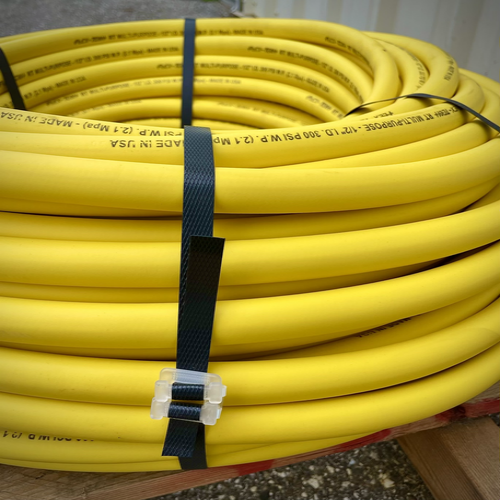
Wrapped cover high-pressure hydraulic hose is a critical component in fluid power systems, engineered to safely and efficiently transmit hydraulic fluid under high pressure and challenging environmental conditions. Positioned within the hydraulic system as the primary conduit for pressurized fluid, its integrity directly impacts system performance, reliability, and safety. These hoses consist of a flexible inner tube, reinforcement layers for pressure resistance, and a protective outer cover, typically composed of synthetic rubber or thermoplastic materials. Core performance characteristics include burst pressure, working pressure, temperature range, fluid compatibility, and resistance to abrasion and weathering. The industry faces challenges regarding hose longevity, failure prediction, and ensuring compatibility with increasingly complex hydraulic fluids, driving demand for advanced materials and manufacturing techniques. Properly specifying and maintaining these hoses is paramount to avoid costly downtime and potential safety hazards.
Material Science & Manufacturing
The construction of wrapped cover high-pressure hydraulic hose relies on a precise interplay of material properties and manufacturing processes. The inner tube is commonly made from nitrile rubber (NBR), ethylene propylene diene monomer (EPDM), or fluorocarbon elastomers (FKM/Viton), selected for their resistance to specific hydraulic fluids and temperature ranges. NBR offers good abrasion resistance and compatibility with petroleum-based fluids, EPDM excels in resistance to water, steam, and phosphate ester fluids, while FKM provides superior resistance to high temperatures and aggressive chemicals. Reinforcement layers typically consist of multiple plies of high-tensile steel wire, spirally wound or braided, to provide the necessary burst strength. The number and diameter of these wires are critical parameters determining the hose’s pressure rating. The outer cover, often a blend of synthetic rubbers like polyurethane or polyester, provides environmental protection against abrasion, ozone, UV radiation, and oil contamination.
Manufacturing involves several key stages: inner tube extrusion, reinforcement layer winding/braiding, and outer cover extrusion followed by curing. Precise control of extrusion parameters – temperature, pressure, and die geometry – is vital for consistent tube dimensions and material homogeneity. Wire winding tension and helix angle significantly influence burst pressure and flexibility. The curing process, typically utilizing vulcanization with sulfur or peroxide systems, crosslinks the rubber polymers, enhancing their mechanical properties and chemical resistance. Quality control measures include dimensional inspection, pressure testing (hydrostatic and impulse testing), and material analysis to ensure compliance with industry standards. The wrap angle and tension in the braided reinforcement layer are also closely monitored; deviations can cause premature failure under pressure cycling.
Performance & Engineering
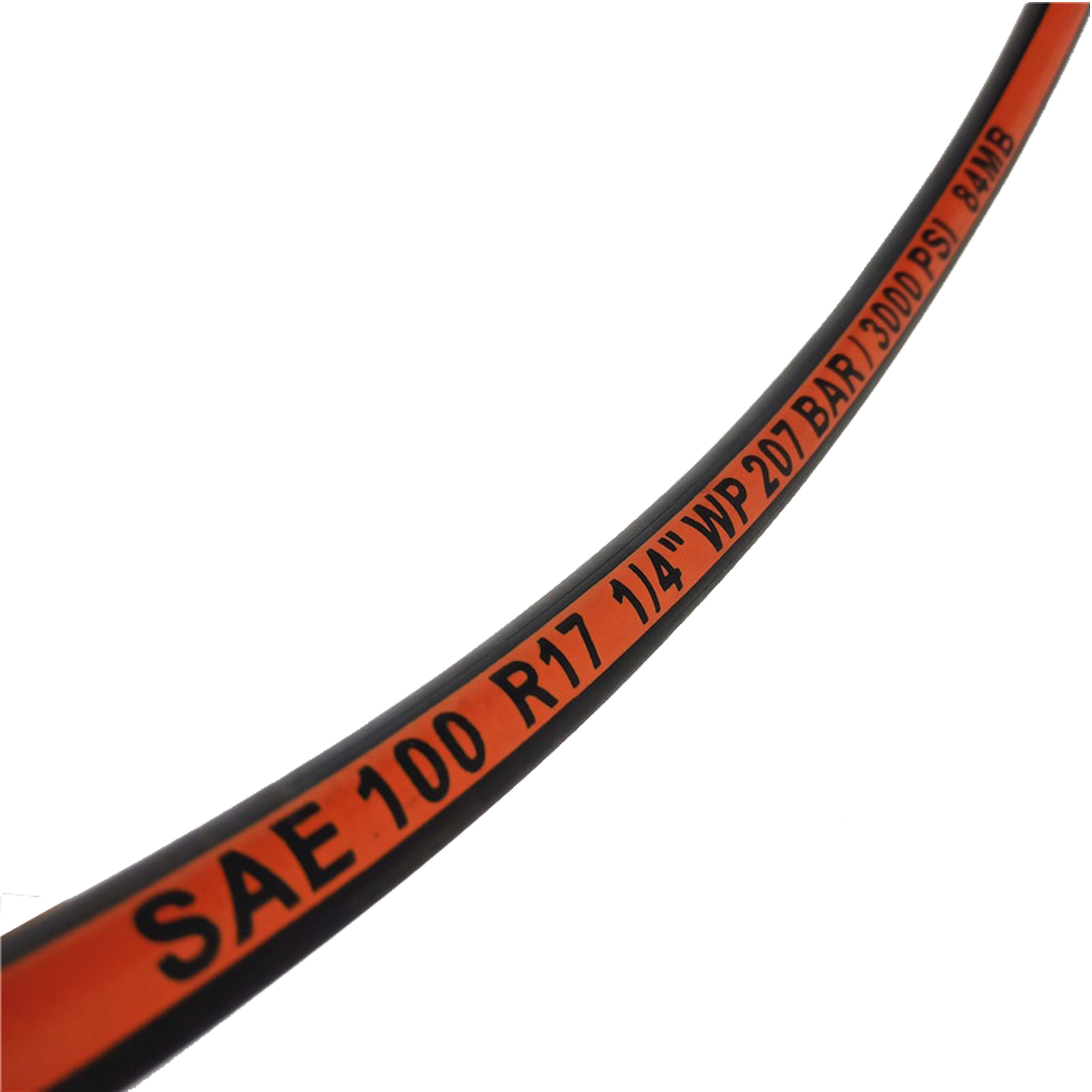
The performance of wrapped cover high-pressure hydraulic hose is dictated by a complex interplay of internal and external forces. Force analysis involves considering hydrostatic pressure, tensile stress from bending, and dynamic stresses induced by pressure pulsations and fluid hammer. The hose must withstand these stresses without exceeding its elastic limit or undergoing plastic deformation. Environmental resistance is equally critical; exposure to extreme temperatures, UV radiation, ozone, and corrosive fluids can degrade the rubber compounds, reducing their flexibility and strength. Compliance requirements, such as those outlined by SAE (Society of Automotive Engineers) and EN (European Norm) standards, dictate minimum burst pressure ratings, working pressure limits, and temperature operating ranges. These standards also specify testing procedures for fatigue resistance, impulse testing, and fluid compatibility.
Functional implementation considerations include hose bend radius, which affects stress concentration, and the need for appropriate fittings to ensure leak-free connections. Improperly installed fittings can create stress risers and lead to premature failure. Furthermore, the hose’s flexibility must be sufficient to accommodate system movements and vibrations without kinking or twisting. The selection of the appropriate hose construction—braided or spiral wound—depends on the application’s pressure requirements, flexibility needs, and operating environment. Finite element analysis (FEA) is often used to model hose behavior under various loading conditions and optimize the design for specific applications.
Technical Specifications
| Parameter | Unit | Typical Value (EN 853 1SN) | Typical Value (SAE 100R2AT) |
|---|---|---|---|
| Working Pressure | MPa | 20.5 | 16.8 |
| Burst Pressure | MPa | 82 | 67.2 |
| Temperature Range | °C | -40 to +100 | -40 to +100 |
| Inner Tube Material | - | NBR | NBR |
| Reinforcement | - | 1SP (Single Steel Wire Braid) | 2AT (Two Steel Wire Braid) |
| Outer Cover Material | - | Synthetic Rubber | Synthetic Rubber |
Failure Mode & Maintenance
Wrapped cover high-pressure hydraulic hose is susceptible to several failure modes. Fatigue cracking, initiated by repeated pressure cycling and bending, is a common cause of failure, particularly near fittings. Delamination of reinforcement layers can occur due to inadequate bonding between layers or exposure to corrosive fluids. Rubber degradation, caused by ozone attack, UV exposure, or chemical incompatibility, leads to loss of flexibility and cracking. Oxidation of the rubber compounds results in hardening and embrittlement, reducing the hose’s ability to withstand pressure. Pinholes or cracks in the outer cover allow contaminants to enter the system, causing internal damage. Fitting failures, often due to improper installation or corrosion, are also a frequent occurrence.
Preventative maintenance is crucial to maximize hose lifespan and ensure system reliability. Regular visual inspections should be conducted to identify signs of wear, cracking, or abrasion. Hose connections should be checked for leaks and proper torque. Fluid contamination should be minimized through the use of filters and regular fluid changes. Hose routing should be optimized to avoid sharp bends and excessive stress. When replacing hoses, it’s critical to select the correct specification based on the application’s pressure, temperature, and fluid compatibility requirements. Damaged hoses should be removed from service immediately and replaced with new ones. Proper storage of hoses, away from direct sunlight and extreme temperatures, is also essential to prevent premature degradation. Following manufacturer’s recommendations for service life and replacement intervals is paramount.
Industry FAQ
Q: What is the primary difference between a braided hose and a spiral-wound hose, and when should each be used?
A: Braided hoses, constructed with multiple layers of spirally wound steel wire, offer excellent bend radius and are suitable for applications with frequent movement or tight spaces. Spiral-wound hoses utilize a single, continuously wound steel wire, providing higher pressure ratings and superior kink resistance. Spiral hoses are ideal for applications requiring high flow rates and minimal pressure drop, such as heavy equipment and mining operations. The choice depends heavily on the application’s pressure, flexibility, and space constraints.
Q: How does fluid compatibility affect hose lifespan, and what precautions should be taken?
A: Incompatible fluids can cause the inner tube to swell, degrade, or crack, leading to premature failure. It's crucial to select a hose with an inner tube material that is chemically compatible with the hydraulic fluid being used. Refer to fluid compatibility charts provided by hose manufacturers and always verify compatibility before installation. Regular fluid analysis can identify contaminants or changes in fluid composition that may compromise hose integrity.
Q: What are the consequences of exceeding the hose’s working pressure, and how can this be prevented?
A: Exceeding the working pressure significantly reduces the hose’s lifespan and increases the risk of catastrophic failure, potentially causing injury or damage. Ensure the hose’s pressure rating is adequate for the system’s maximum operating pressure, including any pressure spikes. Install pressure relief valves to prevent over-pressurization. Regularly inspect and maintain the hydraulic system to ensure proper pressure control.
Q: What is the role of the outer cover in hose performance, and what types of cover materials are available?
A: The outer cover provides protection against abrasion, ozone, UV radiation, oil contamination, and other environmental factors. Common cover materials include synthetic rubbers like polyurethane and polyester. Polyurethane offers excellent abrasion resistance, while polyester provides superior oil resistance. Selecting the appropriate cover material depends on the operating environment and potential exposure to contaminants.
Q: How often should hydraulic hoses be inspected and replaced as part of a preventative maintenance program?
A: Regular inspections, at least quarterly or more frequently in harsh environments, are crucial. Inspect hoses for signs of wear, cracking, abrasion, leaks, and damage. Replacement intervals vary depending on operating conditions and hose usage, but a general guideline is to replace hoses every 5-7 years, or sooner if any signs of degradation are observed. Maintain detailed records of hose installations and replacements to track performance and identify potential issues.
Conclusion
Wrapped cover high-pressure hydraulic hose is a fundamental component in countless industrial applications, demanding careful selection, installation, and maintenance. Understanding the interplay between material science, manufacturing processes, and performance characteristics is crucial for ensuring system reliability and safety. Adhering to industry standards and best practices, including regular inspections and preventative maintenance, significantly extends hose lifespan and minimizes the risk of costly failures.
The future of hydraulic hose technology lies in the development of advanced materials with enhanced durability, chemical resistance, and temperature stability. Furthermore, incorporating sensor technology into hoses will enable real-time monitoring of pressure, temperature, and structural integrity, facilitating predictive maintenance and preventing catastrophic failures. Continued innovation in hose design and manufacturing will be essential to meet the evolving demands of increasingly complex hydraulic systems.