
Apr . 01, 2024 17:55 Back to list
two wire braided hydraulic hose suppliers Performance Analysis
Introduction
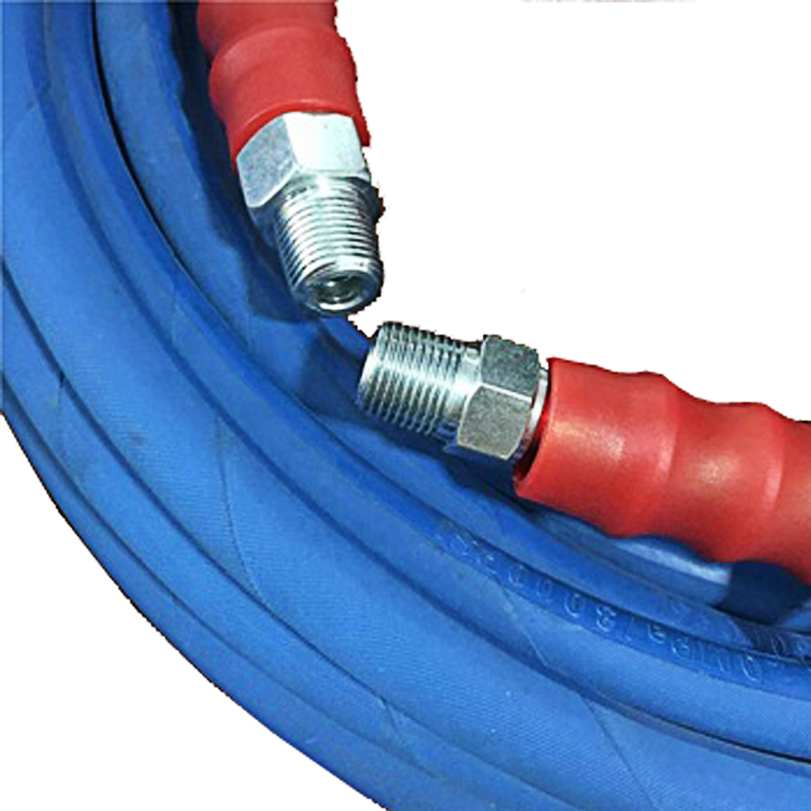
Two-wire braided hydraulic hose represents a critical component in fluid power systems, serving as a flexible conduit for the transmission of hydraulic fluid under significant pressure. Its technical position within the industrial chain resides between the hydraulic pump/reservoir and the actuating cylinders or motors. Unlike rubber hoses or those with spiral reinforcement, the two-wire braid construction – typically high-tensile steel wire – imparts superior pressure resistance, durability, and resistance to kinking. Core performance characteristics include burst pressure, working pressure, impulse pressure ratings, temperature range compatibility, and fluid resistance. Understanding these parameters is vital for ensuring system safety and operational efficiency. The selection of appropriate hose, fittings, and assembly methods directly impacts system reliability and minimizes downtime, representing a key consideration for procurement managers and engineering teams in industries like construction, agriculture, manufacturing, and aerospace. This guide provides an in-depth technical overview of two-wire braided hydraulic hose, covering material science, manufacturing processes, performance characteristics, potential failure modes, and relevant industry standards. The target audience includes engineers, procurement specialists, maintenance personnel, and quality control professionals.
Material Science & Manufacturing
The construction of a two-wire braided hydraulic hose relies on a synergistic combination of materials and processes. The inner tube, typically made of synthetic rubber compounds like nitrile (NBR), ethylene propylene diene monomer (EPDM), or fluorocarbon (FKM - Viton), provides fluid compatibility. NBR is commonly used for petroleum-based fluids, EPDM excels with phosphate ester fluids, and FKM offers superior resistance to aggressive chemicals and high temperatures. The reinforcement layer consists of two braids of high-tensile steel wire, conforming to specifications like SAE J517. The wire is pre-formed into a specific braid angle (typically 30-37 degrees) to optimize pressure containment and flexibility. An exterior cover, often composed of chloroprene (CR) or polyurethane (PU), provides abrasion, ozone, and weathering resistance.
Manufacturing begins with the extrusion of the inner tube, followed by the application of adhesive to promote bonding between the tube and the first wire braid. The first braid is then wound onto the tube using a high-speed braiding machine. Another layer of adhesive is applied, and the second wire braid is wound in the opposite direction to the first, creating an interlocking structure. This double-braid configuration significantly enhances burst strength. Following braiding, the hose undergoes vulcanization – a curing process involving heat and pressure – to crosslink the rubber compounds, improving their mechanical properties and chemical resistance. Finally, the outer cover is extruded, and the hose is subjected to quality control inspections, including pressure testing and dimensional checks. Critical parameters controlled during manufacturing include braid density (wires per inch), wire tensile strength, adhesive bonding strength, and vulcanization temperature and duration. Improper control of these parameters can lead to premature failure. Further, skiving of the cover at the hose ends is essential for proper fitting installation, ensuring a secure mechanical interlock.
Performance & Engineering
The performance of a two-wire braided hydraulic hose is dictated by several key engineering principles. Burst pressure, defined as the maximum pressure the hose can withstand before rupture, is a primary design consideration. Working pressure is significantly lower, typically 50-75% of burst pressure, and represents the maximum allowable operating pressure. Impulse pressure, resulting from pressure pulsations in the hydraulic system, introduces cyclic stresses that can lead to fatigue failure. The wire braid’s elasticity and the hose’s damping characteristics mitigate impulse effects.
Force analysis focuses on hoop stress (circumferential stress in the hose wall due to internal pressure) and longitudinal stress (stress along the hose length). The wire braid effectively resists hoop stress, preventing expansion and maintaining dimensional stability. Environmental resistance is crucial; temperature extremes, exposure to UV radiation, and contact with corrosive fluids can degrade the rubber compounds and reduce hose life. Selecting materials compatible with the operating environment is paramount. Compliance requirements, such as those stipulated by SAE, EN, and ISO standards, mandate specific performance criteria and testing procedures. For instance, SAE J517 specifies pressure ratings, temperature ranges, and fluid compatibility requirements for hydraulic hoses. Further engineering considerations involve bend radius (minimum allowable bend without kinking or damaging the reinforcement), hose length (affecting pressure drop and flexibility), and fitting selection (ensuring a secure and leak-free connection). Incorrectly sized or installed fittings can compromise hose integrity.
Technical Specifications
| Parameter | SAE J517 R1AT | SAE J517 R2AT | EN 853 2SN |
|---|---|---|---|
| Maximum Working Pressure (PSI) | 1000 | 2000 | 210 bar (3045 PSI) |
| Burst Pressure (PSI) | 3000 | 6000 | 630 bar (9135 PSI) |
| Temperature Range (°F) | -40 to +212 | -40 to +212 | -40 to +100 |
| Inner Tube Material | NBR | NBR | NBR |
| Reinforcement | Two Steel Wire Braids | Two Steel Wire Braids | Two Steel Wire Braids |
| Cover Material | CR | CR | CR |
Failure Mode & Maintenance
Two-wire braided hydraulic hoses are susceptible to several failure modes. Fatigue cracking, caused by repeated pressure cycling and bending, is a common issue. The steel wire braid can experience stress concentrations at points of flexing, leading to crack initiation and propagation. Corrosion, particularly in environments with exposure to salt water or corrosive chemicals, can weaken the wire braid and rubber compounds. Abrasion, resulting from contact with abrasive surfaces, can wear through the outer cover, exposing the reinforcement layer to corrosion and damage. Pinholes in the inner tube, caused by internal erosion or chemical attack, can lead to fluid leakage. Kinking, resulting from excessive bending or improper routing, can damage the reinforcement and restrict fluid flow.
Preventative maintenance is critical for extending hose life. Regular visual inspections should be conducted to identify signs of wear, abrasion, cracking, or leakage. Hoses should be properly supported to prevent excessive bending and vibration. Fluid contamination can accelerate hose degradation; therefore, maintaining clean hydraulic fluid is essential. When replacing hoses, it's crucial to use fittings specifically designed for two-wire braided hose and to follow proper assembly procedures. Torque specifications for fitting tightening must be adhered to, as over-tightening can damage the hose end and under-tightening can lead to leakage. Hoses should be replaced at recommended intervals or whenever signs of damage are detected. Implementing a hose management program, including tracking hose age, usage, and maintenance history, can optimize hose performance and minimize downtime. A documented hose replacement schedule will help optimize maintenance efforts.
Industry FAQ
Q: What are the key differences between R1AT and R2AT hoses, and when would I choose one over the other?
A: The primary difference lies in the working and burst pressures. R2AT hoses offer significantly higher pressure ratings (typically 2000 PSI working vs. 1000 PSI for R1AT). R2AT is selected for applications requiring higher system pressures, such as heavy-duty construction equipment or industrial machinery. R1AT is suitable for lower-pressure systems where cost is a primary consideration. The R2AT hose also typically has a tighter bend radius, allowing it to navigate complex routing scenarios.
Q: How does temperature affect the performance and lifespan of a two-wire braided hose?
A: Extreme temperatures, both high and low, can degrade the rubber compounds. High temperatures accelerate oxidation and hardening of the rubber, reducing flexibility and increasing the risk of cracking. Low temperatures can cause the rubber to become brittle and susceptible to cracking upon bending. It’s crucial to select a hose with a temperature range compatible with the operating environment and to avoid exceeding the specified temperature limits.
Q: What is the impact of improper fitting installation on hose reliability?
A: Improper fitting installation is a major cause of hose failure. Over-tightening can crush the hose end, damaging the reinforcement and creating a leak path. Under-tightening can allow the fitting to loosen under pressure, leading to leakage. Using incorrect fitting types or failing to properly skive the hose cover can also compromise the seal. Always use fittings specifically designed for two-wire braided hose and follow the manufacturer's torque specifications.
Q: How can I mitigate the risk of fatigue failure in hydraulic hoses?
A: Minimizing pressure pulsations, providing adequate hose support to prevent excessive bending, and selecting hoses with appropriate impulse pressure ratings are key strategies. Using hose guards to protect against abrasion and routing hoses away from heat sources can also extend their lifespan. Regular inspections to identify early signs of cracking or wear are also essential. Proper hose routing and avoiding sharp bends can significantly reduce stress concentration.
Q: What are the benefits of using a hose management program?
A: A hose management program provides a structured approach to tracking hose age, usage, and maintenance history. This allows for proactive hose replacement, reducing the risk of unexpected failures and downtime. It also enables optimization of hose inventory, reduces maintenance costs, and improves overall system reliability. Detailed records also aid in identifying common failure points and improving hose selection for future applications.
Conclusion
Two-wire braided hydraulic hose remains a cornerstone of fluid power systems, providing a robust and reliable solution for transmitting hydraulic energy. Its performance is intrinsically linked to the careful selection of materials, precise manufacturing processes, and adherence to industry standards. Understanding the nuances of material compatibility, pressure ratings, and potential failure modes is essential for engineers and procurement professionals tasked with ensuring system safety and operational efficiency.
Continued advancements in rubber compound technology and reinforcement materials promise to further enhance the performance and longevity of these critical components. Implementing robust hose management programs, prioritizing preventative maintenance, and embracing best practices in installation and operation will remain vital for maximizing the return on investment and minimizing the risk of costly downtime in hydraulic systems. The evolution of hose design will likely focus on increased flexibility, reduced weight, and improved resistance to harsh operating environments.