
Apr . 01, 2024 17:55 Back to list
two wire braided hydraulic hose manufacturers Performance Analysis
Introduction
Two-wire braided hydraulic hose constitutes a critical component in fluid power systems across diverse industries, including construction, agriculture, manufacturing, and automotive. These hoses are engineered to reliably transmit hydraulic fluid under high pressure, facilitating the operation of machinery and equipment. Unlike thermoplastic hoses or those with simpler constructions, two-wire braid reinforcement provides a substantial increase in pressure handling capability and burst strength. This guide provides a comprehensive technical overview of two-wire braided hydraulic hose, covering material science, manufacturing processes, performance characteristics, failure modes, and relevant industry standards. A core industry pain point lies in maintaining consistent quality control during the braiding process and ensuring compatibility of all hose components with a wide range of hydraulic fluids. Improper selection or manufacturing can lead to premature failure, resulting in costly downtime and potential safety hazards. This guide aims to address these concerns with detailed technical information.
Material Science & Manufacturing
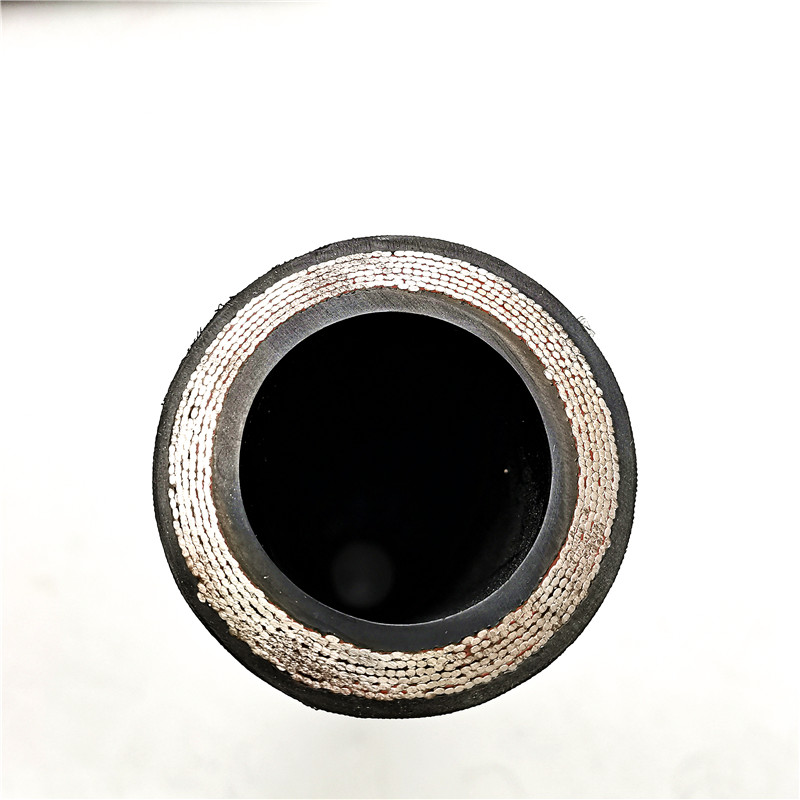
The construction of a two-wire braided hydraulic hose typically involves four key layers: the inner tube, the reinforcement braid(s), the intermediate layer, and the outer cover. The inner tube is commonly composed of synthetic rubbers such as nitrile (NBR), also known as Buna-N, for oil resistance; ethylene propylene diene monomer (EPDM) for water and phosphate ester fluid compatibility; or fluoroelastomers (FKM/Viton) for high-temperature and aggressive chemical resistance. These materials are chosen based on the anticipated hydraulic fluid and operating temperature range. NBR boasts excellent resistance to petroleum-based fluids but limited resistance to ozone and weathering. EPDM offers superior weatherability but lower oil resistance. FKM provides broad chemical compatibility but is more expensive. The reinforcement layer consists of two braids of high-tensile steel wire. The wire is typically carbon steel, and the braid angle is crucial, generally ranging from 30 to 55 degrees, influencing the hose’s flexibility and pressure capacity. A tighter braid angle increases pressure capability but reduces flexibility. The intermediate layer, often a rubber compound, bonds the braid to the inner tube and outer cover. This layer provides adhesion and helps prevent separation. The outer cover is typically a synthetic rubber, often similar to the inner tube material but selected for abrasion, weathering, and chemical resistance. Manufacturing involves extrusion of the inner tube and outer cover, followed by precise winding of the steel wire braids around a mandrel. Vulcanization, a process involving heat and pressure, cures the rubber compounds, bonding the layers together. Precise control of temperature, pressure, and cure time is critical to achieving optimal hose properties. Braiding tension must be monitored constantly to ensure uniform reinforcement distribution and prevent wire breakage.

Performance & Engineering
The performance of a two-wire braided hydraulic hose is governed by several key engineering principles. Pressure rating, typically expressed in PSI or bar, is determined by the wire braid's strength, the inner tube's wall thickness, and the overall hose diameter. Burst pressure is a critical safety parameter, typically four times the working pressure. Hose flexibility, determined by the braid angle and hose diameter, affects its ability to navigate tight bends and prevent kinking. Fatigue resistance is paramount, as hoses are subjected to cyclical pressure and bending stresses. Finite Element Analysis (FEA) is routinely employed to model stress distribution within the hose structure under various loading conditions. Environmental resistance considerations include exposure to temperature extremes, UV radiation, ozone, and hydraulic fluids. The hose must maintain its mechanical properties and prevent degradation over its intended service life. Compliance requirements dictate adherence to industry standards such as SAE J517, DIN EN 853, and ISO 6897, which specify testing procedures and performance criteria. A common failure analysis involves assessing the hose's resistance to impulse (pressure spikes) and vibration, which can accelerate fatigue failure. The selection of appropriate end fittings is also crucial; fittings must be compatible with the hose material and provide a secure, leak-free connection. Improperly crimped fittings can lead to premature failure at the connection point.
Technical Specifications
| Parameter | Unit | Typical Value (1" ID Hose) | Test Standard |
|---|---|---|---|
| Working Pressure | PSI | 3000 | SAE J517 |
| Burst Pressure | PSI | 12000 | SAE J517 |
| Inner Tube Material | - | NBR (Buna-N) | ASTM D2000 |
| Reinforcement | - | Two Steel Wire Braids | SAE J517 |
| Outer Cover Material | - | Synthetic Rubber (EPDM) | ASTM D2000 |
| Minimum Bend Radius | Inches | 8 | Manufacturer Specification |
Failure Mode & Maintenance
Two-wire braided hydraulic hoses are susceptible to several failure modes. Fatigue cracking, often initiated at points of high stress concentration (e.g., near fittings or due to kinking), is a common cause of failure, particularly in applications with cyclical pressure and bending. Wire breakage within the braid can reduce the hose's pressure capacity and lead to catastrophic failure. Inner tube degradation due to chemical incompatibility with the hydraulic fluid can cause swelling, softening, and eventual rupture. External abrasion can damage the outer cover, exposing the reinforcement braid to corrosion and accelerating failure. Fitting failures, such as corrosion or improper crimping, can result in leaks and hose separation. Oxidation of the rubber compounds, especially at elevated temperatures, can lead to hardening and cracking. Maintenance procedures should include regular visual inspections for signs of damage, such as cracks, abrasions, or leaks. Hoses should be replaced if any damage is detected. Proper routing and support of hoses are essential to prevent kinking and abrasion. Hydraulic fluid should be regularly analyzed to ensure compatibility with the hose materials. Fittings should be inspected for corrosion and tightness. The hose should be stored in a cool, dry place away from direct sunlight and ozone sources when not in use. Regular pressure testing, although not always practical, can identify potential weaknesses before a catastrophic failure occurs.
Industry FAQ
Q: What is the impact of hydraulic fluid type on hose lifespan?
A: The compatibility between the hydraulic fluid and the inner tube material is critical. Incompatible fluids can cause the inner tube to swell, soften, or degrade, leading to premature failure. For example, using petroleum-based fluids with an EPDM inner tube will result in rapid deterioration. Always consult a fluid compatibility chart and select a hose with an inner tube specifically designed for the intended fluid.
Q: How does temperature affect the performance of a two-wire braided hose?
A: Elevated temperatures can accelerate the degradation of rubber compounds, reducing their elasticity and strength. Excessive heat can also cause the hydraulic fluid to thin, increasing the risk of leaks. Conversely, low temperatures can make the rubber brittle and prone to cracking. The hose's operating temperature range must be carefully considered when selecting a hose for a specific application.
Q: What is the proper procedure for crimping hose fittings?
A: Proper crimping is essential for creating a leak-free connection. The correct die size and crimping pressure must be used, based on the hose and fitting manufacturer's recommendations. Over-crimping can damage the hose reinforcement, while under-crimping can lead to leaks. The crimping machine should be regularly calibrated to ensure accurate pressure delivery.
Q: What are the common causes of hose kinking and how can it be prevented?
A: Kinking occurs when the hose is bent beyond its minimum bend radius, causing internal damage and restricting fluid flow. Factors contributing to kinking include tight routing, insufficient support, and excessive pressure. To prevent kinking, ensure adequate hose routing with sufficient clearance, use hose supports to prevent sagging, and avoid sharp bends.
Q: How do I determine the appropriate hose size for my application?
A: Hose size selection should be based on the required flow rate, operating pressure, and fluid velocity. Undersized hoses can lead to excessive pressure drop and heat generation, while oversized hoses can be cumbersome and expensive. Consult hose sizing charts and consider the fluid's viscosity and temperature when making your selection.
Conclusion
Two-wire braided hydraulic hose represents a robust and reliable solution for fluid power transmission, providing superior pressure handling and durability compared to simpler hose constructions. Understanding the material science, manufacturing processes, and performance characteristics of these hoses is crucial for ensuring optimal performance and preventing premature failure. Careful consideration must be given to fluid compatibility, operating temperature, and environmental conditions.
Ongoing advancements in materials and manufacturing techniques continue to improve the performance and lifespan of two-wire braided hoses. Future developments may focus on lighter-weight materials, improved abrasion resistance, and enhanced monitoring capabilities to predict and prevent failures. Proactive maintenance, adherence to industry standards, and proper hose selection remain paramount to maximizing the reliability and safety of hydraulic systems.