
Apr . 01, 2024 17:55 Back to list
two wire braided hydraulic hose factory Performance Analysis
Introduction
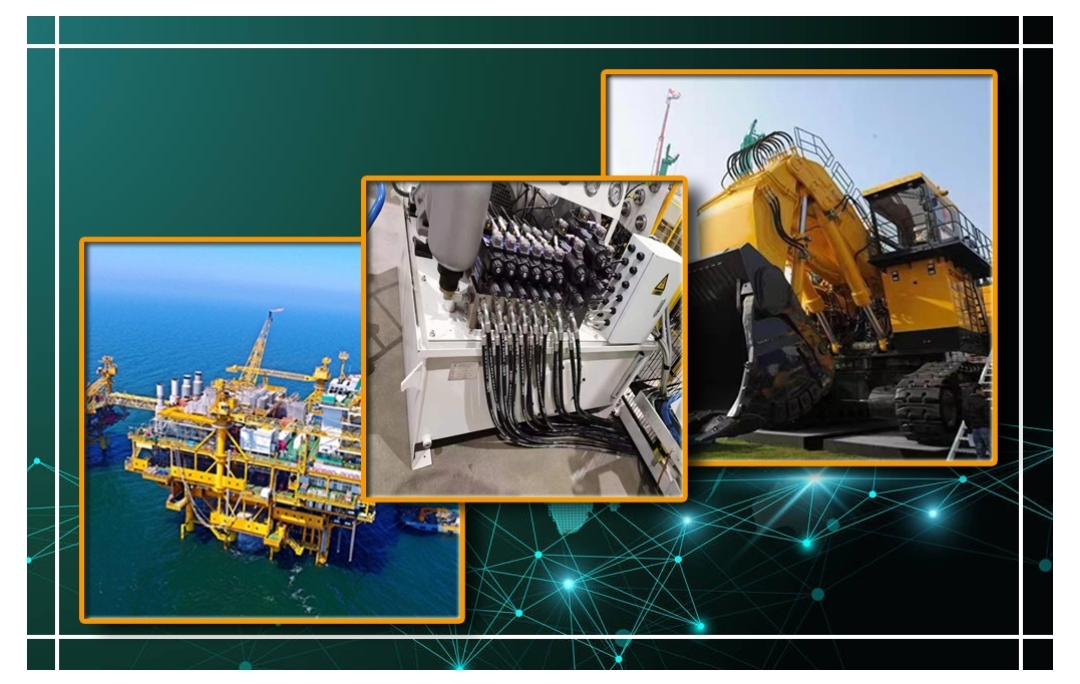
Two-wire braided hydraulic hose represents a critical component within fluid power systems, facilitating the transmission of hydraulic fluid to actuate machinery across diverse industrial sectors. Positioned between the hydraulic fluid source (pump) and the hydraulic actuator (cylinder, motor), its primary function is to reliably deliver pressurized fluid while maintaining system integrity and safety. Unlike non-reinforced hose, or those with single-wire braiding, the two-wire braid configuration significantly enhances pressure capacity, flexibility, and resistance to kinking. These hoses are commonly utilized in construction equipment, agricultural machinery, material handling systems, and manufacturing processes. Core performance characteristics include burst pressure, working pressure, temperature range, fluid compatibility, and dimensional stability. The industry faces continuous pressure to improve hose lifespan, reduce weight, and enhance resistance to abrasion and environmental degradation, driving innovation in materials and manufacturing techniques.
Material Science & Manufacturing
The construction of a two-wire braided hydraulic hose involves several key materials and manufacturing stages. The inner tube, typically composed of synthetic rubber compounds such as Nitrile (NBR), Ethylene Propylene Diene Monomer (EPDM), or Chlorinated Polyethylene (CPE), dictates fluid compatibility. NBR offers excellent resistance to oil-based hydraulic fluids, EPDM excels in phosphate ester fluids, and CPE demonstrates resilience against seawater and harsh chemicals. Reinforcement consists of two layers of high-strength steel wire, meticulously braided in a helical pattern. The wire gauge and braid angle are critical parameters; smaller gauge wire increases flexibility, while a tighter braid angle elevates burst pressure. Between the reinforcement and the outer cover lies a rubber compound known as the “bias ply,” which provides structural integrity and prevents wire protrusion. Finally, the outer cover, often formulated from Chloroprene or Polyurethane, provides abrasion, ozone, and weather resistance. Manufacturing begins with extrusion of the inner tube, followed by application of the reinforcement layers via automated braiding machines. Precise tension control during braiding is paramount to ensure uniform pressure distribution. The bias ply and outer cover are then extruded over the reinforcement, followed by curing in a heated autoclave to vulcanize the rubber compounds and bond the layers together. Key parameter control during manufacturing involves monitoring rubber compound viscosity, braid tension, curing temperature and time, and dimensional accuracy of the finished hose.

Performance & Engineering
The performance of two-wire braided hydraulic hose is governed by fundamental engineering principles. Burst pressure, the maximum pressure the hose can withstand before failure, is a function of reinforcement strength (wire gauge and tensile strength), braid angle, and inner tube diameter. Working pressure, typically a fraction (safety factor) of the burst pressure, defines the hose's continuous operating limit. Fatigue life, the number of pressure cycles the hose can endure before failure, is significantly influenced by hose flexing, fluid temperature, and fluid contamination. Environmental resistance is critical, particularly in outdoor applications where exposure to UV radiation, ozone, and temperature extremes can degrade the rubber compounds. Force analysis involves assessing hoop stress within the hose wall under pressure, considering the elastic properties of the rubber and the tensile strength of the wire reinforcement. Compliance requirements, such as those stipulated by SAE J517 and EN 853, dictate minimum performance standards for burst pressure, working pressure, and impulse testing. Functional implementation necessitates careful consideration of hose routing to avoid sharp bends, excessive flexing, and contact with abrasive surfaces. Proper fitting selection is crucial to prevent leakage and maintain system integrity. Incorrect fitting types or improper installation can drastically reduce hose lifespan and create safety hazards.
Technical Specifications
| Parameter | Unit | Typical Value (NBR Inner Tube, Steel Wire Reinforcement) | Testing Standard |
|---|---|---|---|
| Minimum Burst Pressure | MPa | 420 | SAE J517 |
| Working Pressure (Safety Factor 4:1) | MPa | 105 | SAE J517 |
| Temperature Range | °C | -40 to +100 | SAE J517 |
| Inner Diameter | mm | 19.05 (3/4 inch) | Dimensional Specification |
| Outer Diameter | mm | 31.75 | Dimensional Specification |
| Bending Radius (Minimum) | mm | 400 | Manufacturer’s Recommendation |
Failure Mode & Maintenance
Two-wire braided hydraulic hose is susceptible to several failure modes in practical applications. Fatigue cracking, often initiated at the braid crossover points, results from repeated flexing under pressure. Delamination, the separation of rubber layers, occurs due to inadequate bonding between the inner tube, reinforcement, and outer cover, frequently exacerbated by thermal cycling. Abrasion, caused by contact with abrasive surfaces, compromises the outer cover, leading to reinforcement corrosion and eventual hose failure. Oxidation, particularly in high-temperature environments, degrades the rubber compounds, reducing their elasticity and strength. Internal corrosion or erosion can occur due to contaminated hydraulic fluid. Failure analysis typically involves visual inspection for cracks, blisters, and abrasions, followed by microscopic examination of fractured surfaces to determine the root cause. Preventive maintenance includes regular visual inspections for damage, proper fluid filtration to minimize contamination, and adherence to recommended bending radius limits. Hose replacement should be performed at scheduled intervals or upon detection of any signs of degradation. Proper storage practices, such as protecting hoses from UV radiation and extreme temperatures, can extend their service life. Crimping procedures must be regularly checked and calibrated to ensure correct fitting attachment.
Industry FAQ
Q: What is the impact of hydraulic fluid type on hose selection?
A: Hydraulic fluid compatibility is paramount. NBR is suitable for petroleum-based fluids, while EPDM is preferred for phosphate ester fluids and fire-resistant formulations. Incorrect fluid selection can lead to swelling, softening, or degradation of the inner tube, resulting in premature failure. Always consult fluid compatibility charts provided by hose manufacturers.
Q: How does operating temperature affect hose lifespan?
A: Elevated temperatures accelerate rubber degradation and reduce hose flexibility. Operating outside the specified temperature range can significantly shorten hose lifespan. Consider using hoses specifically designed for high-temperature applications if necessary.
Q: What are the common causes of hose fitting failure?
A: Incorrect fitting selection, improper crimping, and corrosion are leading causes of fitting failure. Ensure fittings are properly sized for the hose and application. Use corrosion-resistant fittings in harsh environments. Regular inspection of crimp integrity is essential.
Q: What is the role of impulse testing in hose validation?
A: Impulse testing simulates the pressure pulsations inherent in hydraulic systems, assessing the hose’s ability to withstand repeated pressure surges without failure. This is critical for applications with reciprocating pumps or sudden valve closures.
Q: How can I minimize the risk of hose kinking?
A: Avoid sharp bends and maintain a minimum bending radius as specified by the manufacturer. Select hoses with tighter bending radii for applications with limited space. Proper hose routing and support are also essential.
Conclusion
Two-wire braided hydraulic hose remains an indispensable component in a vast array of industrial applications. Its performance is critically dependent on careful material selection, precise manufacturing control, and adherence to industry standards. Understanding the interplay between material properties, engineering principles, and potential failure modes is essential for ensuring reliable operation and maximizing hose lifespan.
Future advancements will likely focus on developing more durable rubber compounds, optimizing braid configurations for enhanced pressure capacity and flexibility, and incorporating smart sensing technologies for real-time monitoring of hose condition. Implementing proactive maintenance programs and employing advanced diagnostic techniques will further contribute to improving system reliability and reducing downtime.