
Apr . 01, 2024 17:55 Back to list
two wire braided hydraulic hose factories Performance Analysis
Introduction
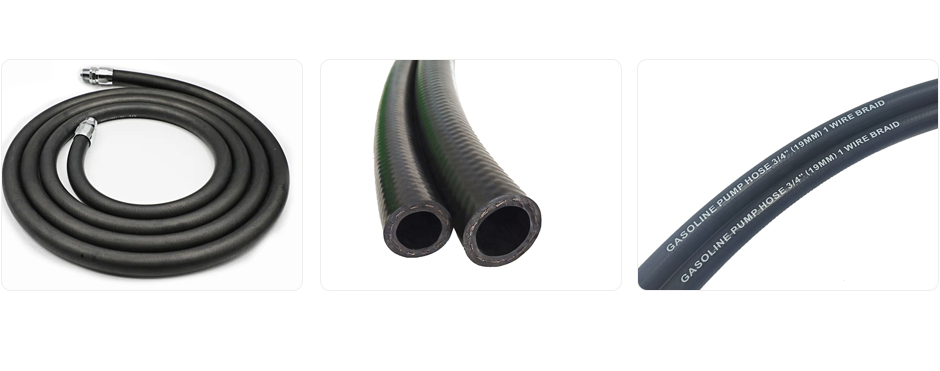
Two-wire braided hydraulic hose represents a critical component in fluid power systems across numerous industries, including construction, agriculture, manufacturing, and automotive. These hoses are designed to transmit hydraulic fluid under high pressure, facilitating the operation of hydraulic machinery. Positioned between the rigid piping and the mobile actuators, the hose provides flexibility and accommodates movement within the system. Unlike lower-pressure hoses relying solely on rubber reinforcement, two-wire braid construction utilizes two layers of high-tensile steel wire helically wound around the inner tube, providing significantly enhanced pressure capacity, burst strength, and resistance to kinking. This guide provides an in-depth technical overview of two-wire braided hydraulic hose, encompassing materials, manufacturing, performance, failure modes, and relevant industry standards, targeted towards engineers, procurement managers, and maintenance personnel. A key industry pain point revolves around balancing cost with reliability – specifying insufficient hose construction leads to premature failure and costly downtime, while over-specifying increases capital expenditure unnecessarily. This document aims to provide the technical foundation for informed decision-making.
Material Science & Manufacturing
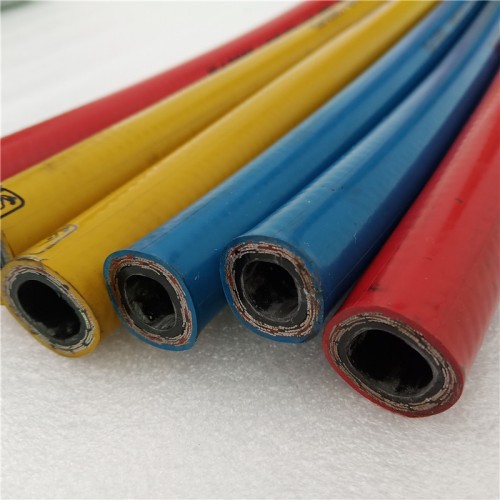
The construction of two-wire braided hydraulic hose involves several key materials and processes. The inner tube is typically composed of a synthetic rubber compound, most commonly nitrile rubber (NBR) for oil-based hydraulic fluids, or ethylene propylene diene monomer (EPDM) for phosphate ester fluids. NBR offers excellent resistance to petroleum-based fluids, abrasion, and heat, but exhibits limited resistance to ozone. EPDM, conversely, demonstrates superior ozone and weather resistance, making it suitable for outdoor applications and phosphate ester fluids. The reinforcement layer consists of high-tensile steel wire, typically drawn to precise dimensions to ensure uniform pressure distribution and prevent localized stress concentrations. The wire’s material composition often includes carbon steel with specific surface treatments to enhance corrosion resistance, such as zinc coating. The outer cover is also typically a synthetic rubber, often a blend of chloroprene (CR) and NBR, providing abrasion resistance, weather protection, and resistance to oil and chemicals. Manufacturing begins with extrusion of the inner tube to the specified dimensions. The steel wire is then precisely wound onto the inner tube in opposing helical orientations, creating the two braid layers. This process requires stringent control of tension and pitch to achieve consistent reinforcement. Following braiding, the outer cover is extruded over the reinforcement, and the hose is cured under heat and pressure to vulcanize the rubber compounds and bond the layers together. Critical process parameters include extrusion temperature, cure time, and braiding tension, all of which directly impact the hose's performance and durability. Incorrect wire tension can result in premature fatigue failure, while improper curing can lead to reduced rubber strength and adhesion.
Performance & Engineering
The performance of a two-wire braided hydraulic hose is dictated by several key engineering principles. Burst pressure, the maximum pressure the hose can withstand before failure, is a critical parameter determined by the tensile strength of the steel wire and the number of braids. Hose dimensions (inner diameter, outer diameter) impact flow velocity and pressure drop within the system. The hose’s bend radius is crucial to prevent kinking, which restricts flow and can lead to damage. Finite element analysis (FEA) is frequently employed during the design phase to simulate stress distribution under various loading conditions, optimizing reinforcement configuration and material selection. Environmental resistance is also paramount. Exposure to extreme temperatures, UV radiation, and corrosive fluids can degrade the rubber compounds, reducing the hose’s lifespan. Consideration must be given to the type of hydraulic fluid being used, as compatibility issues can cause swelling or softening of the inner tube. Furthermore, dynamic loading – such as pulsation and vibration – introduces fatigue stresses that must be accounted for in the design. Dynamic analysis, including frequency response analysis, helps predict the hose's response to these fluctuating loads. Compliance requirements vary by region and application. For example, SAE J517 standard specifies pressure ratings and performance characteristics for hydraulic hoses in North America, while EN 853 and EN 857 govern European standards. Selecting the appropriate hose requires a thorough understanding of the system's operating conditions, fluid compatibility, and regulatory requirements.
Technical Specifications
| Parameter | Unit | Specification Range (Typical) | Test Standard |
|---|---|---|---|
| Working Pressure | MPa | 10 – 35 | SAE J517 |
| Burst Pressure | MPa | 30 – 105 | SAE J517 |
| Inner Diameter | mm | 6 – 51 | SAE J517 |
| Outer Diameter | mm | 12 – 75 | SAE J517 |
| Temperature Range | °C | -40 – +100 (NBR) / -40 – +120 (EPDM) | SAE J517 |
| Minimum Bend Radius | mm | 4x ID – 8x ID | Manufacturer Specification |
Failure Mode & Maintenance
Two-wire braided hydraulic hose, despite its robust construction, is susceptible to various failure modes. Fatigue cracking is a common failure mechanism, particularly in applications involving high-frequency pulsation or vibration. This occurs when repeated stress cycles exceed the material’s fatigue limit, initiating cracks in the steel wire or rubber compounds. Bursting, caused by exceeding the hose’s pressure rating, is an abrupt and often catastrophic failure. Kinking, resulting from excessive bending, restricts flow and can lead to localized stress concentrations and eventual failure. Abrasion, caused by rubbing against abrasive surfaces, degrades the outer cover, exposing the reinforcement and accelerating corrosion. Corrosion, particularly in the steel wire, weakens the reinforcement and reduces the hose’s burst strength. Chemical degradation, due to incompatibility with the hydraulic fluid or external contaminants, can cause swelling, softening, or cracking of the rubber compounds. Preventive maintenance is crucial to extending hose life. Regular visual inspections should be conducted to identify signs of abrasion, cracking, or leakage. Hose assemblies should be properly supported to prevent kinking and abrasion. Hydraulic fluid should be regularly analyzed for contamination, and filters should be maintained to prevent particulate matter from damaging the hose. Bent tube fittings should be used to minimize stress at the hose connection points. If a hose shows signs of damage, it should be replaced immediately. Proper handling and storage are also essential, avoiding exposure to extreme temperatures, UV radiation, and ozone.
Industry FAQ
Q: What is the impact of impulse pressure on hose lifespan?
A: Impulse pressure, or pressure spikes, significantly reduces hose lifespan by accelerating fatigue failure. Each pressure surge creates stress waves that propagate through the hose structure. Repeated exposure to these impulses leads to micro-cracking and eventual failure. Hoses designed for high-impulse applications incorporate features such as tighter braid patterns and specialized rubber compounds to dampen these pressure fluctuations.
Q: How does hose layline marking aid in diagnostics?
A: The layline marking, a continuous spiral imprinted on the hose cover, indicates the hose's manufacturing date and pressure rating. This information is critical for traceability and determining if the hose is still within its recommended service life. The layline also allows for identification of any twisting or movement within the hose assembly that could indicate improper installation or internal damage.
Q: What considerations are important when selecting fitting types?
A: Fitting selection is crucial for ensuring a leak-free and reliable connection. The fitting material must be compatible with both the hose and the hydraulic fluid. Crimping specifications must be precise and adhere to the hose manufacturer’s recommendations. Improper crimping can lead to premature failure at the fitting connection. Furthermore, the fitting’s pressure rating must match or exceed the hose’s working pressure.
Q: Can a hose be repaired if it has a minor leak?
A: Generally, repairing a hydraulic hose is not recommended. Even minor leaks indicate structural damage that compromises the hose’s integrity. Attempting to repair a hose can create a potential safety hazard and often leads to complete failure. Replacement is the preferred course of action.
Q: What is the role of hose guards in protecting against abrasion?
A: Hose guards are protective sleeves installed over the hose to shield it from abrasion, impact, and environmental damage. They are particularly important in applications where the hose is routed near moving machinery or exposed to harsh conditions. Selecting the appropriate hose guard material is crucial, considering the type of abrasion and environmental exposure.
Conclusion
Two-wire braided hydraulic hose represents a vital component in modern hydraulic systems. Its robust construction, offering superior pressure capacity and durability compared to simpler hose designs, makes it essential for demanding applications. A thorough understanding of the materials science, manufacturing processes, performance characteristics, and potential failure modes is paramount for selecting and maintaining these critical components. Optimizing hose selection based on system requirements, fluid compatibility, and environmental conditions directly translates to reduced downtime, improved safety, and enhanced operational efficiency.
Looking ahead, advancements in hose technology are focused on developing lighter-weight materials, enhancing corrosion resistance, and improving resistance to extreme temperatures. Furthermore, the integration of smart sensors within the hose structure will enable real-time monitoring of pressure, temperature, and strain, facilitating predictive maintenance and reducing the risk of unexpected failures. Continued adherence to industry standards and best practices in installation and maintenance remains crucial for maximizing the lifespan and reliability of two-wire braided hydraulic hose.