
Apr . 01, 2024 17:55 Back to list
top quality hydraulic hose suppliers Performance Analysis
Introduction
Hydraulic hose assemblies are critical components in fluid power systems, responsible for the reliable transmission of pressurized fluids to actuators and other hydraulic devices. The selection of a high-quality hydraulic hose is paramount for operational safety, efficiency, and longevity of equipment across diverse industries including construction, agriculture, manufacturing, and aerospace. This guide provides a comprehensive technical overview of hydraulic hose technology, encompassing material science, manufacturing processes, performance characteristics, failure modes, and relevant industry standards, specifically geared towards informed procurement and engineering decisions related to top quality hydraulic hose suppliers. The core pain points addressed include premature hose failure due to incompatibility with fluids, exceeding pressure ratings, abrasion, and improper installation, all of which can lead to costly downtime and potential safety hazards. This document focuses on hoses designed for hydraulic applications, distinguishing them from other fluid transfer applications like pneumatic or chemical transfer.
Material Science & Manufacturing
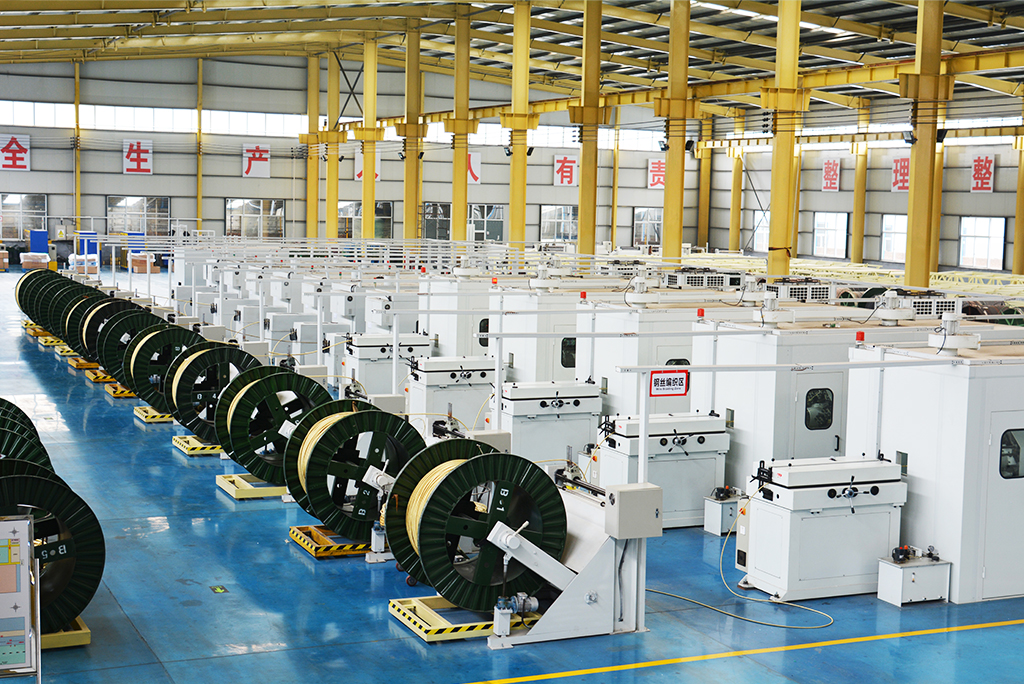
Hydraulic hoses are typically constructed from multiple layers, each contributing to specific performance characteristics. The inner tube, in direct contact with the fluid, is commonly composed of synthetic rubbers such as nitrile (NBR), ethylene propylene diene monomer (EPDM), or fluorocarbon (FKM – Viton). NBR provides excellent resistance to petroleum-based fluids, making it suitable for general-purpose hydraulic systems. EPDM excels in phosphate ester-based fluids and offers good heat and ozone resistance. FKM offers superior resistance to a wide range of aggressive chemicals and high temperatures but at a higher cost. The reinforcement layer is crucial for pressure containment and often utilizes multiple layers of high-tensile steel wire (single or multi-spiral) or synthetic fiber braids (aramid, polyester). Steel wire provides high-pressure capability, while synthetic braids offer flexibility and reduced weight. The outer cover provides environmental protection and abrasion resistance, typically utilizing synthetic rubbers like chloroprene (CR) or polyurethane (PU). Manufacturing processes include extrusion for the inner tube and cover, followed by calendaring and spiral winding or braiding for the reinforcement layers. Key parameter control during manufacturing involves maintaining precise rubber compound formulations, consistent wire diameter and spacing, and controlled vulcanization times and temperatures to ensure uniform material properties and bonding between layers. Post-production testing, including burst pressure testing and impulse testing, verifies performance against specified standards.

Performance & Engineering
Hydraulic hose performance is dictated by several key engineering considerations. Working pressure, defined as the maximum continuous operating pressure, is a critical parameter and is directly related to the reinforcement layer’s strength. Burst pressure, typically four times the working pressure, indicates the hose’s ultimate failure point. Impulse pressure, representing pressure spikes in dynamic systems, requires specific hose constructions to prevent damage from cyclical loading. Hose bend radius is equally important; exceeding the minimum bend radius induces stress concentrations and premature failure. Temperature range compatibility with both the fluid and the ambient environment must be considered. Fluid compatibility is crucial to prevent swelling, hardening, or degradation of the inner tube, leading to leaks or failure. Furthermore, proper hose routing and support are essential to prevent abrasion, kinking, and twisting. Finite element analysis (FEA) is frequently employed during design to optimize hose construction for specific applications and to predict stress distribution under various loading conditions. Compliance requirements, such as those outlined in SAE J517, dictate minimum performance standards for hydraulic hoses based on pressure rating and application. Electrostatic discharge (ESD) considerations are relevant in certain applications, requiring the use of conductive hose constructions.
Technical Specifications
| Hose Type | Working Pressure (PSI) | Burst Pressure (PSI) | Temperature Range (°F) |
|---|---|---|---|
| NBR – Steel Wire Braid | 2000 | 8000 | -40 to 212 |
| EPDM – Steel Wire Braid | 2500 | 10000 | -58 to 250 |
| FKM – Steel Wire Spiral | 3000 | 12000 | -20 to 400 |
| NBR – Aramid Braid | 1500 | 6000 | -40 to 212 |
| EPDM – Polyester Braid | 1200 | 4800 | -58 to 250 |
| Polyurethane – Spiral Wire | 4000 | 16000 | -65 to 250 |
Failure Mode & Maintenance
Hydraulic hose failure can occur through several distinct modes. Fatigue cracking, resulting from cyclical pressure fluctuations and mechanical stress, is a common issue. Delamination, separation of the layers due to inadequate bonding or excessive stress, reduces pressure containment. Abrasion, caused by external contact with surfaces, weakens the outer cover and eventually exposes the reinforcement. Oxidation and degradation of the rubber compounds, accelerated by heat and exposure to ozone or UV radiation, reduces flexibility and strength. Internal corrosion, due to incompatible fluids or moisture ingress, attacks the inner tube. Kinking and twisting induce localized stress concentrations and can lead to immediate failure. Proper maintenance is crucial for extending hose life. Regular visual inspections should identify signs of abrasion, cracking, swelling, or leaks. Hose should be replaced immediately if any damage is detected. Fluid contamination should be minimized through proper filtration. Hose assemblies should be correctly installed with appropriate fittings and supports, adhering to manufacturer’s recommendations. Periodic pressure testing can verify hose integrity. Documenting hose replacement and maintenance history is also vital for tracking performance and identifying potential systemic issues. Incorrect fitting torque is a significant failure contributor, and calibrated torque wrenches are essential during assembly.
Industry FAQ
Q: What is the difference between a single-wire and multi-wire hydraulic hose?
A: Single-wire braid hoses generally offer greater flexibility and are suitable for lower pressure applications. Multi-wire spiral hoses provide significantly higher pressure ratings and superior kink resistance, making them ideal for demanding applications with high flow rates and dynamic loading.
Q: How does temperature affect hydraulic hose performance?
A: Extreme temperatures can degrade the rubber compounds, reducing their flexibility and strength. High temperatures accelerate oxidation and can lead to premature failure, while low temperatures can cause stiffness and cracking. Always select a hose with a temperature range compatible with the operating environment and fluid temperature.
Q: What are the common causes of hydraulic hose leaks?
A: Leaks can be caused by several factors, including incompatible fluids degrading the inner tube, damage to the hose from abrasion or kinking, loose or improperly installed fittings, and corrosion of the reinforcement layer. Regular inspections and preventative maintenance are key to identifying and addressing potential leak sources.
Q: What fitting types are commonly used with hydraulic hoses?
A: Common fitting types include crimped fittings, field-attachable fittings (such as bite-the-wire and socket fittings), and flanged fittings. Crimped fittings provide the most secure connection but require specialized crimping equipment. Field-attachable fittings offer flexibility for on-site repairs, but generally have lower pressure ratings. Flanged fittings are used for large-diameter hoses and provide a robust, leak-proof seal.
Q: How can I determine the correct hose size for my application?
A: The hose size should be determined based on the flow rate, fluid velocity, and pressure drop requirements of the system. Using a hose that is too small will result in excessive pressure drop and heat generation, while a hose that is too large may be unnecessarily expensive and difficult to manage. Consult with a hydraulic engineer or hose supplier to properly size the hose for your specific application.
Conclusion
Selecting top quality hydraulic hose suppliers and the appropriate hydraulic hose assembly requires a comprehensive understanding of material science, manufacturing processes, performance characteristics, and potential failure modes. The critical factors include matching the hose construction to the specific application requirements – pressure, temperature, fluid compatibility, and mechanical stress. Careful consideration of these parameters, combined with a robust maintenance program and adherence to industry standards, is essential for maximizing hose life, minimizing downtime, and ensuring the safe and reliable operation of hydraulic systems.
Looking forward, advancements in hose materials and manufacturing techniques will continue to improve performance and durability. Developments in smart hose technology, incorporating sensors for real-time pressure and temperature monitoring, will enable proactive maintenance and predictive failure analysis. Furthermore, a growing emphasis on sustainable materials and environmentally friendly manufacturing processes will drive innovation in the hydraulic hose industry, leading to more responsible and efficient solutions.