
Apr . 01, 2024 17:55 Back to list
top quality hydraulic hose supplier Performance Analysis

Introduction
Hydraulic hose is a critical component in fluid power systems, responsible for the safe and efficient transmission of hydraulic fluid to actuators and other components. Its technical position in the industrial chain lies between the hydraulic pump/reservoir and the hydraulic cylinder/motor. A failure in hydraulic hose can result in system downtime, fluid leaks (potentially hazardous), and even catastrophic equipment damage. This guide provides an in-depth examination of top quality hydraulic hose, covering material science, manufacturing processes, performance characteristics, failure modes, and relevant industry standards. Core performance attributes include pressure rating, temperature range, fluid compatibility, and abrasion resistance. The ongoing industry pain points center around extending hose service life in demanding applications, minimizing permeation of fluids, and ensuring consistent dimensional accuracy to prevent fitting slippage. Selecting the appropriate hose for a specific application is paramount to operational safety and efficiency.
Material Science & Manufacturing
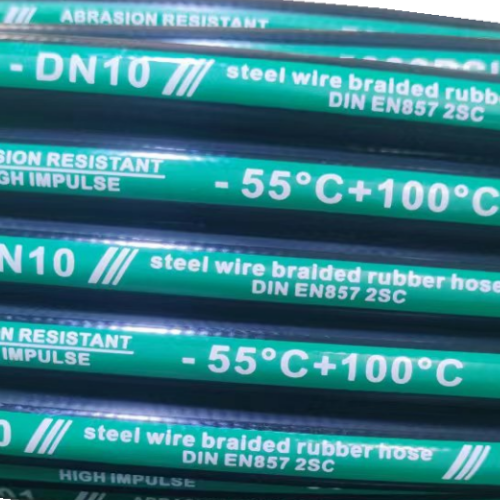
The construction of a top quality hydraulic hose relies on several key materials, each contributing to specific performance characteristics. The inner tube, in direct contact with the hydraulic fluid, is commonly composed of synthetic rubbers such as nitrile (NBR), ethylene propylene diene monomer (EPDM), or fluorocarbon (FKM – Viton). NBR provides good resistance to petroleum-based fluids, EPDM excels in phosphate ester fluid compatibility and high temperature resistance, and FKM offers exceptional resistance to a broad range of chemicals and extreme temperatures. The reinforcement layer, crucial for pressure containment, typically consists of multiple layers of high-tensile steel wire, spirally wound or braided. The number of layers directly influences the hose's working pressure capacity. An outer cover, usually made of chloroprene (CR) or polyurethane (PU), provides abrasion, ozone, and weather resistance. Manufacturing involves several critical steps. Inner tube extrusion ensures consistent wall thickness and smooth bore. Reinforcement winding or braiding requires precise tension control to maintain dimensional stability and prevent distortion. The hose assembly is then vulcanized – a process of cross-linking the rubber compounds using heat and pressure – to achieve optimal bonding between layers. Quality control includes hydrostatic testing (burst pressure verification), impulse testing (cyclic pressure endurance), and dimensional inspection.
Performance & Engineering
Hydraulic hose performance is governed by a complex interplay of forces and environmental factors. Burst pressure, defined as the pressure at which the hose fails catastrophically, is a key specification, typically with a 4:1 safety factor applied to determine the working pressure. Tensile strength is critical for resisting stretching and elongation under load. Fatigue resistance – the ability to withstand repeated pressure cycles – is particularly important in applications with pulsating flow. Environmental resistance encompasses the hose's ability to withstand temperature extremes, UV radiation, ozone exposure, and chemical attack. Fluid compatibility is paramount; incompatible fluids can cause swelling, softening, or degradation of the inner tube, leading to leaks or failure. Compliance requirements, such as those outlined by SAE (Society of Automotive Engineers) standards, dictate minimum performance levels and testing procedures. Finite Element Analysis (FEA) is frequently employed during the design phase to optimize hose geometry and reinforcement configuration for specific pressure and temperature conditions. The bend radius is a critical engineering parameter, as exceeding the minimum bend radius can induce stress concentrations and premature failure.
Technical Specifications
| Hose Type | Working Pressure (PSI) | Burst Pressure (PSI) | Temperature Range (°F) |
|---|---|---|---|
| SAE J517 100 R1 AT | 2000 | 8000 | -40 to +212 |
| SAE J517 100 R2 AT | 3000 | 12000 | -40 to +212 |
| SAE J517 100 R6 AT | 2500 | 10000 | -40 to +250 |
| DIN EN 853 1SN | 2000 | 8000 | -40 to +100 |
| DIN EN 853 2SN | 3150 | 12600 | -40 to +100 |
| DIN EN 857 1TE | 2500 | 10000 | -40 to +250 |
Failure Mode & Maintenance
Hydraulic hose failure can manifest in several ways. Fatigue cracking, often initiated at the bend radius, results from repeated flexing and pressure cycling. Abrasion damage occurs due to external contact with abrasive surfaces. Permeation, the slow leakage of fluid through the hose wall, is exacerbated by high temperatures and incompatible fluids. Pinholes can develop due to corrosion or impact damage. Fitting slippage, caused by improper installation or dimensional inconsistencies, leads to leaks and potential hose separation. Oxidation and ozone cracking degrade the outer cover, reducing its protective properties. Maintenance best practices include regular visual inspections for signs of wear, abrasion, or leaks. Hose should be replaced if any damage is detected. Proper torqueing of fittings is crucial to prevent slippage. Avoid exceeding the minimum bend radius. Use the correct fluid type and maintain proper fluid cleanliness. Implement a hose management program to track hose age and service history. Hydrostatic testing can be performed periodically to assess hose integrity, although this practice has limitations and must be conducted by qualified personnel. Avoid sharp overbending or kinking of the hose during installation or operation.
Industry FAQ
Q: What is the impact of impulse pressure on hydraulic hose life?
A: Impulse pressure, or pressure pulsations, significantly reduces hose life. Each pulse creates stress waves within the hose wall, leading to fatigue and eventual failure. Hoses designed for impulse applications incorporate specialized reinforcement layers to absorb these shocks. Dampening devices (accumulators) can also be used in the system to mitigate impulse pressure.
Q: How does temperature affect hydraulic hose performance?
A: Temperature affects both the physical properties of the hose materials and the viscosity of the hydraulic fluid. High temperatures accelerate degradation of the rubber compounds, reducing their flexibility and increasing the risk of permeation. Low temperatures can cause the hose to become stiff and brittle. Selecting a hose with an appropriate temperature range is essential for the application.
Q: What are the key considerations when selecting a hose fitting?
A: Fittings must be compatible with the hose type and fluid being used. Correct size and thread type are crucial for a leak-free connection. Fitting materials should be corrosion-resistant and capable of withstanding the system pressure. Proper installation, including correct torqueing, is paramount. Avoid mixing fitting manufacturers without thorough compatibility testing.
Q: How important is proper hose routing and support?
A: Proper hose routing minimizes bending stress and abrasion. Avoid sharp bends, twisting, and contact with hot surfaces. Hose supports should be used to prevent sagging and rubbing. These supports distribute the hose’s weight and prevent stress concentrations that can lead to premature failure.
Q: What is the difference between spiral and braided hose reinforcement?
A: Braided hose reinforcement utilizes multiple layers of wire braid, offering excellent flexibility and resistance to kinking. Spiral hose reinforcement employs a single layer of wire wound in a spiral, providing higher pressure capacity but reduced flexibility. The choice depends on the application's pressure requirements and bending constraints.
Conclusion
Top quality hydraulic hose selection is a multifaceted engineering challenge requiring careful consideration of material science, manufacturing processes, performance requirements, and potential failure modes. Understanding the interplay between these factors is crucial for ensuring the safe and reliable operation of hydraulic systems. Choosing a hose based solely on price can lead to premature failure, costly downtime, and potential safety hazards.
Looking forward, advancements in hose technology will focus on developing materials with improved chemical resistance, higher temperature tolerance, and reduced permeability. Smart hose solutions incorporating sensors for pressure monitoring and leak detection are also emerging, offering predictive maintenance capabilities. Prioritizing a robust hose management program coupled with a thorough understanding of industry standards will remain paramount for optimizing hydraulic system performance and longevity.