
Apr . 01, 2024 17:55 Back to list
top quality hydraulic hose Performance Analysis
Introduction
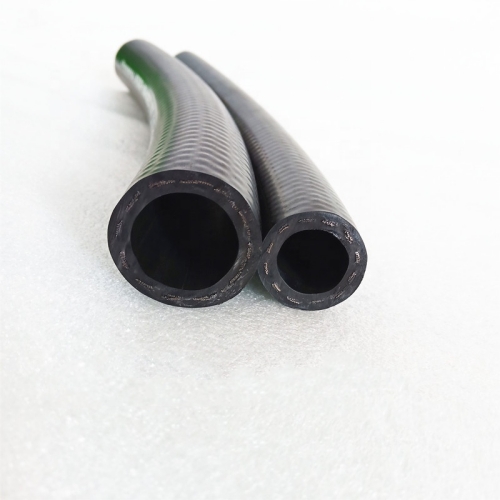
Hydraulic hose, a critical component in fluid power systems, transmits hydraulic fluid to actuators and other components. Its performance directly impacts the efficiency, reliability, and safety of the entire system. This guide focuses on top quality hydraulic hose, distinguishing it from standard offerings through enhanced material selection, robust manufacturing processes, and rigorous testing procedures. These hoses are designed for demanding applications where resistance to high pressure, extreme temperatures, and aggressive fluids is paramount. The industry chain positions the hose between the hose manufacturer, supplying to OEMs (Original Equipment Manufacturers) and the aftermarket for replacement and maintenance. Core performance indicators include burst pressure, working pressure, temperature range, fluid compatibility, and resistance to abrasion and kinking. Understanding these parameters is crucial for optimal system design and longevity. The escalating demands of industries like construction, agriculture, mining, and manufacturing necessitate the use of these high-performance hoses to ensure operational continuity and minimize downtime.
Material Science & Manufacturing
The foundation of top quality hydraulic hose lies in its constituent materials. The inner tube is typically constructed from synthetic rubbers like nitrile (NBR), ethylene propylene diene monomer (EPDM), or fluorocarbon (FKM/Viton), selected based on fluid compatibility. NBR offers excellent resistance to petroleum-based fluids, EPDM excels with phosphate ester fluids, and FKM provides superior resistance to a wide range of aggressive chemicals and high temperatures. Reinforcement layers are crucial for pressure containment and typically consist of multiple plies of high-tensile steel wire, spirally wound or braided. The number and construction of these layers directly correlate with the hose’s working and burst pressure ratings. The cover, providing environmental protection, is commonly made from Chlorinated Polyethylene (CPE) or Polyurethane (PU) for abrasion and ozone resistance. Manufacturing processes vary depending on hose type. Braided hoses utilize a helical winding of steel wire over a rubber mandrel, followed by vulcanization – a process involving heat and pressure to crosslink the rubber polymers, imparting elasticity and strength. Spiral hoses employ a single, continuously wound steel wire, requiring precise tension control during the winding process. Extrusion is used to apply the inner tube and cover materials. Key parameter control includes rubber compound formulations (precise ratios of polymers, fillers, and curatives), wire tensile strength and lay angle, vulcanization temperature and time, and dimensional accuracy of the finished hose. Improper control of these parameters can lead to premature failure.
Performance & Engineering
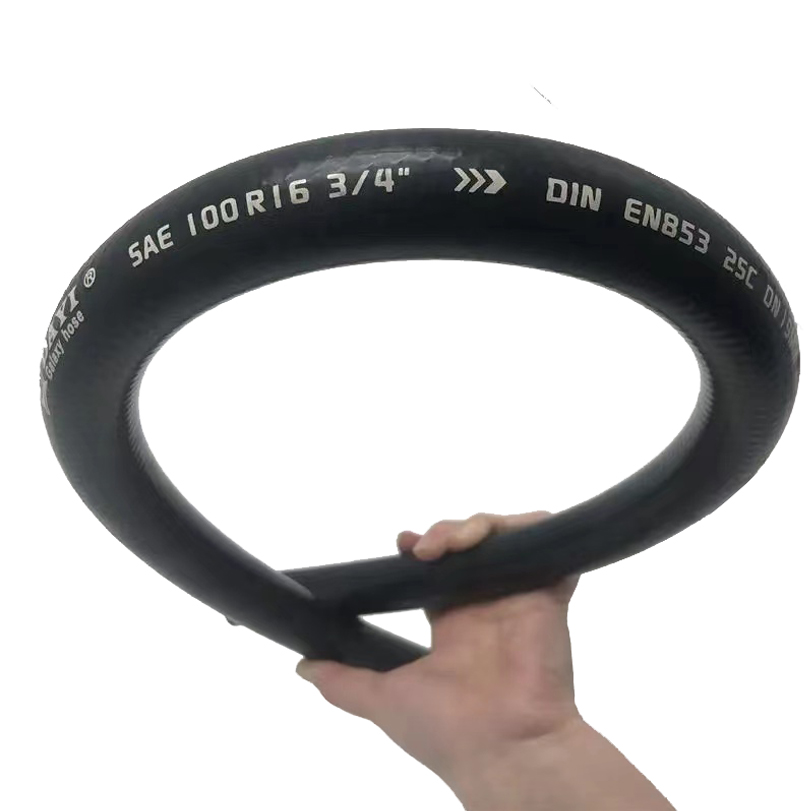
Performance of hydraulic hose is defined by its ability to withstand operational stresses without failure. Force analysis focuses on hoop stress (circumferential stress due to internal pressure), longitudinal stress (stress along the hose length due to pressure and bending), and shear stress (stress within the reinforcement layers). Hose bending radius is a critical engineering parameter; exceeding the minimum bend radius induces stress concentrations that can lead to fatigue cracking. Environmental resistance involves assessing degradation due to temperature extremes, UV exposure, ozone, and exposure to various fluids. Compliance requirements vary geographically, with standards like SAE J517, EN 853, and ISO 6898 dictating performance criteria and testing methodologies. These standards specify burst pressure testing, impulse testing (cyclic pressure application), temperature cycling, and fluid compatibility testing. Functional implementation involves considering hose routing, fitting selection, and protection against abrasion and impact. Proper hose routing minimizes bending and twisting, while appropriate fittings ensure a leak-free seal. Hose guards and sleeves provide external protection against physical damage. The selection of hydraulic hose must also consider fluid velocity; excessive velocity can lead to erosion of the inner tube and increased pressure drop. Careful consideration of these engineering aspects ensures optimal system performance and longevity.
Technical Specifications
| Parameter | Unit | Specification (Standard Duty) | Specification (Top Quality) |
|---|---|---|---|
| Working Pressure | PSI | 2000 | 5000 |
| Burst Pressure | PSI | 6000 | 15000 |
| Temperature Range | °F | -40 to 212 | -67 to 302 |
| Reinforcement Type | - | 2 Wire Braid | 4 Spiral Wire |
| Inner Tube Material | - | NBR | FKM (Viton) |
| Cover Material | - | CPE | Super Abrasion PU |
Failure Mode & Maintenance
Hydraulic hose failure can manifest in several modes. Fatigue cracking, induced by repeated bending and pressure cycling, is a common failure mechanism, often initiated at stress concentrations near fittings. Delamination, the separation of reinforcement layers from the rubber matrix, can occur due to improper vulcanization or exposure to aggressive fluids. Degradation of the rubber compounds, caused by heat, ozone, or UV exposure, leads to loss of elasticity and cracking. Oxidation, particularly in EPDM hoses, can cause hardening and embrittlement. Kinking, resulting from excessive bending, restricts fluid flow and can damage the inner tube. Pinholes or cracks in the inner tube cause leaks and pressure loss. Maintenance procedures are crucial for preventing failure. Regular visual inspections should identify cracks, abrasions, or leaks. Hose routing should be checked to ensure compliance with minimum bend radius guidelines. Fittings should be inspected for tightness and corrosion. Fluid compatibility should be verified to prevent chemical attack. Replace hoses based on preventative maintenance schedules, even if no visible damage is apparent. Proper storage, away from direct sunlight and extreme temperatures, extends hose lifespan. Furthermore, using the correct fitting type and ensuring proper crimping are paramount. Failure analysis, involving microscopic examination of fractured surfaces, can identify the root cause of failure and inform preventative measures.
Industry FAQ
Q: What is the significance of impulse testing, and how does a top quality hose perform compared to standard hoses?
A: Impulse testing simulates the pulsating pressure waves common in hydraulic systems, which can induce fatigue failure. Top quality hoses, with their superior reinforcement construction (typically spiral wire), exhibit significantly higher impulse cycle life than standard braided hoses. This translates to increased reliability and reduced risk of catastrophic failure in dynamic applications.
Q: How does the inner tube material impact fluid compatibility, and what are the implications for hose selection?
A: The inner tube material must be compatible with the hydraulic fluid being used. Incompatible fluids can cause swelling, softening, or degradation of the rubber, leading to leaks and failure. FKM (Viton) offers the broadest fluid compatibility, but is more expensive. NBR is suitable for mineral oils, while EPDM is ideal for phosphate ester fluids. Selecting the correct inner tube material is critical for long-term performance.
Q: What are the advantages of a spiral wire reinforcement over a braided reinforcement?
A: Spiral wire reinforcement provides greater flexibility and a higher pressure capacity compared to braided reinforcement. The continuous winding allows for greater elongation and better resistance to kinking. Spiral hoses are typically used in high-pressure, demanding applications where flexibility is also required.
Q: How important is the correct fitting selection and crimping procedure?
A: Absolutely crucial. Incorrect fittings or improper crimping can lead to leaks, blowouts, or premature failure. Fittings must be sized correctly for the hose and application, and the crimping process must ensure a secure, leak-proof seal without damaging the hose reinforcement. Using a calibrated crimping machine and following manufacturer's specifications is essential.
Q: What is the role of the cover material in hose performance, and what defines a “super abrasion” PU cover?
A: The cover protects the reinforcement layers from environmental damage, including abrasion, ozone, and UV exposure. A “super abrasion” PU cover utilizes a specialized polyurethane formulation with increased hardness and wear resistance, offering significantly longer service life in abrasive environments. This is particularly important in applications like construction equipment and agricultural machinery.
Conclusion
Top quality hydraulic hose represents a significant investment in the reliability and longevity of fluid power systems. Its superior material selection, robust manufacturing processes, and rigorous testing procedures distinguish it from standard offerings, providing enhanced performance characteristics such as higher working and burst pressures, wider temperature ranges, and improved resistance to fluid degradation and environmental factors. Careful consideration of these technical aspects, coupled with proper installation and maintenance practices, is crucial for maximizing hose lifespan and minimizing downtime.
Looking forward, advancements in hydraulic hose technology will likely focus on the development of lighter-weight materials, improved fluid compatibility, and enhanced monitoring capabilities. The integration of sensors within the hose structure could provide real-time data on pressure, temperature, and structural integrity, enabling predictive maintenance and preventing catastrophic failures. Continued adherence to stringent industry standards and a commitment to innovation will be essential for meeting the evolving demands of modern hydraulic systems.