
Apr . 01, 2024 17:55 Back to list
top quality hydraulic hose manufacturer Performance Analysis
Introduction
Hydraulic hose is a critical component in fluid power systems, transmitting pressurized hydraulic fluid to actuate cylinders, motors, and other hydraulic devices. Within the broader industrial hose market, high-quality hydraulic hose represents a specialized segment demanding rigorous material selection, precise manufacturing processes, and adherence to stringent performance standards. These hoses are utilized across a vast array of industries, including construction, agriculture, manufacturing, mining, and material handling, where reliability and safety are paramount. A failure in a hydraulic hose can result in system downtime, costly repairs, and potentially hazardous situations. This guide provides a comprehensive technical overview of top quality hydraulic hose, encompassing material science, manufacturing techniques, performance characteristics, failure modes, and relevant industry standards. The core performance attributes defining a top quality hydraulic hose include its pressure rating, temperature range, fluid compatibility, bend radius, and resistance to abrasion and external damage. The industry faces ongoing challenges related to extending hose service life in increasingly demanding applications and reducing environmental impact through improved material selection and manufacturing processes.
Material Science & Manufacturing
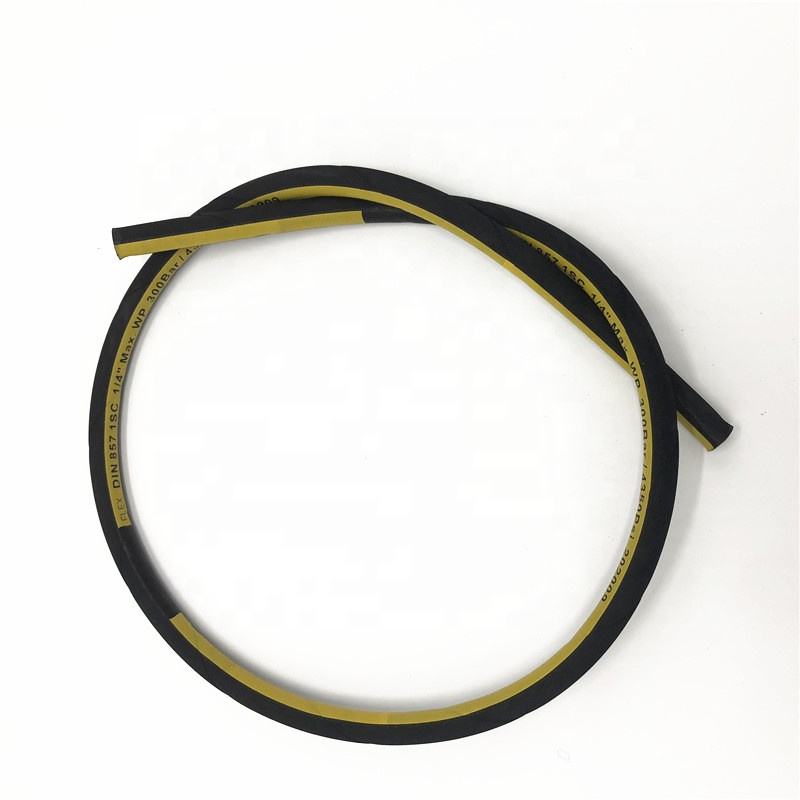
The construction of top quality hydraulic hose typically involves four primary layers: the inner tube, reinforcement layers, and the outer cover. The inner tube, in direct contact with the hydraulic fluid, is commonly manufactured from synthetic rubbers such as nitrile (NBR), ethylene propylene diene monomer (EPDM), or fluorocarbon (FKM – Viton). NBR provides excellent resistance to petroleum-based fluids but limited temperature range. EPDM excels in high-temperature applications and exhibits good resistance to water, steam, and ozone. FKM offers superior resistance to a wide range of aggressive chemicals and high temperatures, albeit at a higher cost. Reinforcement layers provide the hose's pressure-bearing capacity and are traditionally comprised of multiple braids of high-tensile steel wire. The number and angle of these braids directly impact the hose's working pressure. Synthetic textile reinforcement, such as aramid fiber, is also employed, offering a lighter weight alternative, particularly in non-critical applications. The outer cover, providing protection against abrasion, weathering, and chemical exposure, is generally made from synthetic rubbers like chlorinated polyethylene (CPE) or polyurethane. Manufacturing processes involve extrusion of the inner tube and outer cover, followed by the spiral winding or braiding of the reinforcement layers. Precise control of extrusion temperature, pressure, and screw speed is critical to ensure uniform wall thickness and consistent material properties. Braiding tension and angle must be meticulously controlled to achieve the specified pressure rating. Post-processing steps include vulcanization (curing) to crosslink the rubber compounds, enhancing their strength, elasticity, and chemical resistance. Quality control measures throughout the manufacturing process include dimensional inspection, pressure testing, and material analysis to verify compliance with industry standards.

Performance & Engineering
Hydraulic hose performance is dictated by several key engineering principles. Burst pressure, working pressure, and safety factor are critical parameters. Working pressure is typically specified as a percentage (often 50-70%) of the burst pressure. The safety factor accounts for pressure surges, dynamic loading, and the degradation of material properties over time. Hose bend radius is another vital consideration. Exceeding the minimum bend radius can cause kinking, leading to flow restriction and premature failure. Fatigue resistance is paramount in applications involving repetitive bending or vibration. This is influenced by the reinforcement layer’s construction and the quality of the rubber compounds. Fluid compatibility is equally crucial; selecting a hose material incompatible with the hydraulic fluid can result in swelling, softening, or cracking. Environmental resistance, encompassing temperature extremes, ozone exposure, and UV degradation, must be considered based on the operating environment. Finite element analysis (FEA) is increasingly used to optimize hose designs, predict stress distribution, and assess performance under various loading conditions. Furthermore, proper hose assembly techniques, including the selection of appropriate fittings and crimping procedures, are essential to ensure a leak-free and reliable connection. Improperly crimped fittings can lead to extrusion, separation, or catastrophic failure. Compliance requirements, such as those outlined by SAE International (SAE J517, SAE J1926), dictate performance criteria and testing procedures for hydraulic hose.
Technical Specifications
| Parameter | Unit | Specification Range (Typical) | Test Standard |
|---|---|---|---|
| Working Pressure | MPa | 10 - 350 | SAE J517 |
| Burst Pressure | MPa | 30 - 1050 | SAE J517 |
| Temperature Range | °C | -40 to +120 | SAE J517 |
| Inner Tube Material | - | NBR, EPDM, FKM | ASTM D2000 |
| Reinforcement Type | - | Steel Wire Braid (1SP, 2SP, 4SP, 6SP), Synthetic Textile | SAE J1926 |
| Outer Cover Material | - | CPE, Polyurethane | ASTM D2000 |
Failure Mode & Maintenance
Hydraulic hose failures commonly stem from several mechanisms. Fatigue cracking, induced by repeated flexing and pressure cycling, is a prevalent issue, particularly in applications with tight bend radii. Abrasion, caused by external contact with abrasive surfaces, can wear through the outer cover and expose the reinforcement layers. Pinholing, the formation of small holes in the hose wall, can occur due to corrosion, chemical attack, or the presence of foreign particles. Extrusion, the protrusion of the inner tube through the reinforcement, is often linked to improper crimping or exceeding the hose’s pressure rating. Kinking, resulting from exceeding the minimum bend radius, restricts fluid flow and can lead to localized stress concentrations. Oxidation and degradation of the rubber compounds, accelerated by exposure to heat, ozone, and UV radiation, reduces the hose’s elasticity and strength. Maintenance best practices include regular visual inspections for signs of damage, such as cracks, abrasions, bulges, or leaks. Hose assemblies should be replaced proactively based on service life recommendations or when any signs of degradation are observed. Proper routing and support mechanisms should be employed to minimize bending stress and prevent abrasion. The hydraulic fluid should be regularly analyzed to identify contaminants that could contribute to hose failure. When replacing hose assemblies, it is crucial to use compatible fittings and ensure they are crimped correctly to the manufacturer’s specifications. Detailed records of hose replacements and maintenance activities should be maintained to track performance and identify potential systemic issues.
Industry FAQ
Q: What is the significance of the "spiral angle" in steel-wire reinforced hydraulic hose?
A: The spiral angle of the steel wire reinforcement directly impacts the hose's flexibility and pressure-bearing capacity. A smaller spiral angle generally provides higher pressure ratings but reduces flexibility. Conversely, a larger spiral angle increases flexibility but compromises pressure capacity. The optimal spiral angle is a compromise based on the specific application requirements. Different spiral angles are designated by numbers (e.g., 2SP, 4SP, 6SP), indicating the number of spirals and influencing the hose’s performance characteristics.
Q: How does hydraulic fluid type affect hose selection?
A: Hydraulic fluid compatibility is critical. Different fluids have varying chemical compositions and can interact differently with hose materials. Petroleum-based fluids are generally compatible with NBR, while phosphate ester fluids require specialized materials like FKM. Incompatible fluids can cause swelling, softening, or cracking of the inner tube, leading to premature failure. Always consult a fluid compatibility chart to ensure the hose material is suitable for the intended fluid.
Q: What are the common causes of hose "kinking," and how can it be prevented?
A: Kinking occurs when the hose is bent beyond its minimum bend radius, causing the inner tube to collapse and restrict flow. This is often due to improper hose routing, insufficient support, or dynamic movement. Prevention involves adhering to the manufacturer's specified minimum bend radius, providing adequate support with clamps or sleeves, and ensuring the hose is not subjected to excessive twisting or bending during operation.
Q: What is the role of hose guarding and protection sleeves?
A: Hose guarding and protection sleeves are essential for preventing abrasion, cuts, and other external damage that can compromise the hose’s integrity. They provide an additional layer of protection against physical hazards in harsh operating environments. Selecting the appropriate guard material (e.g., nylon, polyethylene) depends on the specific application and the types of hazards present.
Q: How frequently should hydraulic hose assemblies be inspected and replaced?
A: Inspection frequency depends on the application and operating conditions. A visual inspection should be conducted at least annually, and more frequently in demanding environments. Hose assemblies should be replaced proactively based on the manufacturer’s recommended service life, or immediately if any signs of damage, such as cracks, abrasions, or leaks, are observed. Maintaining a detailed maintenance log helps track hose performance and optimize replacement schedules.
Conclusion
Top quality hydraulic hose is a complex engineered product demanding a thorough understanding of material science, manufacturing processes, and performance characteristics. Selecting the appropriate hose for a specific application requires careful consideration of factors such as pressure rating, temperature range, fluid compatibility, and environmental conditions. Consistent adherence to industry standards, rigorous quality control measures, and proactive maintenance practices are essential to ensure reliable operation, prevent costly downtime, and maintain safety. The trend toward higher operating pressures and more demanding applications necessitates continuous innovation in hose materials and manufacturing techniques.
Future development in hydraulic hose technology will likely focus on lightweight materials, improved abrasion resistance, and enhanced environmental sustainability. The integration of smart sensors and data analytics will enable predictive maintenance, optimizing hose replacement schedules and minimizing unplanned downtime. A continued emphasis on standardized testing procedures and comprehensive performance data will further enhance the reliability and safety of hydraulic systems.