
Apr . 01, 2024 17:55 Back to list
top quality hydraulic hose factories Performance Analysis
Introduction
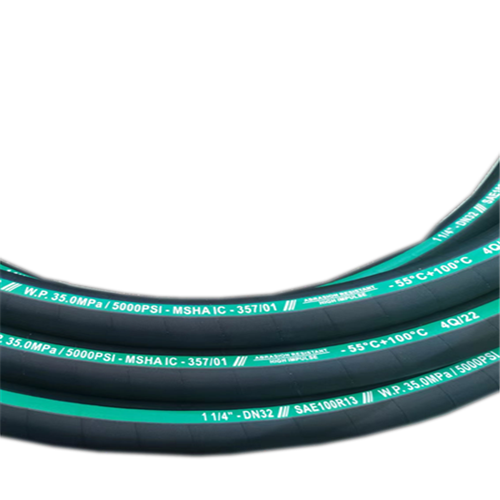
Hydraulic hose assemblies are critical components in fluid power systems, transmitting hydraulic fluid to actuate machinery across diverse industries including construction, agriculture, manufacturing, and aerospace. Top quality hydraulic hose factories specialize in the design, manufacture, and testing of hoses capable of withstanding extreme pressures, temperatures, and corrosive fluids. This guide provides an in-depth examination of hydraulic hose technology, encompassing material science, manufacturing processes, performance characteristics, failure modes, and relevant industry standards. The core performance of a hydraulic hose is dictated by its burst pressure, working pressure, temperature range, and resistance to fluid compatibility. Selecting the appropriate hose is paramount for system reliability and safety, avoiding costly downtime and potential hazards. The increasing demand for higher performance and durability, coupled with stricter environmental regulations, drives continuous innovation in hydraulic hose technology. The industry faces challenges concerning material sourcing, consistent quality control, and adapting to the increasing use of environmentally friendly fluids.
Material Science & Manufacturing
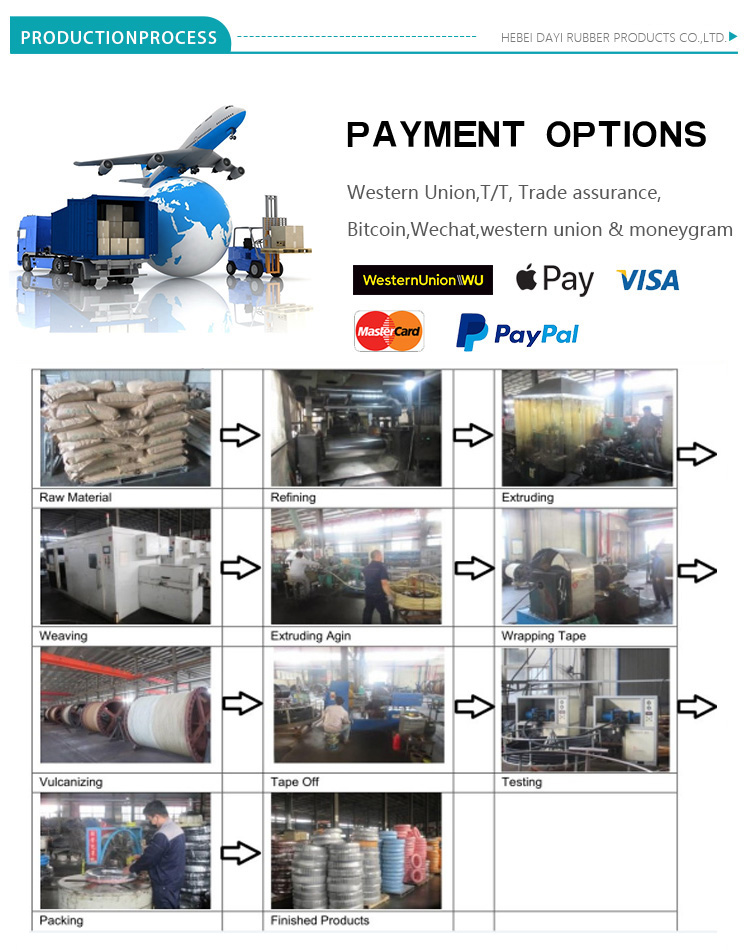
Hydraulic hoses are typically constructed from multiple layers, each serving a specific function. The inner tube, in direct contact with the fluid, is commonly made of synthetic rubbers such as Nitrile (NBR), Ethylene Propylene Diene Monomer (EPDM), or Fluorocarbon (FKM/Viton) chosen based on fluid compatibility. NBR excels with petroleum-based fluids, EPDM is suitable for phosphate ester fluids, while FKM provides superior resistance to aggressive chemicals and high temperatures. The reinforcement layer provides the structural strength to withstand pressure. Common materials include braided high-strength steel wire, spiral-wound steel wire, or synthetic fiber braids like aramid (Kevlar). Steel wire reinforcement offers higher pressure ratings, while synthetic fibers provide flexibility and reduced weight. The outer cover, providing abrasion and weather resistance, is typically composed of Chloroprene (CR) or polyurethane. Manufacturing processes vary based on hose type. Braided hoses are produced by intertwining steel wires over a mandrel, followed by rubber extrusion. Spiral-wound hoses employ a continuous wrapping of steel wire around a central core, offering very high pressure capabilities. Post-processing includes vulcanization (curing) to crosslink the rubber compounds, enhancing their physical and chemical properties. Parameter control during vulcanization – temperature, pressure, and time – is crucial to achieving optimal material characteristics. Quality control throughout the manufacturing process, including non-destructive testing of reinforcement layers, is essential for ensuring product reliability.
Performance & Engineering
Hydraulic hose performance is governed by several critical engineering principles. Burst pressure, typically four times the working pressure, is a key safety factor. Working pressure is the maximum pressure the hose can safely sustain during continuous operation. Temperature range is limited by the rubber compounds used; exceeding the specified temperature can lead to material degradation and failure. Fluid compatibility is crucial, as incompatible fluids can cause swelling, softening, or cracking of the inner tube. Fatigue life, determined through repetitive pressure cycling tests, is a critical parameter, particularly in applications involving vibration or pulsation. Force analysis focuses on hoop stress within the hose wall, directly related to internal pressure and reinforcement layer configuration. Environmental resistance includes protection against ozone, UV radiation, and abrasion. Compliance with industry standards, such as SAE J517 and EN 853, ensures consistent performance and safety. Hose assemblies also require careful consideration of end fitting selection and crimping procedures. Improper crimping can lead to leakage or premature failure. Finite Element Analysis (FEA) is increasingly used to optimize hose design and predict performance under various loading conditions. Proper hose routing, avoiding sharp bends and abrasive surfaces, is also vital for maximizing service life.
Technical Specifications
| Parameter | Unit | SAE 100R2 AT | SAE 100R6 AT |
|---|---|---|---|
| Working Pressure | MPa | 20.7 | 21 |
| Burst Pressure | MPa | 82.7 | 84 |
| Temperature Range | °C | -40 to +100 | -40 to +100 |
| Inner Tube | Material | NBR | NBR |
| Reinforcement | Material | Two Steel Wire Braids | Four Steel Wire Braids |
| Outer Cover | Material | CRM | CRM |
Failure Mode & Maintenance
Hydraulic hose failures can stem from various mechanisms. Fatigue cracking, caused by repeated pressure cycles, is a common failure mode, particularly in high-vibration environments. Abrasion, from external contact with surfaces, can wear through the outer cover and reinforcement layers. Pinholes, resulting from localized defects in the inner tube or cover, lead to leakage. Collapse, occurring when external pressure exceeds the hose's structural integrity, is more common in suction lines. Chemical degradation, due to incompatible fluids, causes swelling, softening, and cracking. Improper installation, such as over-bending or incorrect crimping, significantly reduces hose life. Maintenance practices are crucial for preventing failures. Regular visual inspections should identify signs of abrasion, cracking, or swelling. Pressure testing, using a calibrated test kit, can detect leaks or weaknesses. Hose routing should be inspected for proper support and clearance. Fluid contamination, including particulate matter and water, accelerates hose degradation. Implementing proper filtration systems and fluid maintenance procedures extends hose service life. When replacing hoses, it’s critical to use compatible end fittings and follow the manufacturer’s crimping recommendations. Retaining records of hose installations and maintenance is essential for tracking performance and identifying potential problems.
Industry FAQ
Q: What are the key differences between spiral and braided hydraulic hose construction, and when would you choose one over the other?
A: Braided hoses utilize interwoven steel wire layers, offering good flexibility and moderate pressure ratings (typically up to 300 bar). Spiral hoses employ a single, continuously wound steel wire around a central core, providing significantly higher pressure capabilities (up to 600 bar or more) but reduced flexibility. Choose braided hoses for applications requiring frequent bending and lower pressures, while spiral hoses are ideal for high-pressure, static installations where flexibility is less critical.
Q: How does temperature affect hydraulic hose performance, and what materials are best suited for extreme temperature environments?
A: Temperature significantly impacts rubber compound properties. High temperatures can cause softening, swelling, and reduced tensile strength, while low temperatures can lead to brittleness and cracking. For high-temperature applications (above 100°C), FKM (Viton) inner tubes and covers are preferred. For low-temperature applications (below -40°C), EPDM or specialized polyether-based rubbers provide improved flexibility and resistance to cracking.
Q: What are the common causes of hydraulic hose leakage, and how can they be prevented?
A: Common leakage causes include improper crimping of end fittings, damage to the inner tube from fluid contamination, fatigue cracking, and abrasion. Prevention involves using properly calibrated crimping tools, implementing robust filtration systems, regularly inspecting hoses for damage, and ensuring correct hose routing to avoid abrasive contact.
Q: What is the importance of fluid compatibility when selecting a hydraulic hose?
A: Fluid compatibility is paramount. Incompatible fluids can cause the inner tube to swell, soften, or degrade, leading to leakage and failure. Always verify that the hose's inner tube material is compatible with the hydraulic fluid being used. Refer to fluid compatibility charts provided by hose manufacturers.
Q: What role do end fittings play in the overall performance and safety of a hydraulic hose assembly?
A: End fittings are crucial for establishing a leak-proof connection and transmitting fluid pressure. They must be correctly sized and crimped to the hose to ensure a secure seal. Using incompatible fittings or improper crimping can result in leakage, hose blow-out, and potential hazards. Fittings should be made of materials compatible with both the hose and the fluid.
Conclusion
The selection and implementation of hydraulic hoses are critical for ensuring the safe and efficient operation of hydraulic systems. Understanding the interplay between material science, manufacturing processes, performance parameters, and potential failure modes is essential for optimizing hose life and minimizing downtime. Top quality hydraulic hose factories prioritize rigorous quality control, continuous innovation in material technology, and adherence to stringent industry standards.
Looking ahead, the industry will continue to focus on developing hoses with increased pressure ratings, improved temperature resistance, and enhanced durability. The adoption of smart hose technologies, incorporating sensors for real-time monitoring of pressure, temperature, and leakage, will enable predictive maintenance and further enhance system reliability. Environmental concerns will drive the development of biodegradable and recyclable hose materials.