
Apr . 01, 2024 17:55 Back to list
top quality high pressure hydraulic hose supplier Performance Engineering

Introduction
High-pressure hydraulic hose is a critical component in fluid power systems, transmitting hydraulic fluid to actuators and machinery. Positioned within the industrial supply chain between raw material providers (rubber, steel, polymer compounds) and end-users in sectors like construction, agriculture, manufacturing, and oil & gas, the hose’s performance dictates system efficiency, safety, and longevity. Core performance characteristics include working pressure, burst pressure, temperature resistance, fluid compatibility, and abrasion resistance. Premium hoses utilize advanced materials and manufacturing processes to exceed industry standards, ensuring reliable operation in demanding applications. A key pain point in the industry is maintaining consistent quality control across diverse manufacturing batches and ensuring hoses can withstand the rigors of dynamic loading and harsh environmental conditions. The demand for lightweight, high-strength hoses with extended service life is continuously increasing, driving innovation in materials science and hose construction.
Material Science & Manufacturing
High-pressure hydraulic hoses are typically constructed from multiple layers, each contributing to specific performance characteristics. The inner tube, in direct contact with the hydraulic fluid, is commonly made of synthetic rubbers like nitrile (NBR), ethylene propylene diene monomer (EPDM), or fluorocarbon (FKM/Viton) based on fluid compatibility requirements. NBR offers excellent resistance to petroleum-based fluids, while EPDM excels in phosphate ester compatibility. FKM provides exceptional resistance to high temperatures and aggressive chemicals. The reinforcement layer provides the strength to withstand high pressures. This is frequently achieved using multiple layers of high-tensile steel wire, spirally wound or braided, offering varying degrees of flexibility and pressure capacity. Aramid fiber reinforcement (e.g., Kevlar) is utilized in applications requiring high strength-to-weight ratios and improved flexibility. The outer cover, providing abrasion, ozone, and weather resistance, is typically constructed from synthetic rubber compounds like chloroprene (CR) or polyurethane (PU).
Manufacturing processes involve several critical steps. The inner tube is extruded through a die to achieve the desired dimensions and then cured to vulcanize the rubber. Reinforcement layers are wound or braided onto the tube under precise tension control, impacting the hose’s burst pressure and flexibility. The outer cover is then applied, followed by a final curing process. Key parameter control during manufacturing includes rubber compound mixing ratios, extrusion temperature and speed, winding/braiding tension, and curing time and temperature. Deviations in these parameters can significantly affect the hose’s performance and lead to premature failure. Skiving (removing layers of the cover at the hose ends) is a crucial final step to facilitate proper fitting connection.
Performance & Engineering
Hydraulic hose performance is governed by several engineering principles. Burst pressure, a critical safety parameter, is determined by the tensile strength of the reinforcement layers and the adhesion between layers. Working pressure is a fraction of the burst pressure, typically specified as a safety factor (e.g., 4:1). Fatigue life, the number of pressure cycles a hose can withstand before failure, is affected by factors such as hose construction, fluid compatibility, and operating temperature. Hose flexibility is influenced by the reinforcement layer’s weave pattern and the material properties of the inner tube and cover.
Environmental resistance is paramount. Exposure to ozone, UV radiation, extreme temperatures, and corrosive fluids can degrade the hose materials, reducing its service life. Fluid compatibility is crucial to prevent swelling, softening, or cracking of the inner tube. Proper hose selection requires careful consideration of the fluid type, operating temperature, and pressure requirements. Compliance requirements include adherence to industry standards such as SAE J517 (hose construction), SAE J518 (hose performance), and ISO 14307 (hose testing). Force analysis, including hoop stress calculations, is essential for designing hoses capable of withstanding high internal pressures. Dynamic loading, caused by pressure pulsations and hose movement, can induce fatigue and must be accounted for in the hose design and installation.
Technical Specifications
| Parameter | Unit | SAE 100R2AT | SAE 100R6AT |
|---|---|---|---|
| Working Pressure | MPa | 31.5 | 21.0 |
| Burst Pressure | MPa | 105 | 63 |
| Temperature Range | °C | -40 to +100 | -40 to +60 |
| Reinforcement | Material | Multiple Steel Wire Braid | Single Steel Wire Braid |
| Inner Tube | Material | NBR (Nitrile Rubber) | NBR (Nitrile Rubber) |
| Outer Cover | Material | Synthetic Rubber (CRM) | Synthetic Rubber (CRM) |
Failure Mode & Maintenance
Common failure modes in hydraulic hoses include burst failures due to exceeding the working pressure, pinhole leaks caused by abrasion or chemical attack, and end-fitting failures due to improper installation or corrosion. Fatigue cracking can occur in the reinforcement layers due to repeated flexing and pressure cycling. Delamination, the separation of layers, is often caused by poor adhesion or incompatible materials. Degradation of the rubber compounds due to exposure to ozone, UV radiation, or extreme temperatures can lead to cracking and loss of flexibility. Oxidation of the hydraulic fluid can also contribute to hose degradation.
Preventative maintenance is crucial for extending hose life. Regular visual inspections should be conducted to check for signs of damage, such as cracks, abrasions, bulges, or leaks. Hoses should be routed properly to avoid sharp bends, twisting, and contact with hot surfaces or abrasive materials. Properly torqued fittings are essential to prevent leaks and ensure a secure connection. Hydraulic fluid should be regularly analyzed and replaced to prevent contamination and oxidation. When replacing hoses, it’s critical to use hoses that are compatible with the hydraulic fluid and meet the required pressure and temperature ratings. Proper storage of hoses, away from direct sunlight and extreme temperatures, can also extend their service life.
Industry FAQ
Q: What is the difference between SAE J517 and SAE J518 standards, and why are they important?
A: SAE J517 specifies the construction requirements for hydraulic hose, including materials, layer configurations, and dimensional tolerances. SAE J518 defines the performance requirements, such as working pressure, burst pressure, and temperature range. Adherence to these standards ensures hose quality, safety, and interchangeability. Procurement managers rely on these standards to verify supplier compliance.
Q: How does hose layline marking assist with traceability and maintenance?
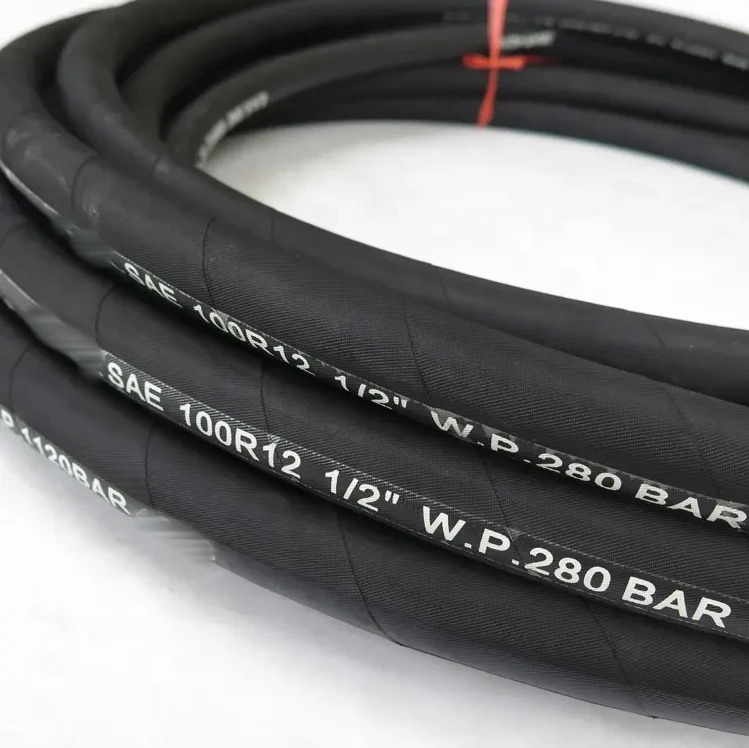
A: Hose layline markings provide critical information about the hose's manufacturer, standard compliance, manufacturing date, and working pressure. This information is essential for traceability in case of failures, warranty claims, and for determining the hose’s suitability for a specific application. Maintenance personnel use this information for proper identification and replacement.
Q: What are the key considerations when selecting a hose for phosphate ester fluids?
A: Phosphate ester fluids require hoses with an inner tube made of EPDM rubber, as NBR is incompatible and will degrade rapidly. The hose must also be rated for the specific temperature and pressure requirements of the system. Compatibility of the outer cover and fittings with phosphate ester fluids is also crucial.
Q: What is the impact of improper hose routing on hose life and system performance?
A: Improper hose routing, such as sharp bends, twisting, or contact with hot surfaces, can induce excessive stress on the hose, leading to premature fatigue failure. Twisting can also restrict fluid flow and reduce system efficiency. Proper routing minimizes stress and maximizes hose life.
Q: How can proper fitting selection and installation prevent hose failures?
A: Using the correct fitting type and size is critical. Fittings must be compatible with the hose material and rated for the system pressure. Proper installation, including proper torqueing of the fittings, ensures a secure connection and prevents leaks. Using a sealant appropriate for the fluid is also recommended.
Conclusion
The selection and application of high-pressure hydraulic hoses demand a comprehensive understanding of material science, manufacturing processes, performance engineering, and relevant industry standards. Failure to consider these factors can lead to premature hose failure, system downtime, and potential safety hazards. A focus on quality materials, precise manufacturing control, and proper maintenance practices are essential for maximizing hose service life and ensuring reliable operation in demanding hydraulic systems.
Continued innovation in hose technology will focus on developing lighter-weight, higher-strength hoses with improved resistance to harsh environments and extended service life. The integration of smart hose technologies, incorporating sensors to monitor pressure, temperature, and hose condition, will further enhance predictive maintenance and optimize system performance. Collaboration between hose manufacturers, fluid power component suppliers, and end-users is crucial for driving these advancements.