
Apr . 01, 2024 17:55 Back to list
top quality high pressure hydraulic hose Performance Analysis
Introduction
High pressure hydraulic hose is a critical component in fluid power systems, responsible for the safe and efficient transmission of hydraulic fluid to operate machinery across diverse industries. This guide provides an in-depth technical overview of top quality high pressure hydraulic hose, covering material science, manufacturing processes, performance characteristics, failure modes, and relevant industry standards. The increasing demands for higher operating pressures, extended service life, and improved safety in applications such as construction equipment, agricultural machinery, oil & gas, and manufacturing require a thorough understanding of these hoses. Core performance metrics include burst pressure, working pressure, impulse pressure resistance, and temperature range, all of which directly influence system reliability and operational efficiency. A key industry pain point revolves around premature hose failure due to improper specification, installation, or maintenance, leading to costly downtime and potential safety hazards. This guide aims to equip engineers, procurement professionals, and maintenance personnel with the knowledge necessary to select, implement, and maintain high pressure hydraulic hose effectively.
Material Science & Manufacturing
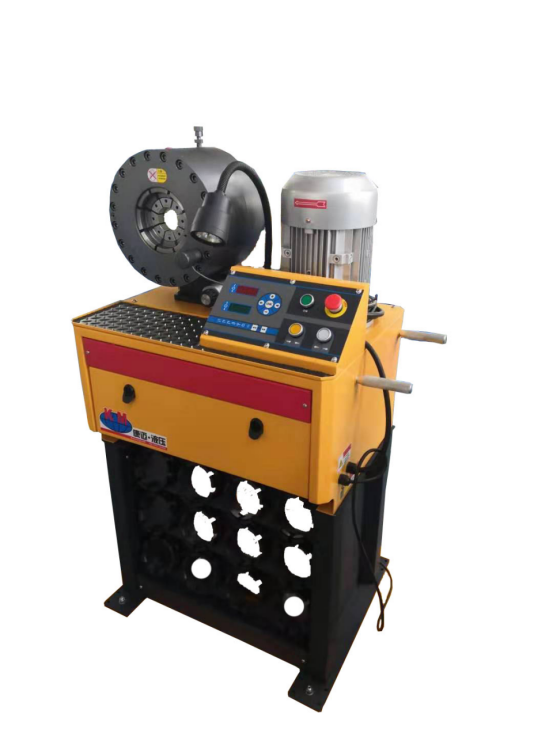
Top quality high pressure hydraulic hose construction typically involves multiple layers, each serving a specific purpose. The inner tube, which comes into direct contact with the hydraulic fluid, is commonly made from synthetic rubbers like nitrile (NBR), ethylene propylene diene monomer (EPDM), or fluorocarbon (FKM/Viton). NBR provides excellent resistance to petroleum-based fluids, while EPDM excels in phosphate ester fluids and high-temperature applications. FKM offers superior chemical resistance and is used in aggressive fluid environments. The reinforcement layer provides the strength to withstand high pressures and is typically composed of multiple braids or spirals of high-tensile steel wire. The number of layers and wire diameter directly correlate with the hose’s maximum working pressure. A protective outer cover, usually a synthetic rubber like polyurethane, provides abrasion, ozone, and weather resistance. Manufacturing processes begin with the extrusion of the inner tube, followed by the winding of the reinforcement layers using automated braiding or spiral winding machines. Precise tension control during reinforcement application is crucial to ensure uniform pressure distribution and prevent localized stress concentrations. The outer cover is then extruded over the reinforcement, and the hose is vulcanized – a process involving heating the hose under pressure to crosslink the rubber compounds, enhancing their strength and elasticity. Critical parameters during vulcanization include temperature, time, and pressure, all meticulously controlled to achieve optimal material properties. Hose end fittings are attached using crimping processes, ensuring a secure and leak-proof connection. The crimp quality is dependent on die selection, crimping pressure and the correct hose and fitting combination.
Performance & Engineering
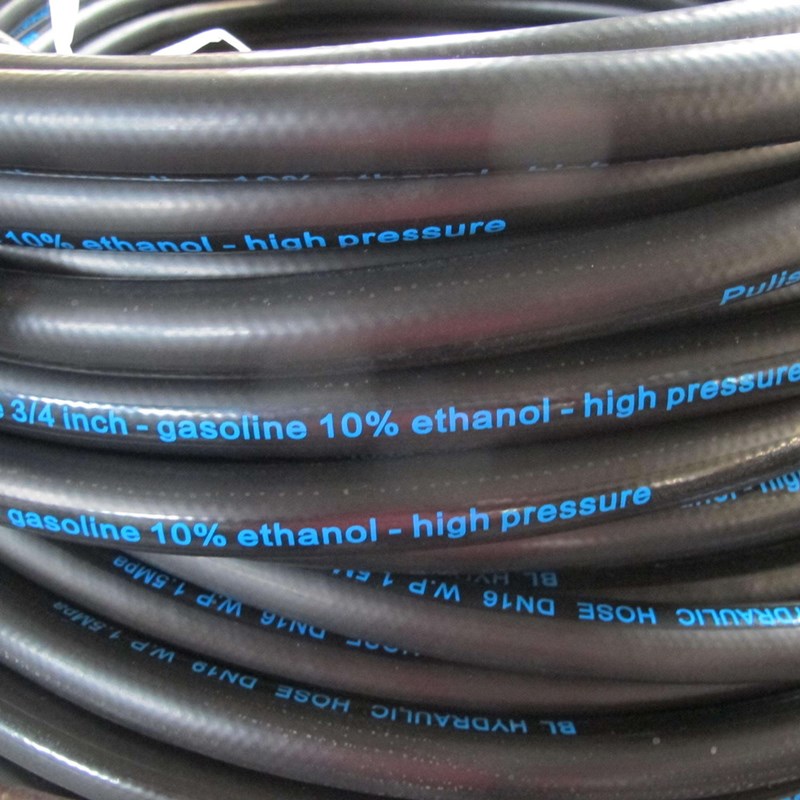
The performance of high pressure hydraulic hose is governed by several key engineering principles. Burst pressure, representing the maximum pressure the hose can withstand before rupture, is a fundamental performance parameter. Working pressure is significantly lower, typically 50-75% of the burst pressure, providing a safety margin. Impulse pressure resistance, the ability of the hose to withstand pressure pulsations without failure, is critical in applications like hydraulic hammers and pumps. This resistance is largely determined by the reinforcement layer's construction and the rubber compound's elasticity. Force analysis dictates the reinforcement design, accounting for hoop stress generated by internal pressure. The hose must also exhibit sufficient flexibility to accommodate bending and routing within the system. Excessive bending can lead to kinking and reduced flow. Environmental resistance is another critical factor. Exposure to extreme temperatures, UV radiation, ozone, and corrosive fluids can degrade the rubber compounds, reducing the hose’s service life. Compliance requirements vary by region and application. For instance, SAE J517 specifies performance and testing requirements for hydraulic hose in North America, while EN 856 standards are prevalent in Europe. Electrostatic discharge (ESD) can be a concern in certain applications, requiring the use of conductive hose constructions to prevent static buildup. Hose selection requires careful consideration of fluid compatibility, operating temperature range, pressure requirements, and environmental conditions. Proper installation, including correct hose routing, support, and fitting attachment, is essential to ensure optimal performance and longevity.
Technical Specifications
| Parameter | Unit | Typical Value (DN19, 2-wire braid) | Typical Value (DN32, 4-wire spiral) |
|---|---|---|---|
| Working Pressure | MPa | 25 | 40 |
| Burst Pressure | MPa | 75 | 120 |
| Impulse Pressure (R12) | MPa | 30 | 60 |
| Temperature Range | °C | -40 to +100 | -40 to +120 |
| Inner Tube Material | - | NBR | EPDM |
| Reinforcement | - | 2 Steel Wire Braid | 4 Steel Wire Spiral |
Failure Mode & Maintenance
Failure of high pressure hydraulic hose can occur through various mechanisms. Fatigue cracking, resulting from repeated pressure cycling, is a common failure mode, particularly in applications with significant pressure pulsations. Delamination, the separation of the reinforcement layers from the rubber matrix, can occur due to improper vulcanization or excessive bending. Abrasion damage from external sources can compromise the outer cover, leading to reinforcement corrosion and eventual hose failure. Fluid incompatibility can cause swelling or degradation of the inner tube, resulting in leaks or blockage. Oxidation, particularly in hoses exposed to high temperatures and oxygen, can lead to hardening and cracking of the rubber compounds. Improper installation, such as over-tightening or under-tightening fittings, can cause premature failure. Maintenance practices should include regular visual inspections for signs of wear, damage, or leaks. Hoses should be replaced if they exhibit cracks, bulges, abrasions, or evidence of fluid leakage. Proper hose routing and support are essential to prevent excessive bending and abrasion. Fluid cleanliness is crucial to prevent internal damage. Regular fluid analysis can identify contaminants that may accelerate hose degradation. Crimping inspections should be performed periodically to verify the integrity of the hose-fitting connection. When replacing hoses, it’s vital to use the correct hose and fitting combination and follow the manufacturer’s recommended crimping procedures. Storage of hoses should be in a cool, dry, and dark location to minimize degradation.
Industry FAQ
Q: What is the difference between braided and spiral reinforced hydraulic hose?
A: Braided hose utilizes multiple layers of woven wire, offering excellent flexibility and resistance to kinking. Spiral hose employs a single wire wound in a spiral configuration, providing higher pressure capacity and impulse resistance but generally less flexibility. The choice depends on the application’s pressure and bending requirements.
Q: How do I determine the correct working pressure for a hydraulic hose?
A: The working pressure should be at least 1.25 times the maximum system pressure, providing a safety factor. Consider pressure spikes and impulse pressures when selecting a hose. Always consult the hose manufacturer’s specifications and application guidelines.
Q: What are the effects of using incompatible hydraulic fluids with specific hose materials?
A: Using incompatible fluids can cause the inner tube to swell, soften, or degrade, leading to leaks or blockage. Always verify fluid compatibility with the hose material (NBR, EPDM, FKM) before use. Refer to fluid resistance charts provided by hose manufacturers.
Q: What are the best practices for preventing hose twist during installation and operation?
A: Avoid twisting the hose during installation. Use swivel fittings to allow for hose movement during operation. Ensure adequate hose length to prevent strain and twisting. Regularly inspect hoses for twisting and correct it immediately.
Q: How often should hydraulic hoses be inspected and replaced?
A: Inspection frequency depends on the application and operating conditions. As a general guideline, hoses should be inspected visually every 6 months or after 1000 hours of operation, whichever comes first. Replace hoses if they exhibit any signs of damage, wear, or leaks. Maintain a detailed hose replacement schedule.
Conclusion
Top quality high pressure hydraulic hose represents a critical link in the safe and efficient operation of hydraulic systems. A comprehensive understanding of material science, manufacturing processes, performance characteristics, and potential failure modes is paramount for informed selection, installation, and maintenance. Proper hose specification, coupled with adherence to industry standards and best practices, ensures optimal performance, minimizes downtime, and enhances operational safety.
Future advancements in hydraulic hose technology will likely focus on the development of lighter-weight materials, improved pressure resistance, and enhanced durability. The integration of smart sensing technologies to monitor hose condition and predict potential failures will also play a significant role in proactive maintenance strategies. Continued research and development are essential to meet the evolving demands of increasingly complex hydraulic systems.