
Apr . 01, 2024 17:55 Back to list
top quality high pressure hydraulic hose factories Performance Analysis
Introduction
High-pressure hydraulic hose assemblies are critical components in fluid power systems across a diverse range of industries, including construction, agriculture, mining, and manufacturing. These hoses transmit hydraulic fluid to actuators and motors, enabling the performance of essential functions. The integrity of these systems is directly dependent on the hose’s ability to withstand extreme pressures, temperatures, and exposure to harsh environments. Top quality high pressure hydraulic hose factories differentiate themselves through precise manufacturing processes, stringent quality control, and the utilization of advanced materials. This guide provides an in-depth examination of the material science, manufacturing, performance characteristics, failure modes, and industry standards governing these critical components. The primary pain points in the industry revolve around ensuring consistent burst pressure ratings, minimizing permeation, and maximizing service life while adhering to stringent safety regulations and minimizing total cost of ownership.
Material Science & Manufacturing
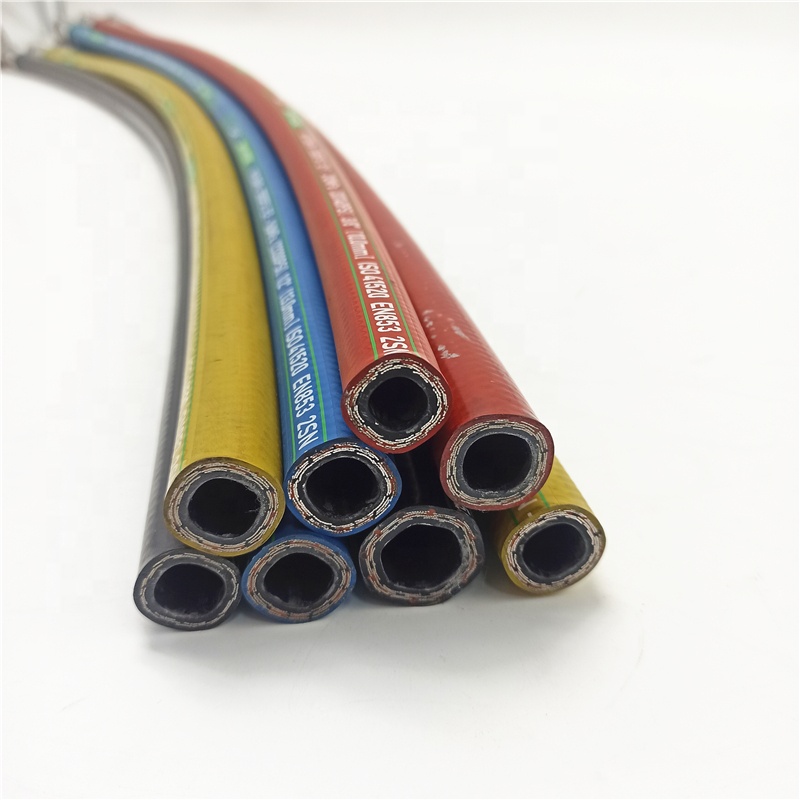
The construction of high-pressure hydraulic hoses involves multiple layers, each contributing to specific performance characteristics. The innermost layer, the tube, is typically made from nitrile rubber (NBR), chlorinated polyethylene (CPE), or polytetrafluoroethylene (PTFE), selected for their resistance to hydraulic fluids. NBR offers good abrasion resistance and compatibility with petroleum-based fluids, but limited temperature range. CPE boasts superior resistance to oil, heat, and weathering. PTFE provides exceptional chemical inertness and a wide temperature range but is significantly more expensive. The reinforcement layer is crucial for pressure containment and is commonly composed of multiple high-tensile steel wire spirals or braids. The number of layers and wire diameter directly correlate with the hose's working and burst pressure capabilities. A protective outer cover, usually made of synthetic rubber such as polyurethane or polyester, shields the reinforcement from abrasion, weathering, and chemical attack.
Manufacturing processes vary depending on hose type and specification. Braided hoses are created by interlacing high-tensile steel wires around the inner tube using automated braiding machines. Spiral-wound hoses employ a continuous wrapping of steel wire around the tube, offering higher pressure ratings and flexibility. Critical parameters during manufacturing include wire tension, braid angle, and adhesion between layers. Post-manufacturing quality control involves hydrostatic pressure testing to verify burst pressure, impulse testing to assess fatigue resistance, and dimensional inspections to ensure conformance to specifications. Vulcanization, a process of cross-linking rubber molecules with sulfur or other agents, is essential for achieving the desired mechanical properties of the tube and cover. The temperature and duration of vulcanization are carefully controlled to optimize elasticity, tensile strength, and chemical resistance.
Performance & Engineering
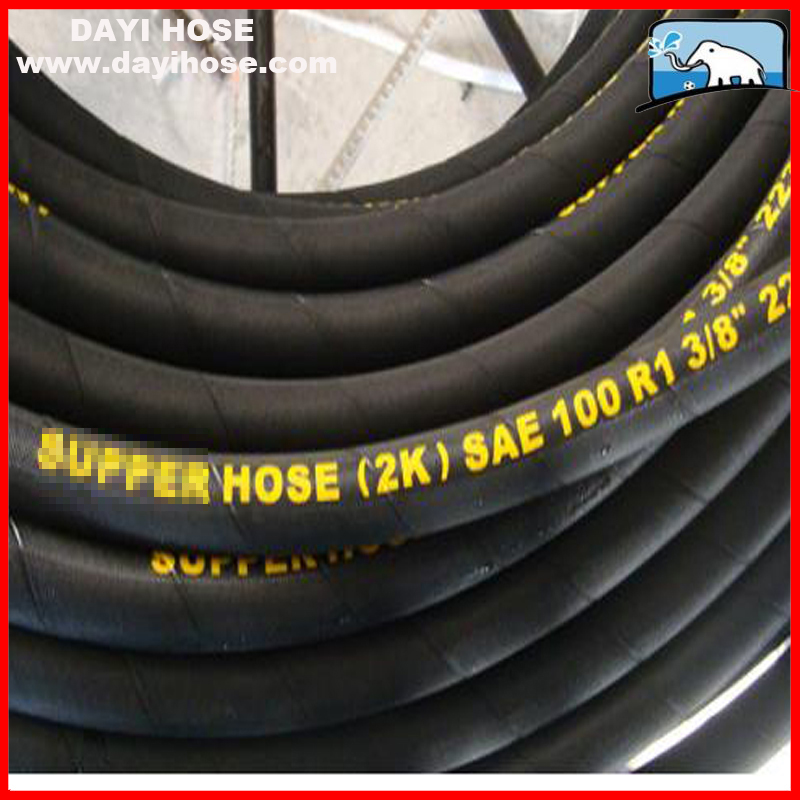
The performance of high-pressure hydraulic hoses is defined by several key parameters. Burst pressure, typically expressed in PSI or MPa, represents the maximum pressure the hose can withstand before catastrophic failure. Working pressure is a fraction of the burst pressure, usually specified as a safety factor (e.g., 4:1) to account for pressure surges and dynamic loads. Impulse pressure, representing cyclical pressure fluctuations, is critical for applications involving hydraulic hammers or other pulsating equipment. Hose flexibility, measured by bend radius, influences ease of installation and routing. Temperature range dictates the operational limits of the hose, as extreme temperatures can degrade material properties. Permeation, the leakage of hydraulic fluid through the hose wall, is a concern in environmentally sensitive applications.
Engineering considerations involve force analysis to determine stress concentrations at fittings and bends. Finite Element Analysis (FEA) is often employed to simulate hose behavior under various loading conditions. Environmental resistance is assessed through exposure testing to chemicals, UV radiation, and ozone. Compliance with industry standards, such as SAE J517 and EN 857, is essential for ensuring safety and interchangeability. The selection of appropriate hose fittings is paramount; incorrect fittings can lead to leaks or premature failure. Fittings must be compatible with the hose material and rated for the same working pressure. Consideration must also be given to hose twist, which can significantly reduce service life.
Technical Specifications
| Parameter | SAE J517 R1AT | SAE J517 R2AT | EN 857 1SN | EN 857 2SN |
|---|---|---|---|---|
| Working Pressure (PSI) | 600 | 1200 | 400 | 800 |
| Burst Pressure (PSI) | 2400 | 4800 | 1600 | 3200 |
| Temperature Range (°F) | -40 to 212 | -40 to 212 | -40 to 212 | -40 to 212 |
| Reinforcement | Single Wire Braid | Double Wire Braid | Single Wire Spiral | Double Wire Spiral |
| Tube Material | NBR | NBR | NBR | NBR |
| Cover Material | Synthetic Rubber | Synthetic Rubber | Synthetic Rubber | Synthetic Rubber |
Failure Mode & Maintenance
High-pressure hydraulic hoses are susceptible to several failure modes. Fatigue cracking, often initiated at the fitting interface or at areas of high stress concentration, results from repeated pressure cycling. Delamination, the separation of layers within the hose wall, can occur due to inadequate bonding during manufacturing or exposure to corrosive fluids. Degradation of the rubber material due to heat, UV exposure, or chemical attack reduces hose flexibility and strength. Oxidation causes the rubber to become brittle and crack. Abrasion from external sources damages the outer cover, exposing the reinforcement to corrosion. Internal corrosion can occur if the hydraulic fluid becomes contaminated with water or other corrosive substances. Fitting failure, whether due to corrosion, improper tightening, or material defects, can lead to sudden and catastrophic hose rupture.
Preventive maintenance is crucial for maximizing hose service life. Regular visual inspections should identify signs of abrasion, cracking, or leaks. Pressure testing should be performed periodically to verify hose integrity. Hydraulic fluid should be regularly analyzed for contamination and replaced as needed. Hose routing should minimize bending and twisting. Fittings should be properly tightened to the manufacturer's specifications. Damaged hoses should be replaced immediately. Proper storage practices, including protection from sunlight and extreme temperatures, can prevent premature degradation. Maintaining accurate records of hose installation and maintenance history enables proactive replacement and minimizes downtime.
Industry FAQ
Q: What is the significance of the SAE J517 standard, and how does it relate to hose selection?
A: SAE J517 is a crucial standard defining performance characteristics and construction requirements for hydraulic hoses. It categorizes hoses based on working pressure, temperature range, and reinforcement type (e.g., R1AT, R2AT). Selecting a hose that meets or exceeds the system’s pressure and temperature requirements, as defined by SAE J517, is paramount for safety and reliability. Ignoring the standard can lead to premature failure and potential injury.
Q: How does temperature affect hydraulic hose performance?
A: Extreme temperatures can significantly degrade hose materials. High temperatures accelerate rubber degradation and reduce tensile strength, while low temperatures can cause embrittlement and reduced flexibility. Hoses are typically rated for a specific temperature range; exceeding these limits compromises performance and increases the risk of failure. Selecting a hose with a tube and cover material appropriate for the operating temperature is crucial.
Q: What are the common causes of hose leaks, and how can they be prevented?
A: Common causes of leaks include improper fitting installation (over-tightening or under-tightening), damaged or corroded fittings, cracked or worn hose covers, and internal hose degradation. Prevention involves proper fitting torque, regular inspections, protection from abrasion, maintaining clean hydraulic fluid, and using hoses with appropriate chemical compatibility.
Q: What is the role of the reinforcement layer in a hydraulic hose?
A: The reinforcement layer is the primary structural element responsible for withstanding the internal pressure of the hydraulic fluid. It prevents the hose from bursting or collapsing under pressure. The type of reinforcement (wire braid or spiral) and the number of layers directly determine the hose’s pressure rating. Proper wire tension and adhesion to the inner tube are critical for reinforcement integrity.
Q: What are the best practices for storing hydraulic hoses?
A: Hydraulic hoses should be stored in a cool, dry, and dark environment, away from direct sunlight, ozone sources, and extreme temperatures. Hoses should be coiled loosely, avoiding sharp bends or kinks. They should be stored off the ground to prevent abrasion. Protecting hoses from dust and contaminants is also essential. Long-term storage may require periodic inspection for signs of degradation.
Conclusion
The selection and maintenance of high-pressure hydraulic hoses are critical for the safe and reliable operation of fluid power systems. Top quality high pressure hydraulic hose factories prioritize material science, meticulous manufacturing processes, and rigorous quality control to deliver products that meet demanding industry standards. Understanding the various performance parameters, potential failure modes, and preventative maintenance practices outlined in this guide is essential for maximizing hose service life and minimizing downtime.
Looking ahead, advancements in materials science, such as the development of more chemically resistant and high-strength polymers, will continue to drive improvements in hydraulic hose performance. Furthermore, the integration of sensor technology for real-time pressure and temperature monitoring will enable predictive maintenance and proactive failure prevention. Ultimately, a holistic approach encompassing careful hose selection, proper installation, and diligent maintenance is paramount for ensuring the longevity and safety of hydraulic systems.