
Apr . 01, 2024 17:55 Back to list
thermoplastic hydraulic hose Performance Analysis
Introduction
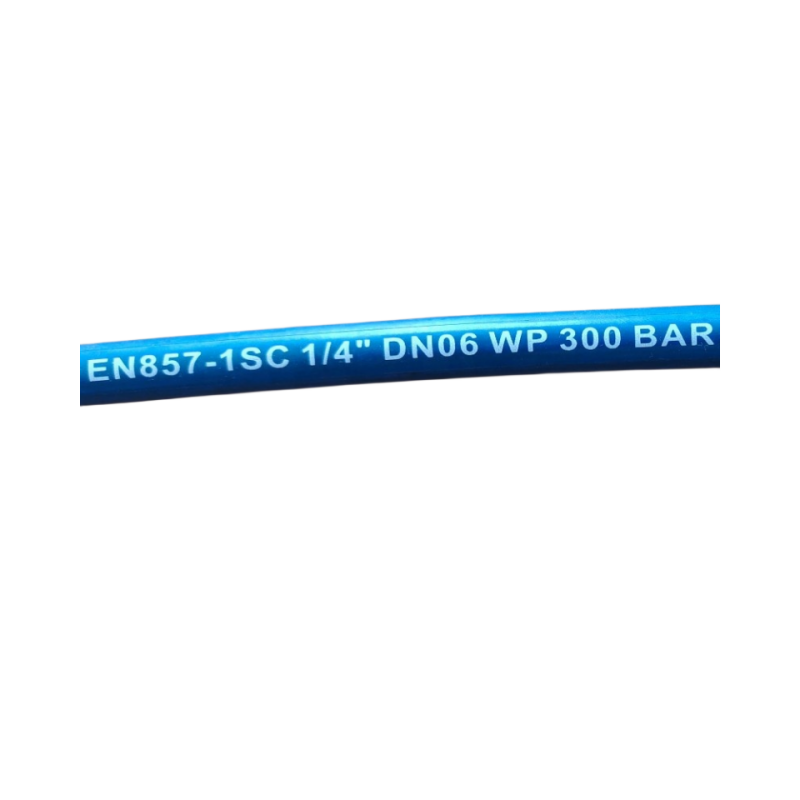
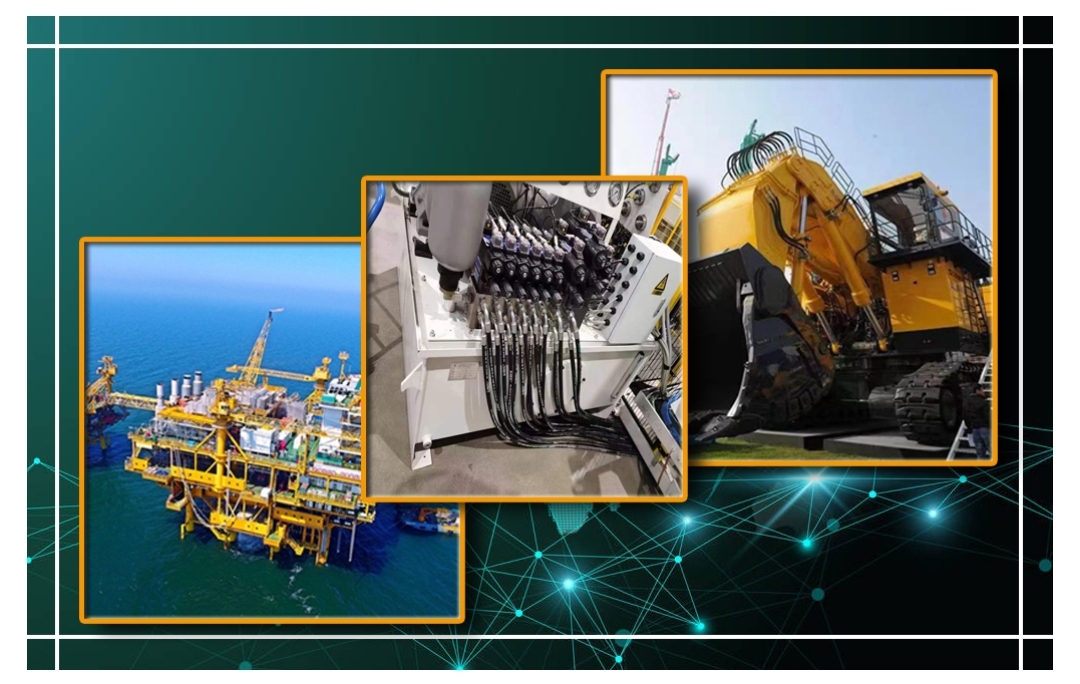
Thermoplastic hydraulic hose represents a critical component in fluid power systems across diverse industries, including construction, agriculture, manufacturing, and oil & gas. Positioned as a flexible conduit for the transmission of hydraulic fluid under pressure, it serves as a direct replacement for, and in some applications a performance upgrade over, traditional rubber-based hoses. Its core functionality lies in delivering pressurized fluid to actuators, motors, and other hydraulic components, enabling power transmission and control. Thermoplastic hose distinguishes itself through its construction – typically featuring a thermoplastic inner tube, reinforcing layers (often comprised of high-tensile synthetic fibers), and an abrasion-resistant outer cover. Key performance characteristics include pressure rating, temperature resistance, fluid compatibility, and flexibility. The increasing demand for lighter weight, higher performance, and improved chemical resistance are driving the adoption of thermoplastic hydraulic hose in increasingly demanding applications. A core pain point within the industry revolves around ensuring consistent quality control during the extrusion and reinforcement processes to guarantee burst pressure performance and long service life, alongside mitigating issues related to compatibility with evolving hydraulic fluid formulations.
Material Science & Manufacturing
The core material within thermoplastic hydraulic hose is typically a thermoplastic polymer, most commonly Polyamide (Nylon 11 or Nylon 12), Polyester (PET), or Polyurethane (PU). Nylon 11 offers superior flexibility and low-temperature performance but is generally more expensive. Nylon 12 balances performance and cost, while Polyester provides excellent abrasion resistance. Polyurethane exhibits excellent oil resistance and flexibility but has lower temperature resistance. The selection of the inner tube material dictates the hose’s compatibility with a broad range of hydraulic fluids, including mineral oils, synthetic esters, phosphate esters, and water-glycol fluids. Reinforcement layers are critical for withstanding internal pressure. These typically consist of multiple plies of high-tensile strength synthetic fibers such as aramid (Kevlar), polyester, or steel wire helix. Aramid offers high strength-to-weight ratio, but is susceptible to degradation from prolonged UV exposure. Polyester is a cost-effective alternative, while steel wire helix provides the highest pressure rating. The outer cover, usually constructed from a blend of thermoplastic elastomers (TPE) or polyurethane, provides abrasion, ozone, and weathering resistance. Manufacturing involves several key processes. Extrusion forms the inner tube and outer cover. Reinforcement layers are wound onto the inner tube via a helical or braided process. Critical parameters include extrusion temperature, winding tension, and curing conditions (for PU covers). Precise control over these parameters is vital to achieve uniform wall thickness, consistent reinforcement density, and optimal bonding between layers. Quality control employs non-destructive testing methods like eddy current testing to detect flaws in steel wire reinforcement and pressure testing to verify burst strength.
Performance & Engineering
Performance of thermoplastic hydraulic hose is fundamentally governed by its ability to withstand internal pressure without failure. Burst pressure, working pressure (typically 50% of burst pressure), and impulse pressure ratings are critical specifications. These ratings are determined through hydrostatic testing according to industry standards (see Section 7). Flexibility, defined by bend radius, is also crucial, particularly in confined spaces. The polymer selection and reinforcement configuration significantly impact flexibility. Temperature resistance is another key factor; exceeding the specified temperature limits can lead to material degradation and reduced pressure capacity. Hydraulic fluid compatibility is paramount. Incompatibility can result in swelling, softening, or cracking of the inner tube, leading to leaks and system failure. Environmental resistance – exposure to ozone, UV radiation, and abrasive environments – dictates the longevity of the outer cover. Force analysis considers hoop stress (circumferential stress due to internal pressure) and longitudinal stress (axial stress due to pressure and bending). Reinforcement layers are designed to counteract these stresses. Compliance requirements vary by region and application. For example, applications involving fire-resistant fluids require hoses meeting specific flame-retardancy standards. Functional implementation involves proper hose assembly using appropriate fittings and crimping techniques. Incorrect assembly can significantly reduce the hose’s performance and lifespan.
Technical Specifications
| Parameter | Nylon 11 | Nylon 12 | Polyester | Polyurethane |
|---|---|---|---|---|
| Working Pressure (PSI) | 6000 | 5000 | 4000 | 4500 |
| Burst Pressure (PSI) | 12000 | 10000 | 8000 | 9000 |
| Temperature Range (°F) | -40 to +212 | -40 to +194 | -40 to +212 | -22 to +176 |
| Fluid Compatibility | Excellent (Most Fluids) | Good (Mineral Oils, Synthetics) | Good (Mineral Oils) | Excellent (Oils, Some Synthetics) |
| Abrasion Resistance | Good | Good | Excellent | Good |
| Flexibility (Bend Radius Ratio) | 4:1 | 5:1 | 6:1 | 3:1 |
Failure Mode & Maintenance
Failure modes in thermoplastic hydraulic hose are diverse, stemming from both material degradation and mechanical stress. Fatigue cracking, particularly at the bend radius, is a common issue, initiated by repeated flexing and pressure cycling. Delamination – separation of reinforcement layers – reduces the hose’s ability to withstand pressure and can lead to catastrophic failure. Degradation of the inner tube due to fluid incompatibility manifests as swelling, softening, or cracking, resulting in leaks. Oxidation of the outer cover, caused by exposure to ozone and UV radiation, leads to cracking and loss of abrasion resistance. Abrasion damage from external contact compromises the outer cover’s protective function. Crimping failures at the fitting interface can result in leaks or complete separation. Maintenance practices are critical for extending hose life. Regular visual inspections for signs of cracking, abrasion, or leaks are essential. Hoses should be replaced if any damage is observed. Proper storage – away from direct sunlight, heat, and ozone sources – is crucial. Fluid flushing and filtration systems should be employed to maintain fluid cleanliness and prevent contamination. Avoid sharp bends and excessive twisting during installation and operation. Correct hose routing and support mechanisms are important to prevent abrasion and stress concentration. Pressure spikes should be minimized through the use of accumulators or pressure relief valves.
Industry FAQ
Q: What is the primary advantage of thermoplastic hose over traditional rubber hose?
A: Thermoplastic hose offers several key advantages. It generally exhibits superior chemical resistance, especially to synthetic hydraulic fluids. It’s typically lighter in weight, which reduces system inertia and improves responsiveness. Thermoplastic materials generally provide tighter dimensional control during manufacturing, leading to more consistent performance. Additionally, thermoplastic hoses often exhibit lower permeability, reducing fluid loss.
Q: How does the reinforcement layer affect the hose’s performance?
A: The reinforcement layer is crucial for withstanding internal pressure. The material and configuration of the reinforcement determine the hose's burst pressure and impulse pressure ratings. Aramid reinforcement provides a high strength-to-weight ratio, but steel wire helix offers the highest pressure capacity. The number of layers and the winding angle also impact the hose’s flexibility and resistance to kinking.
Q: What fluid compatibility considerations are most important?
A: Selecting a hose compatible with the hydraulic fluid is paramount. Incompatibility can lead to swelling, softening, cracking, or loss of elasticity of the inner tube. Always consult compatibility charts provided by the hose manufacturer. When switching hydraulic fluids, ensure the hose is compatible with the new fluid before use.
Q: What are the common causes of hose failure in high-temperature applications?
A: High temperatures can degrade the thermoplastic material, reducing its pressure capacity and flexibility. Prolonged exposure to elevated temperatures can cause the inner tube to soften and the outer cover to crack. Using a hose with a temperature rating appropriate for the application is critical. Furthermore, ensure that the hydraulic fluid remains within its specified temperature range.
Q: How do I ensure proper hose assembly to maximize its lifespan?
A: Proper assembly is vital. Use fittings designed for thermoplastic hose and ensure they are correctly sized and crimped using a calibrated crimping machine. Incorrect crimping can lead to leaks or premature failure. Follow the hose manufacturer’s assembly instructions meticulously. Avoid over-tightening or under-tightening the crimp.
Conclusion
Thermoplastic hydraulic hose represents a significant advancement in fluid power technology, offering a compelling combination of performance, durability, and chemical resistance. Its selection requires careful consideration of application-specific factors, including pressure requirements, temperature range, fluid compatibility, and environmental conditions. Proper material selection, manufacturing control, and maintenance practices are all vital to ensuring optimal performance and a long service life.
The continued development of new thermoplastic materials and reinforcement technologies promises to further enhance the capabilities of hydraulic hose, enabling its application in increasingly demanding environments. Future trends include the development of self-healing polymers, enhanced abrasion resistance coatings, and integrated sensor technologies for real-time monitoring of hose condition and performance. Adopting these advancements will be critical for maintaining reliability and efficiency in hydraulic systems.