
Apr . 01, 2024 17:55 Back to list
Thermoplastic Hose Supplier Performance Analysis

Introduction
Thermoplastic hoses are a critical component in a vast array of industrial fluid transfer applications, encompassing sectors such as agriculture, automotive, construction, and chemical processing. These hoses are characterized by their polymeric construction, offering flexibility, corrosion resistance, and cost-effectiveness compared to traditional metallic tubing. Their technical position within the supply chain involves raw material polymer production (polypropylene, polyethylene, PVC, TPU, etc.), extrusion and reinforcement processes, and final assembly. Core performance characteristics center around pressure rating, temperature resistance, chemical compatibility, and burst strength. A significant industry pain point is maintaining consistent performance across varying fluid types and operating conditions, coupled with ensuring long-term durability and compliance with stringent safety regulations. Furthermore, minimizing permeation of transferred fluids and maintaining flexibility at low temperatures are recurring engineering challenges. The selection of appropriate thermoplastic hose materials and construction methods directly impacts system efficiency, safety, and lifecycle costs.
Material Science & Manufacturing
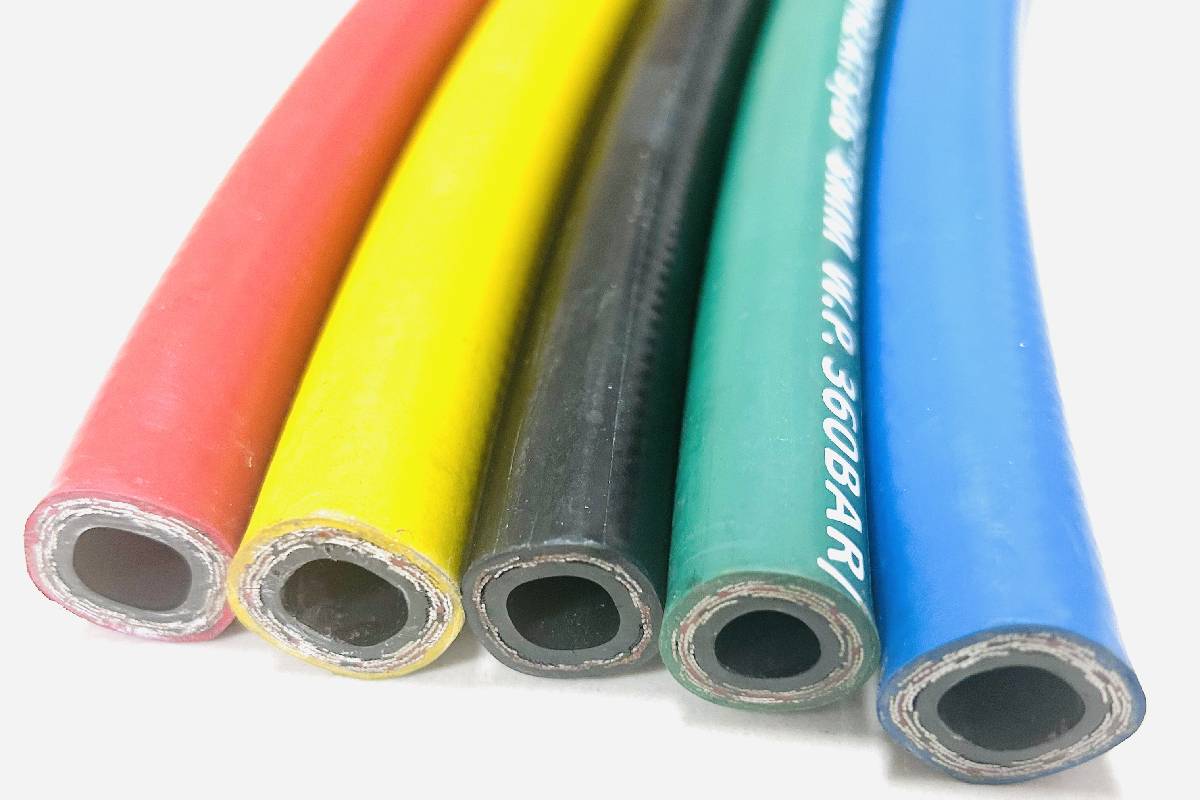
Thermoplastic hose fabrication relies heavily on the properties of various polymers. Polypropylene (PP) offers good chemical resistance and low density but limited temperature range. Polyethylene (PE), including LDPE, HDPE, and LLDPE, provides flexibility and cost-effectiveness, albeit with lower pressure capacity. Polyvinyl Chloride (PVC) excels in abrasion resistance and chemical inertness, though it can become brittle at low temperatures and may contain plasticizers that leach over time. Thermoplastic Polyurethane (TPU) offers superior abrasion, oil, and low-temperature flexibility. Raw materials often incorporate additives like UV stabilizers, antioxidants, and flame retardants to enhance performance. The primary manufacturing process is extrusion. In this process, polymer pellets are melted and forced through a die to form the hose’s inner and outer layers. Key parameter control involves maintaining consistent melt temperature (typically 180-250°C depending on the polymer), die pressure (critical for wall thickness uniformity), and cooling rate. Reinforcement layers, commonly braided textile (polyester, nylon) or spiraled high-tensile wire, are applied during or immediately after extrusion to enhance pressure resistance. Post-extrusion processes include sizing, cutting, and fitting attachment. The quality of the reinforcement adhesion is paramount; inadequate adhesion leads to delamination and premature failure. Careful consideration of polymer compatibility with reinforcement materials is crucial.
Performance & Engineering
The performance of thermoplastic hoses is dictated by several engineering principles. Burst pressure is determined by the reinforcement layer's tensile strength and the polymer’s yield strength, utilizing the Barlow's formula as a foundational calculation. Temperature resistance is a key consideration; polymers exhibit temperature-dependent mechanical properties. Elevated temperatures reduce tensile strength and increase creep, while low temperatures can induce brittleness. Chemical compatibility is assessed through immersion testing, evaluating swelling, degradation, and permeation rates. Permeation, the diffusion of fluids through the hose wall, is a critical concern, particularly for hazardous or sensitive materials. Force analysis incorporates hoop stress calculations to determine the hose's ability to withstand internal pressure. Compliance requirements vary by application and region. For food-grade applications, hoses must comply with FDA regulations (21 CFR 177) and NSF standards. For hydraulic systems, SAE J517 standards dictate pressure ratings and performance characteristics. Environmental resistance is crucial, encompassing UV exposure (leading to polymer degradation), ozone cracking, and weathering. Selection of appropriate polymer blends and additives mitigates these effects.
Technical Specifications
| Parameter | Unit | PVC Hose | TPU Hose |
|---|---|---|---|
| Working Pressure | psi | 300 | 500 |
| Burst Pressure | psi | 900 | 1500 |
| Temperature Range | °F | -20 to 150 | -40 to 200 |
| Tensile Strength | MPa | 55 | 70 |
| Elongation at Break | % | 300 | 400 |
| Chemical Resistance | Rating (1-5) | 4 | 5 |
Failure Mode & Maintenance
Thermoplastic hoses are susceptible to several failure modes. Fatigue cracking, induced by cyclical pressure fluctuations, initiates at stress concentration points (e.g., fitting interfaces). Delamination occurs when the reinforcement layer separates from the polymer matrix, often due to poor adhesion or excessive stress. Chemical degradation arises from incompatible fluids causing swelling, embrittlement, or dissolution of the polymer. Oxidation, particularly at elevated temperatures, leads to crosslinking and loss of flexibility. Abrasion wear occurs from internal fluid flow or external contact with abrasive surfaces. Regular visual inspection is crucial, checking for cracks, bulges, discoloration, and leaks. Pressure testing can detect hidden weaknesses. Hoses should be stored in a cool, dry environment away from direct sunlight. Avoid kinking or sharp bending, as this can induce stress concentrations. When disconnecting hoses, ensure the system is depressurized. Periodic replacement, based on service life and operating conditions, is essential to prevent catastrophic failures. Maintain records of hose installation dates and usage profiles for proactive maintenance planning. Correct fitting selection and proper installation torque are critical for preventing leaks and premature wear.
Industry FAQ
Q: What is the impact of UV exposure on the lifespan of a thermoplastic hose?
A: Prolonged UV exposure causes photodegradation of the polymer matrix, leading to embrittlement, cracking, and reduced tensile strength. UV stabilizers are incorporated into the polymer formulation to mitigate this effect, but their effectiveness diminishes over time. Regular inspection and replacement of hoses exposed to significant sunlight are recommended.
Q: How does temperature affect the working pressure rating of a thermoplastic hose?
A: Elevated temperatures reduce the polymer's yield strength, thereby decreasing the hose's ability to withstand internal pressure. Pressure ratings are typically specified at a standard temperature (e.g., 73°F). Derating factors must be applied when operating at higher temperatures, as specified by the manufacturer.
Q: What are the key considerations when selecting a thermoplastic hose for hydraulic applications?
A: For hydraulic systems, select a hose that meets or exceeds the SAE J517 standard. Consider the working pressure, burst pressure, fluid compatibility, and temperature range. Reinforcement type (wire braid or spiral) significantly impacts pressure capacity. Ensure the hose has appropriate end fittings and is properly installed.
Q: What is permeation, and why is it important in hose selection?
A: Permeation is the diffusion of fluids through the hose wall. It's crucial when transferring hazardous or sensitive materials, as it can lead to environmental contamination or product degradation. The permeation rate depends on the polymer type, fluid properties, and temperature. Select a hose with a low permeation rate for these applications.
Q: What preventative maintenance steps can be taken to extend the life of a thermoplastic hose?
A: Implement a regular inspection schedule, checking for cracks, bulges, leaks, and abrasion. Avoid kinking or sharp bending. Store hoses properly (cool, dry, dark). Ensure proper fitting installation and torque. Replace hoses based on service life and operating conditions. Maintain detailed records of hose usage.
Conclusion
Thermoplastic hoses represent a versatile and cost-effective solution for a wide range of fluid transfer applications. However, optimal performance and longevity are contingent upon a thorough understanding of material properties, manufacturing processes, and potential failure modes. Careful consideration of operating conditions, fluid compatibility, and regulatory requirements is paramount during hose selection. The selection process requires a balance of cost, performance, and long-term reliability.
Future advancements in thermoplastic hose technology will likely focus on developing new polymer blends with enhanced chemical resistance and temperature stability, improving reinforcement materials for increased pressure capacity, and incorporating smart sensors for real-time monitoring of hose condition. Adherence to industry standards (SAE, ISO, ASTM) and proactive maintenance practices remain crucial for maximizing hose lifespan and ensuring safe, efficient fluid transfer operations.