
Apr . 01, 2024 17:55 Back to list
Thermoplastic Hose Performance Analysis
Introduction
Thermoplastic hose represents a significant advancement in fluid transfer technology, offering a versatile alternative to traditional rubber and metal hoses. Positioned within the industrial supply chain between raw polymer production and end-user applications spanning agriculture, automotive, construction, and chemical processing, its core performance characteristics revolve around flexibility, chemical resistance, and cost-effectiveness. Unlike rubber hoses requiring vulcanization, thermoplastic hoses are produced through extrusion and molding of thermoplastic polymers, eliminating the need for curing and enabling complex geometric designs. A primary industry pain point this addresses is the limitation of rubber hoses in handling aggressive chemicals and maintaining dimensional stability under varying temperatures. Furthermore, thermoplastic hoses frequently provide a lighter-weight solution, contributing to reduced shipping costs and easier handling in installation and maintenance scenarios. This guide provides an in-depth analysis of thermoplastic hose, covering material science, manufacturing processes, performance characteristics, failure modes, and relevant industry standards.
Material Science & Manufacturing
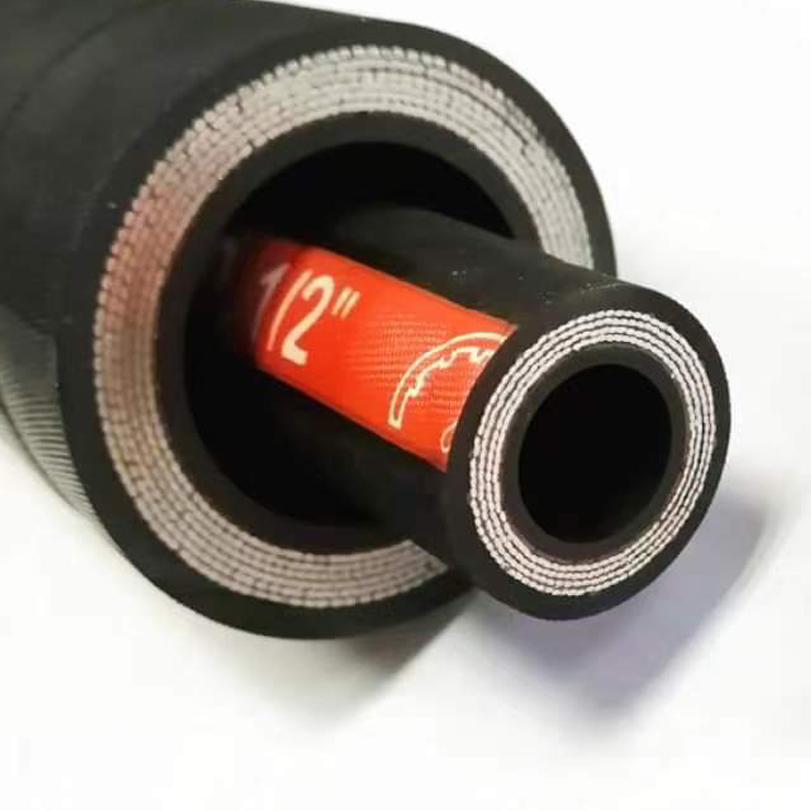
The foundation of thermoplastic hose lies in the selection of appropriate thermoplastic polymers. Commonly used materials include Polyvinyl Chloride (PVC), Polyethylene (PE), Polypropylene (PP), Thermoplastic Polyurethane (TPU), and Polyamide (Nylon). PVC offers excellent chemical resistance and low cost, while PE provides flexibility and impact resistance. PP boasts high temperature resistance and good chemical inertness. TPU combines the elasticity of rubber with the processability of thermoplastics. Nylon provides high tensile strength and abrasion resistance. The physical properties of these polymers—tensile strength, elongation at break, hardness (measured by Shore durometer), and glass transition temperature (Tg)—dictate the hose’s overall performance. Manufacturing typically begins with polymer resin blending, incorporating additives such as plasticizers (for flexibility), stabilizers (to prevent degradation from UV or heat), and pigments (for coloration). The blended material is then processed through extrusion. This involves melting the polymer and forcing it through a die to create a continuous tube. Reinforcement layers, typically braided or spiraled textiles (polyester, nylon, or aramid fibers), are often added during or immediately after extrusion to enhance burst pressure resistance. Critical parameters during extrusion include melt temperature, screw speed, die pressure, and cooling rate. Precise control is vital; deviations can lead to inconsistencies in wall thickness, material degradation, and reduced mechanical properties. Post-extrusion processes may include sizing (to achieve precise inner and outer diameters), printing (for identification markings), and cutting to desired lengths. Quality control utilizes techniques such as dimensional measurement, hydrostatic pressure testing, and tensile strength testing to ensure compliance with specifications.
Performance & Engineering
The performance of thermoplastic hose is determined by several key engineering considerations. Burst pressure, the maximum pressure the hose can withstand before failure, is a primary specification, dictated by the material’s tensile strength and the reinforcement layer’s configuration. Hose wall thickness directly impacts burst pressure; thicker walls generally provide higher pressure ratings. Flexural modulus quantifies the hose's resistance to bending, influencing its flexibility and ability to maintain its shape during use. Environmental resistance is critical, particularly concerning chemical exposure. The polymer’s chemical compatibility with the conveyed fluid must be verified to prevent swelling, degradation, or leaching of plasticizers. Temperature range is also crucial; exceeding the polymer’s operating temperature can lead to softening, loss of pressure resistance, and premature failure. Furthermore, consideration must be given to abrasion resistance, particularly in applications involving abrasive materials or rough surfaces. Fatigue resistance, assessed through cyclic pressure testing, determines the hose’s lifespan under repeated pressure fluctuations. Force analysis during installation and operation considers bending radius; exceeding the minimum bending radius can cause kinking and restricted flow. Compliance requirements often dictate specific performance criteria. For example, food-grade hoses must meet FDA regulations regarding material leachability, while automotive hoses must meet SAE standards for temperature and chemical resistance. Electrostatic dissipative (ESD) hoses are required in applications involving flammable fluids to prevent static electricity build-up and potential ignition.
Technical Specifications
| Material | Operating Pressure (PSI) | Temperature Range (°F) | Burst Pressure (PSI) |
|---|---|---|---|
| PVC | 150 | -20 to 150 | 600 |
| PE | 75 | -60 to 180 | 300 |
| PP | 100 | -20 to 250 | 400 |
| TPU | 200 | -40 to 212 | 800 |
| Nylon | 300 | -40 to 250 | 1200 |
| Reinforced PVC (Braided) | 250 | -20 to 176 | 1000 |
Failure Mode & Maintenance
Thermoplastic hose, despite its durability, is susceptible to several failure modes. Fatigue cracking, initiated by repeated flexing and pressure cycling, is common, particularly near fittings. Delamination, the separation of reinforcement layers from the polymer matrix, reduces burst pressure resistance. Chemical degradation, caused by incompatible fluids, leads to swelling, softening, and eventual failure. Oxidation, exacerbated by exposure to UV light and elevated temperatures, causes material embrittlement. Abrasion, from contact with abrasive substances, thins the hose wall, reducing its pressure rating. Kinking, resulting from excessive bending, restricts flow and can lead to localized stress concentrations. Proper maintenance is crucial for extending hose lifespan. Regular visual inspections should identify signs of cracking, swelling, or abrasion. Avoid exceeding the specified operating pressure and temperature limits. Store hoses in a cool, dry place away from direct sunlight. When handling abrasive materials, use abrasion-resistant hoses or protective sleeves. For minor cracks or abrasions, repair using compatible patching compounds, but consider replacement for significant damage. Flushing the hose periodically with a compatible cleaning solution removes debris and prevents clogging. For food-grade hoses, adhere to strict cleaning and sanitization protocols to prevent contamination. Scheduled replacement based on operating conditions and manufacturer recommendations is essential to prevent catastrophic failure.
Industry FAQ
Q: What is the primary difference between PVC and TPU thermoplastic hose in terms of chemical resistance?
A: PVC generally exhibits excellent resistance to a wide range of inorganic acids, alkalis, and oils. However, it’s susceptible to degradation by ketones, esters, and aromatic hydrocarbons. TPU, on the other hand, demonstrates superior resistance to oils, greases, and many solvents, including those that attack PVC. While PVC is often cheaper, TPU offers better overall chemical resilience for harsh environments.
Q: How does reinforcement braiding affect the burst pressure rating of a thermoplastic hose?
A: Reinforcement braiding significantly increases the burst pressure rating. The braided fibers (typically polyester or nylon) provide tensile strength, resisting the outward expansion of the hose wall under pressure. The type of fiber, braiding angle, and braid density directly correlate with the burst pressure. A tighter, more dense braid with high-strength fibers results in a higher burst pressure.
Q: What considerations should be made regarding the minimum bending radius of thermoplastic hose?
A: Exceeding the minimum bending radius can cause kinking, restricting flow and creating localized stress concentrations. Kinking weakens the hose wall and can lead to premature failure. The minimum bending radius is typically specified by the manufacturer and depends on the hose diameter and material. Maintaining the recommended bending radius ensures optimal performance and longevity.
Q: What are the implications of using a thermoplastic hose outside its specified temperature range?
A: Operating a thermoplastic hose outside its specified temperature range can have detrimental effects. Exceeding the upper temperature limit can cause softening, loss of pressure resistance, and accelerated degradation. Operating below the lower temperature limit can lead to embrittlement and cracking, especially during flexing. Maintaining the recommended temperature range is crucial for maintaining mechanical properties and preventing failure.
Q: How important are static dissipation properties in certain thermoplastic hose applications?
A: Static dissipation is critically important when conveying flammable liquids or gases. The friction of fluid flow can generate static electricity within the hose. If not dissipated, this charge can accumulate and create a spark, potentially igniting the flammable substance. ESD-rated hoses incorporate conductive materials to safely dissipate static charge, mitigating the risk of ignition.
Conclusion
Thermoplastic hose offers a compelling combination of performance, cost-effectiveness, and versatility, making it a preferred choice across numerous industries. Its material science foundation, utilizing a diverse range of thermoplastic polymers, allows for tailored solutions to meet specific application requirements. Understanding the manufacturing processes and their associated control parameters is vital for ensuring consistent product quality and performance.
Looking ahead, advancements in polymer technology and reinforcement materials will continue to drive improvements in thermoplastic hose performance. The increasing demand for sustainable materials is prompting research into bio-based thermoplastic polymers, offering environmentally friendly alternatives. Continued refinement of extrusion and molding techniques will enable the production of even more complex hose geometries and integrated functionalities. Proactive maintenance practices and adherence to industry standards are crucial for maximizing the lifespan and reliability of thermoplastic hose systems.