
Apr . 01, 2024 17:55 Back to list
Suction Hose Performance Analysis
Introduction
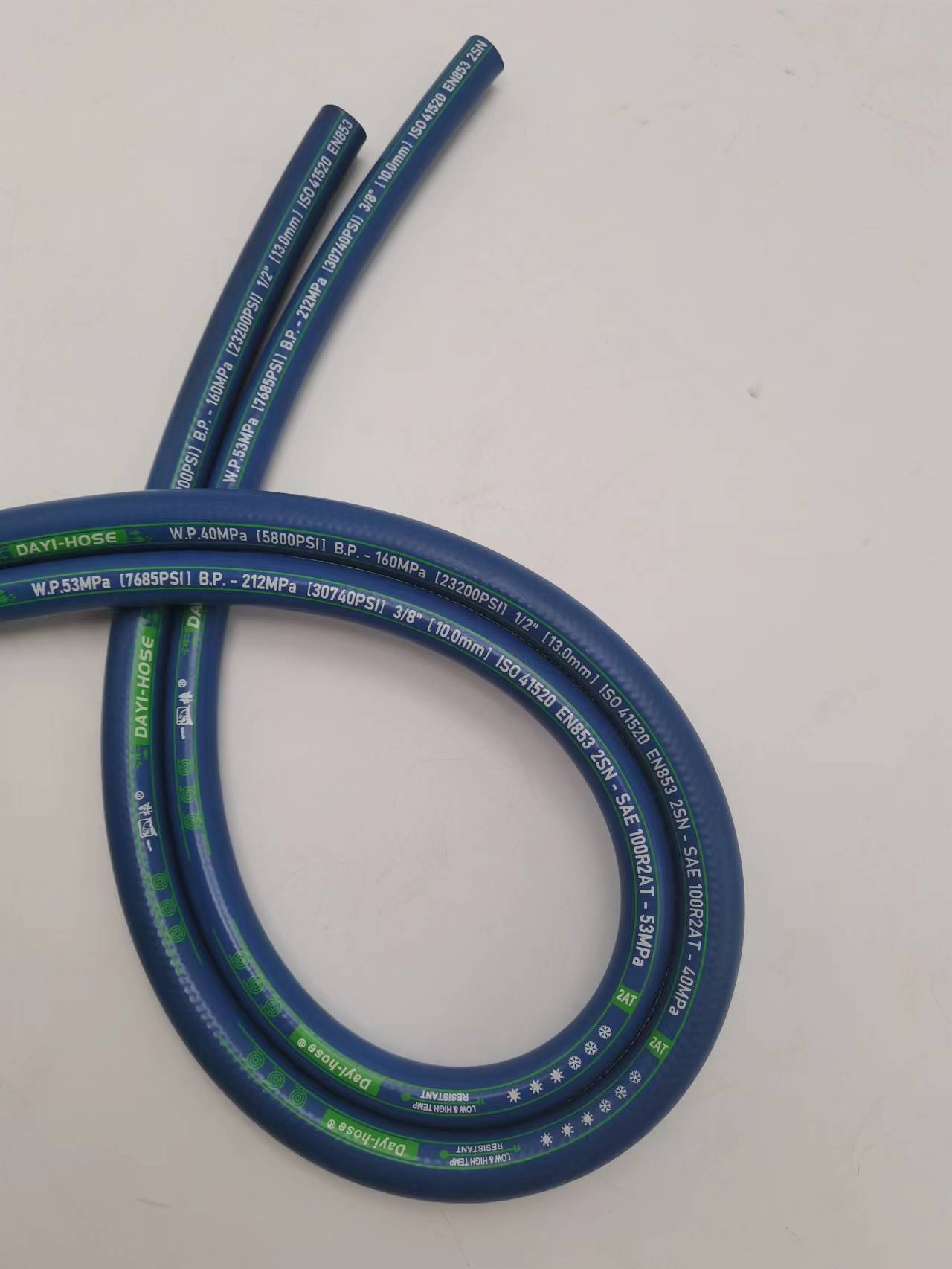
Suction hose is a flexible conduit specifically engineered for transferring fluids from one location to another, typically employed in applications where the source fluid level is lower than the hose’s discharge point. Distinct from pressure hoses designed to withstand internal positive pressure, suction hoses are constructed to resist collapsing under negative pressure – a critical characteristic maintaining flow integrity. Within the industrial fluid handling chain, suction hoses occupy a crucial position, connecting pumps, tanks, and processing equipment, and are found across diverse sectors including agriculture, construction, mining, chemical processing, and marine applications. Core performance attributes encompass flexibility, resistance to kinking, compatibility with transferred media, and the ability to maintain vacuum integrity. The selection of an appropriate suction hose necessitates careful consideration of factors such as fluid type, operating pressure, temperature, and potential abrasion or chemical exposure.
Material Science & Manufacturing
The material selection for suction hose is paramount, dictated by the application’s specific requirements. Common materials include natural rubber (NR), synthetic rubbers like styrene-butadiene rubber (SBR), nitrile rubber (NBR), ethylene propylene diene monomer (EPDM), and thermoplastic materials such as PVC and polyurethane (PU). NR offers excellent flexibility and abrasion resistance but exhibits limited resistance to oil and chemicals. SBR provides a cost-effective alternative with improved abrasion resistance. NBR excels in oil resistance, making it suitable for fuel and oil transfer applications. EPDM demonstrates exceptional resistance to ozone, weathering, and a broad range of chemicals. PVC offers rigidity and chemical resistance, while PU provides superior abrasion resistance and flexibility.
Manufacturing typically involves several stages. For rubber hoses, the process begins with compounding the rubber with reinforcing fillers (e.g., carbon black, silica), plasticizers, and vulcanizing agents. This compound is then extruded through a die to form the hose tube. Reinforcement layers, typically consisting of textile plies (e.g., nylon, polyester) or steel wire helices, are then applied to provide structural support and prevent collapse under vacuum. The reinforcement is often spirally wound or braided onto the tube. Following reinforcement, an outer cover is extruded, providing abrasion resistance and protection against environmental factors. Vulcanization, a heat-induced chemical process, crosslinks the rubber molecules, imparting elasticity and durability. For thermoplastic hoses, manufacturing frequently involves extrusion or thermoforming processes. Extrusion forms a continuous tube, while thermoforming shapes pre-formed sheets of thermoplastic into the desired hose configuration. Parameter control during extrusion—temperature, pressure, and screw speed—is critical for achieving consistent wall thickness and material properties. For reinforced thermoplastic hoses, the reinforcement layer is integrated during or after the extrusion process.
Performance & Engineering
The performance of a suction hose is fundamentally governed by its ability to withstand negative pressure without collapsing. This is determined by the hose’s wall thickness, reinforcement structure, and material properties. Force analysis reveals that the collapsing pressure (the maximum vacuum the hose can withstand) is directly proportional to the radial stiffness of the hose wall and inversely proportional to the hose diameter. A larger diameter hose requires greater radial stiffness to prevent collapse. Environmental resistance is another critical performance factor. Exposure to UV radiation, ozone, extreme temperatures, and corrosive chemicals can degrade the hose material, leading to reduced flexibility, cracking, and ultimately, failure. Chemical compatibility is paramount; the hose material must be resistant to the fluid being transferred to prevent swelling, leaching, or degradation.
Compliance requirements vary depending on the application and region. For example, hoses used in food and beverage applications must comply with FDA regulations regarding material safety and leachability. Hoses used in potable water systems must meet NSF/ANSI standards. Marine hoses often require compliance with ABS or Lloyd’s Register standards. Furthermore, electrostatic dissipative (ESD) hoses are required in applications where flammable fluids are handled to prevent static electricity buildup and potential ignition. Functional implementation often involves considerations for hose length, bend radius, and connection methods (e.g., flanged, threaded, quick-connect). Proper hose selection and installation are crucial for ensuring safe and reliable operation. The selection of appropriate fittings, compatible with the hose material and intended application, is essential to prevent leaks and ensure structural integrity.
Technical Specifications
| Parameter | Unit | Typical Value (Rubber Hose) | Typical Value (PVC Hose) |
|---|---|---|---|
| Working Pressure (Vacuum) | psi | -29 | -20 |
| Burst Pressure | psi | 145 | 87 |
| Temperature Range | °F | -40 to 212 | -20 to 140 |
| Material | - | NBR/SBR with Textile Reinforcement | PVC with PVC Reinforcement |
| Diameter | inches | 1 to 8 | 0.5 to 6 |
| Wall Thickness | inches | 0.12 to 0.5 | 0.06 to 0.25 |
Failure Mode & Maintenance
Suction hoses are susceptible to several failure modes. Fatigue cracking, induced by repeated flexing and pressure cycling, is common, particularly in the reinforcement layer. Delamination, the separation of the hose layers (tube, reinforcement, cover), can occur due to inadequate bonding between layers or exposure to harsh chemicals. Degradation of the rubber or PVC material due to UV exposure, ozone attack, or chemical attack leads to reduced flexibility and eventual cracking. Oxidation, particularly in rubber hoses, causes hardening and embrittlement. Kinking, caused by excessive bending, restricts flow and can damage the reinforcement. Abrasive wear, from contact with abrasive materials, reduces wall thickness and compromises structural integrity.
Preventative maintenance is crucial for extending hose lifespan. Regular visual inspections should be conducted to identify cracks, bulges, or delamination. Hoses should be stored in a cool, dry, and dark location to minimize UV and ozone exposure. Avoid sharp bends and excessive flexing. Flush the hose after each use to remove residual fluid. Implement a hose rotation schedule to distribute wear evenly. In case of damage, the hose should be replaced immediately. Never attempt to repair a damaged suction hose, as repairs are generally unreliable and can lead to catastrophic failure. Proper handling and storage are essential for maintaining hose performance and preventing premature failure. Consider implementing a hose management program to track hose usage, inspection dates, and replacement schedules.
Industry FAQ
Q: What is the primary difference between a suction hose and a pressure hose, and why is this distinction critical?
A: The fundamental difference lies in their ability to withstand opposing pressures. Pressure hoses are designed for internal positive pressure, while suction hoses resist collapsing under negative pressure (vacuum). Using a pressure hose as a suction hose can result in immediate and catastrophic collapse, halting fluid transfer and potentially causing damage to connected equipment. Suction hoses incorporate reinforcement structures designed to prevent inward buckling.
Q: How does the reinforcement material impact the performance characteristics of a suction hose?
A: The reinforcement material dramatically influences the hose’s ability to withstand vacuum, its flexibility, and its resistance to kinking. Textile reinforcement (nylon, polyester) offers good flexibility and moderate vacuum resistance. Steel wire helix reinforcement provides superior vacuum resistance and structural rigidity but is less flexible. The pitch and gauge of the helix also significantly impact performance.
Q: What factors should be considered when selecting a suction hose for handling abrasive slurries?
A: For abrasive slurries, prioritize a hose with a highly abrasion-resistant outer cover, such as polyurethane (PU) or a specially formulated rubber compound. Consider a hose with a thicker wall and a robust reinforcement structure to withstand the impact of abrasive particles. Minimize bend radius to reduce internal abrasion. Regular inspection for wear is critical.
Q: How can I determine the correct hose diameter for a specific application?
A: Hose diameter selection depends on the required flow rate, the distance the fluid needs to be transferred, and the pump’s discharge capacity. Undersized hoses create excessive friction loss, reducing flow rate and increasing energy consumption. Oversized hoses can reduce fluid velocity, potentially causing settling of solids. Consult pump curves and fluid dynamics principles to determine the optimal diameter.
Q: What are the implications of using a suction hose that is not chemically compatible with the fluid being transferred?
A: Incompatibility can lead to swelling, softening, or degradation of the hose material, resulting in leaks, reduced flexibility, and ultimately, hose failure. Chemical attack can also cause leaching of harmful substances into the fluid stream. Always consult a chemical compatibility chart to ensure the hose material is suitable for the intended application.
Conclusion
The selection and implementation of suction hoses are critical components of efficient and safe fluid transfer systems. Understanding the interplay between material science, manufacturing processes, and performance characteristics is essential for optimizing hose selection for specific applications. Factors such as vacuum pressure, fluid compatibility, environmental conditions, and regulatory compliance must be carefully considered to ensure reliable operation and prevent costly failures.
Looking forward, advancements in hose materials and manufacturing techniques will likely focus on enhancing abrasion resistance, chemical compatibility, and overall durability. Increased emphasis on sustainability will drive the development of environmentally friendly hose materials and manufacturing processes. The integration of smart technologies, such as embedded sensors for monitoring hose condition, may also become more prevalent, enabling proactive maintenance and reducing downtime.