
Apr . 01, 2024 17:55 Back to list
Suction and Delivery Hose Performance Analysis
Introduction
Suction and delivery hoses are critical components in fluid transfer systems across diverse industrial applications. These hoses are designed to convey liquids or slurries under pressure (delivery) and to draw fluids into a system against atmospheric pressure (suction). Their performance directly impacts process efficiency, safety, and reliability. Within the broader industrial hose category, suction and delivery hoses are differentiated by their reinforcement structures, material compositions, and ability to withstand both positive and negative pressures, as well as resist collapse under vacuum conditions. A core pain point in industry is premature hose failure due to incompatibility between the hose material and the conveyed fluid, or exceeding pressure/temperature ratings, resulting in costly downtime and potential safety hazards. This guide provides a comprehensive technical overview of suction and delivery hose technology, covering materials, manufacturing, performance characteristics, failure modes, and relevant industry standards.
Material Science & Manufacturing
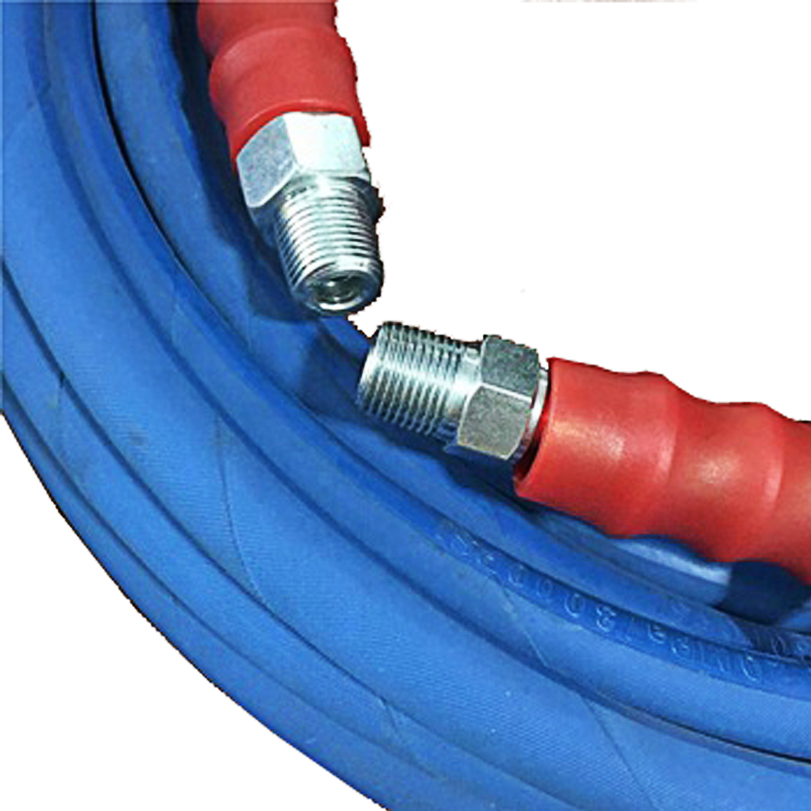
Suction and delivery hoses are typically constructed from a combination of materials chosen for their compatibility with the conveyed fluid, pressure resistance, and flexibility. The core material is often a synthetic rubber compound, with common options including Natural Rubber (NR) for its high elasticity and abrasion resistance, Styrene-Butadiene Rubber (SBR) offering good general-purpose performance and cost-effectiveness, Ethylene Propylene Diene Monomer (EPDM) for exceptional resistance to weathering, ozone, and heat, and Nitrile Rubber (NBR) renowned for its oil and fuel resistance. Polyvinyl Chloride (PVC) is used for lower-pressure applications. Reinforcement layers are crucial for handling negative pressures and preventing collapse. These are commonly comprised of multiple plies of textile reinforcement (polyester, nylon) embedded within the rubber matrix, or a helical steel wire embedded within the wall for higher pressure and vacuum applications. Manufacturing processes vary based on hose construction. Rubber hoses are frequently produced via extrusion, where the rubber compound is forced through a die to form a continuous tube. Reinforcement layers are applied during or immediately after extrusion, followed by vulcanization – a chemical process that cross-links the rubber molecules, imparting strength, elasticity, and durability. PVC hoses utilize extrusion or spiral winding techniques. Parameter control during manufacturing is paramount. Rubber compound formulations must be precisely controlled to ensure consistent physical properties (hardness, tensile strength, elongation). Extrusion temperature and pressure, reinforcement layer tension, and vulcanization time and temperature all critically affect the final hose performance. Improper control can lead to delamination, uneven wall thickness, and compromised mechanical integrity.
Performance & Engineering
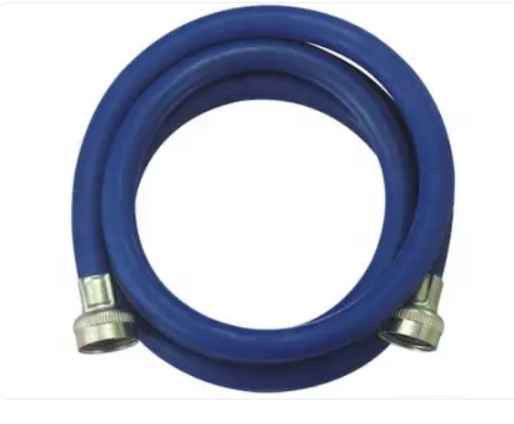
The performance of a suction and delivery hose is dictated by its ability to withstand internal pressure, external vacuum, mechanical stresses, and chemical attack. Force analysis is crucial during design, considering hoop stress (stress within the hose wall due to internal pressure), longitudinal stress (stress along the hose length due to pressure and bending), and radial stress (stress perpendicular to the hose wall). Burst pressure testing determines the maximum pressure the hose can withstand before failure. Suction performance is evaluated by measuring the hose's ability to resist collapse under vacuum, typically expressed as a vacuum rating in inches of mercury (inHg) or kilopascals (kPa). Environmental resistance is vital; hoses must maintain their integrity when exposed to temperature extremes, UV radiation, ozone, and various chemicals. Abrasion resistance is assessed through standardized tests evaluating material loss due to rubbing against abrasive surfaces. Compliance requirements often dictate specific performance criteria. For example, food-grade hoses must meet FDA standards for non-toxicity and leachability. Hoses used in hydraulic systems must comply with SAE standards for pressure ratings and dimensional tolerances. Functional implementation involves selecting the appropriate hose based on the specific application. Factors to consider include fluid type, operating pressure, temperature, flow rate, and bend radius. Incorrect hose selection can lead to premature failure, leaks, and system inefficiencies.
Technical Specifications
| Parameter | Unit | Typical Value (Rubber Hose - General Purpose) | Typical Value (PVC Hose - Light Duty) |
|---|---|---|---|
| Working Pressure | psi | 150 | 50 |
| Burst Pressure | psi | 450 | 150 |
| Vacuum Rating | inHg | 29.9 | 15 |
| Temperature Range | °F | -40 to +212 | -20 to +150 |
| Tensile Strength | psi | 1200 | 800 |
| Elongation at Break | % | 400 | 300 |
Failure Mode & Maintenance
Suction and delivery hoses are susceptible to various failure modes. Fatigue cracking can occur due to repeated flexing and pressure cycling, particularly near fittings. Delamination arises from inadequate bonding between reinforcement layers and the rubber matrix, often caused by improper vulcanization or chemical attack. Chemical degradation results from incompatibility between the hose material and the conveyed fluid, leading to swelling, softening, or cracking. Oxidation, especially in natural rubber, causes hardening and loss of elasticity. Abrasion wear erodes the hose wall due to contact with abrasive materials. Collapse can occur under vacuum if the hose lacks sufficient reinforcement. Maintenance is crucial for extending hose life. Regular visual inspections should identify cracks, abrasions, swelling, or other signs of damage. Hoses should be replaced if any damage is detected. Proper storage is essential; hoses should be stored in a cool, dry place away from direct sunlight and ozone sources. Avoid sharp bends and kinking during operation. Flush hoses periodically to remove residual fluids that may cause degradation. Ensure compatibility between the hose material and the conveyed fluid. Use appropriate fittings and clamps to prevent leaks and ensure a secure connection. Consider implementing a hose management program to track hose age, usage, and maintenance history.
Industry FAQ
Q: What is the primary difference between a suction hose and a delivery hose, and can one be used interchangeably with the other?
A: While both transfer fluids, suction hoses are specifically designed to withstand vacuum conditions and prevent collapse under negative pressure. They have heavier-duty reinforcement, typically a rigid helix. Delivery hoses are designed for positive pressure and may not have the same collapse resistance. Using a delivery hose for suction can result in catastrophic failure. A suction hose can generally be used for delivery, provided its pressure rating exceeds the application's requirements.
Q: How do I determine the correct hose material for a specific chemical application?
A: Chemical compatibility is critical. Consult a chemical resistance chart (available from hose manufacturers) to verify the hose material's resistance to the specific chemical being conveyed. Consider not only the chemical itself but also its concentration and temperature. Incompatibility can lead to rapid degradation and failure.
Q: What impact does temperature have on hose performance and lifespan?
A: Temperature significantly affects hose properties. High temperatures can reduce tensile strength and accelerate degradation. Low temperatures can decrease flexibility and increase the risk of cracking. Always operate the hose within its specified temperature range. Exposure to temperatures outside this range will compromise performance and reduce lifespan.
Q: How important is proper fitting selection and installation, and what are some common mistakes?
A: Proper fitting selection and installation are crucial for preventing leaks and ensuring a secure connection. Common mistakes include using incorrect fitting sizes, overtightening clamps (which can damage the hose wall), and failing to use appropriate sealing mechanisms. Always follow the manufacturer's recommendations for fitting selection and installation procedures.
Q: What are the common signs that a suction and delivery hose needs to be replaced, even if it hasn't reached its expected lifespan?
A: Signs of wear include visible cracks, bulges, abrasions, swelling, discoloration, and stiffness. If the hose exhibits any of these symptoms, it should be replaced immediately, regardless of its age. A noticeable decrease in flow rate or a persistent leak also indicates the need for replacement.
Conclusion
Suction and delivery hoses are engineered components integral to numerous industrial processes. Proper selection, based on a thorough understanding of material science, performance requirements, and potential failure modes, is paramount to ensuring operational safety, efficiency, and longevity. Careful consideration of fluid compatibility, pressure ratings, temperature ranges, and reinforcement structures is essential for mitigating risks and maximizing the service life of these critical components.
Future advancements in hose technology will likely focus on developing materials with enhanced chemical resistance, improved abrasion resistance, and increased flexibility. Smart hose technology, incorporating sensors to monitor pressure, temperature, and structural integrity, may also emerge, enabling predictive maintenance and reducing downtime. A proactive approach to hose management, emphasizing regular inspection, preventative maintenance, and adherence to industry standards, remains the most effective strategy for optimizing hose performance and minimizing lifecycle costs.