
Apr . 01, 2024 17:55 Back to list
steel wire spiral hydraulic hose suppliers Performance Analysis

Introduction
Steel wire spiral hydraulic hose represents a critical component in fluid power systems across diverse industrial applications, including construction equipment, agricultural machinery, and manufacturing processes. These hoses are engineered to convey hydraulic fluid under high pressure, providing the necessary power transmission for efficient operation. Unlike smooth bore or internally ribbed hoses, the steel wire reinforcement embedded within the hose wall provides significantly enhanced pressure resistance, burst strength, and resistance to kinking and collapsing under vacuum or bending stress. This guide will provide a comprehensive analysis of these hoses, covering material science, manufacturing processes, performance characteristics, potential failure modes, and relevant industry standards. A key pain point for procurement managers is ensuring hose performance reliability and compliance to avoid costly downtime and safety hazards, particularly with varying fluid types and operating temperatures. This document serves as a technical resource to address these concerns and facilitate informed decision-making.
Material Science & Manufacturing
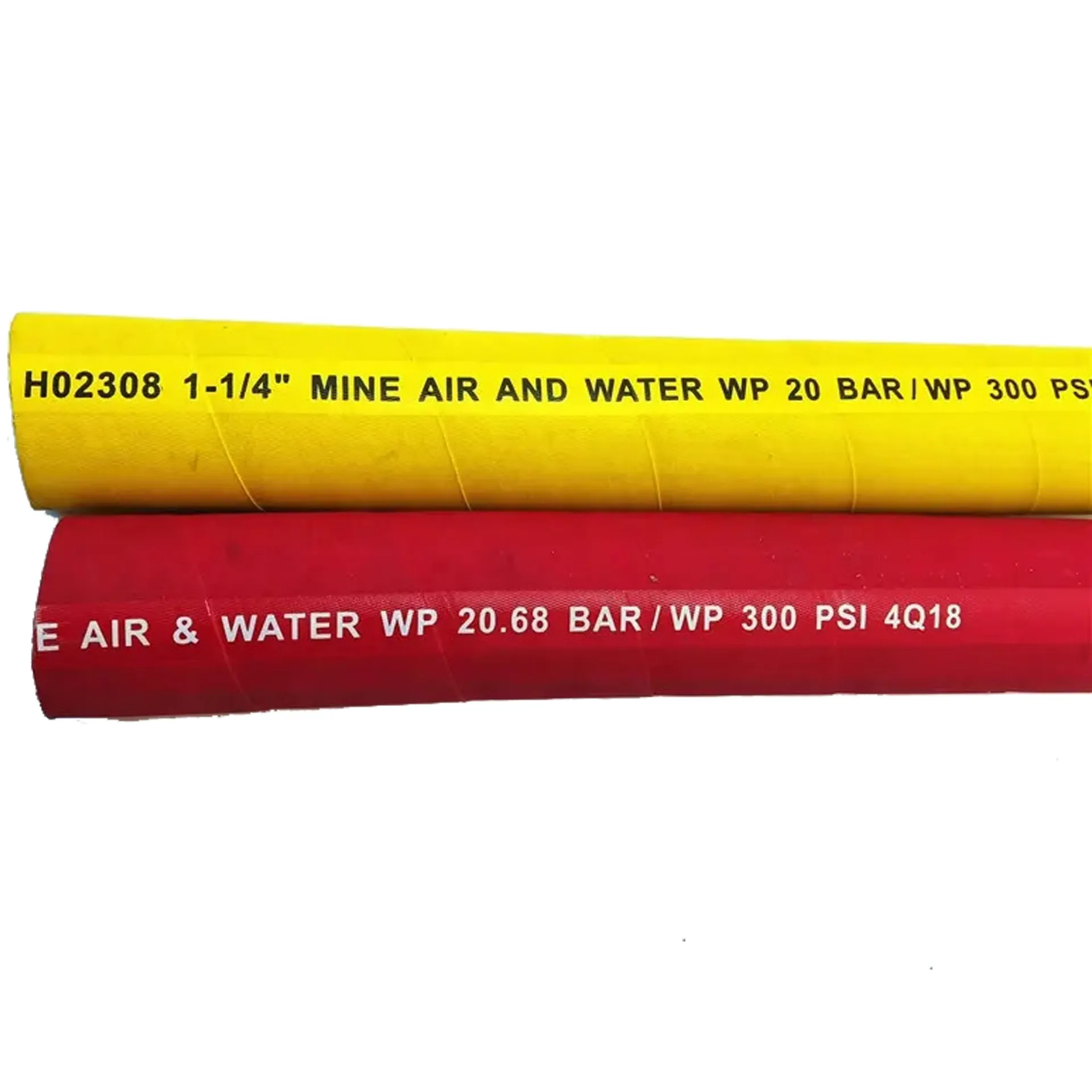
The construction of a steel wire spiral hydraulic hose comprises several key materials. The inner tube, typically formulated from synthetic rubbers like Nitrile (NBR), Ethylene Propylene Diene Monomer (EPDM), or Chloroprene (CR), dictates fluid compatibility and temperature resistance. NBR is commonly used for petroleum-based fluids, EPDM for phosphate ester fluids, and CR offers broader chemical resistance. The reinforcement layer consists of high-tensile steel wire, typically carbon steel, spirally wound to impart pressure resistance. The wire surface treatment (e.g., zinc plating, epoxy coating) is crucial for corrosion protection and adhesion to the surrounding rubber layers. Finally, the outer cover, generally constructed from Chlorinated Polyethylene (CPE) or Polyurethane (PU), provides abrasion, weathering, and ozone resistance. Manufacturing begins with rubber mixing and extrusion for both inner tube and cover. Steel wire is preformed into the spiral shape and then encased within successive layers of rubber using a build-up process. Precise control of temperature, pressure, and curing time is paramount. Vulcanization, the cross-linking of rubber polymers, is performed under controlled heat and pressure to achieve the desired mechanical properties. Parameter control – specifically rubber compound viscosity, wire pitch, and curing temperature – directly influences the hose’s final burst pressure, flexibility, and long-term durability. The steel wire spiral is critical; too tight a pitch can reduce flexibility, and too loose a pitch will compromise pressure handling. Proper bonding between the steel wire and rubber is also essential to prevent separation and eventual failure.
Performance & Engineering
The performance of steel wire spiral hydraulic hose is governed by several engineering principles. Burst pressure is calculated based on the tensile strength of the steel wire, the number of layers of reinforcement, and the geometry of the spiral. Hose diameter and wall thickness are also critical factors. Finite Element Analysis (FEA) is frequently employed to model stress distribution under pressure and bending conditions. A key design consideration is fatigue life, which is affected by cyclic pressure fluctuations and bending radii. Smaller bend radii increase stress concentration, potentially leading to premature failure. Environmental resistance is also crucial; exposure to ozone, UV radiation, and extreme temperatures can degrade the rubber compounds, reducing flexibility and increasing the risk of cracking. Hydraulic fluids themselves can induce swelling or degradation of the inner tube if incompatible. Compatibility charts must be consulted to ensure appropriate material selection. Compliance requirements such as SAE J517 and EN 856 dictate minimum performance standards, including burst pressure, impulse pressure, and temperature range. Furthermore, electrostatic discharge (ESD) can be a concern in certain applications, necessitating the use of conductive rubber compounds to dissipate static electricity. Pressure drop along the hose length is another engineering concern, dependent on hose diameter, fluid viscosity, and flow rate. Minimizing pressure drop improves system efficiency.
Technical Specifications
| Parameter | SAE 100R4 (Typical) | SAE 100R12 (Typical) | EN 856 4SH (Typical) | EN 856 4SP (Typical) |
|---|---|---|---|---|
| Working Pressure (PSI) | 600 | 1200 | 315 bar (4569 PSI) | 420 bar (6091 PSI) |
| Burst Pressure (PSI) | 2400 | 4800 | 1350 bar (19581 PSI) | 1760 bar (25544 PSI) |
| Temperature Range (°F) | -40 to +212 | -40 to +212 | -40 to +100 | -40 to +100 |
| Reinforcement | 4 Spiral Steel Wire | 6 Spiral Steel Wire | 4 Spiral Steel Wire | 6 Spiral Steel Wire |
| Inner Tube | NBR (Synthetic Rubber) | NBR (Synthetic Rubber) | NBR (Synthetic Rubber) | NBR (Synthetic Rubber) |
| Outer Cover | CPE (Chlorinated Polyethylene) | CPE (Chlorinated Polyethylene) | CPE (Chlorinated Polyethylene) | CPE (Chlorinated Polyethylene) |
Failure Mode & Maintenance
Steel wire spiral hydraulic hoses are susceptible to several failure modes. Fatigue cracking, initiated by repeated flexing and pressure cycling, often occurs at the connection points or near areas of high stress concentration. Wire breakage, caused by corrosion or excessive bending, compromises the hose's pressure containment capability. Rubber degradation, stemming from exposure to ozone, UV radiation, or incompatible fluids, leads to loss of flexibility and cracking. Permeation, the gradual diffusion of hydraulic fluid through the rubber, can result in fluid loss and environmental contamination. Delamination, the separation of rubber layers, reduces the hose’s structural integrity. Corrosion of the steel wire, particularly in environments with high humidity or corrosive fluids, significantly weakens the reinforcement. Maintenance involves regular visual inspections for cracks, abrasions, and leaks. Hose should be replaced if any signs of damage are detected. Proper hose routing, avoiding sharp bends and abrasion points, is crucial. Fluid compatibility must be verified before use. Regular pressure testing can identify potential weaknesses. Correct installation with appropriate fittings is also vital to prevent premature failure at the connection points. Furthermore, implementing a preventative maintenance schedule, based on operating hours or calendar intervals, is recommended.
Industry FAQ
Q: What is the impact of using a hose with a lower working pressure than the system's operating pressure?
A: Utilizing a hose with a working pressure lower than the system’s operating pressure is extremely dangerous and will significantly reduce hose life. The hose will be constantly stressed beyond its design limits, leading to premature failure, potentially resulting in catastrophic rupture, fluid spray, and serious injury. Always ensure the hose’s working pressure rating exceeds the maximum system pressure, incorporating a safety factor.
Q: How does temperature affect the performance of a hydraulic hose?
A: Temperature significantly impacts hydraulic hose performance. High temperatures can accelerate rubber degradation, reducing flexibility and burst strength. Low temperatures can cause the rubber to become brittle and less pliable. Exceeding the specified temperature range can lead to premature failure. Selecting a hose with a rubber compound appropriate for the operating temperature is critical.
Q: What are the implications of using incompatible hydraulic fluid with the hose’s inner tube?
A: Incompatible hydraulic fluids can cause the inner tube to swell, soften, or degrade, leading to leaks and eventual hose failure. This is particularly problematic with certain synthetic rubbers that are susceptible to chemical attack. Always consult compatibility charts to verify that the hydraulic fluid is compatible with the hose’s inner tube material.
Q: What is the best method for storing hydraulic hoses to maximize their lifespan?
A: Hydraulic hoses should be stored in a cool, dry, and dark environment, away from direct sunlight, ozone sources (e.g., electric motors), and extreme temperatures. They should be coiled loosely, avoiding tight bends, and supported to prevent kinking. Protective caps should be used to prevent contamination of the hose ends.
Q: How important is proper fitting installation to the longevity of a steel wire spiral hydraulic hose?
A: Proper fitting installation is paramount. Incorrectly installed fittings can create stress concentrations, leading to premature failure at the connection point. Fittings should be properly crimped or swaged to ensure a secure and leak-proof connection. Using the correct fitting type and size for the hose and application is also crucial. Damage to the hose end during installation can also compromise its integrity.
Conclusion
Steel wire spiral hydraulic hoses are essential components in demanding fluid power systems. Their robust construction, facilitated by careful material selection and rigorous manufacturing processes, enables them to withstand high pressures, extreme temperatures, and challenging operating conditions. Understanding the underlying engineering principles, potential failure modes, and relevant industry standards is vital for ensuring reliable performance and maximizing service life. Proper maintenance, including regular inspections and appropriate fluid compatibility, is paramount for preventing catastrophic failures and maintaining operational safety.
Looking forward, advancements in rubber compound technology and reinforcement materials will continue to enhance the performance and durability of these hoses. The development of self-sealing hose constructions and smart hoses equipped with sensors for real-time pressure and temperature monitoring are potential future trends. Adhering to best practices in design, manufacturing, and maintenance will remain crucial for the continued safe and efficient operation of hydraulic systems relying on steel wire spiral hydraulic hoses.