
Apr . 01, 2024 17:55 Back to list
steel wire spiral hydraulic hose Performance Analysis
Introduction
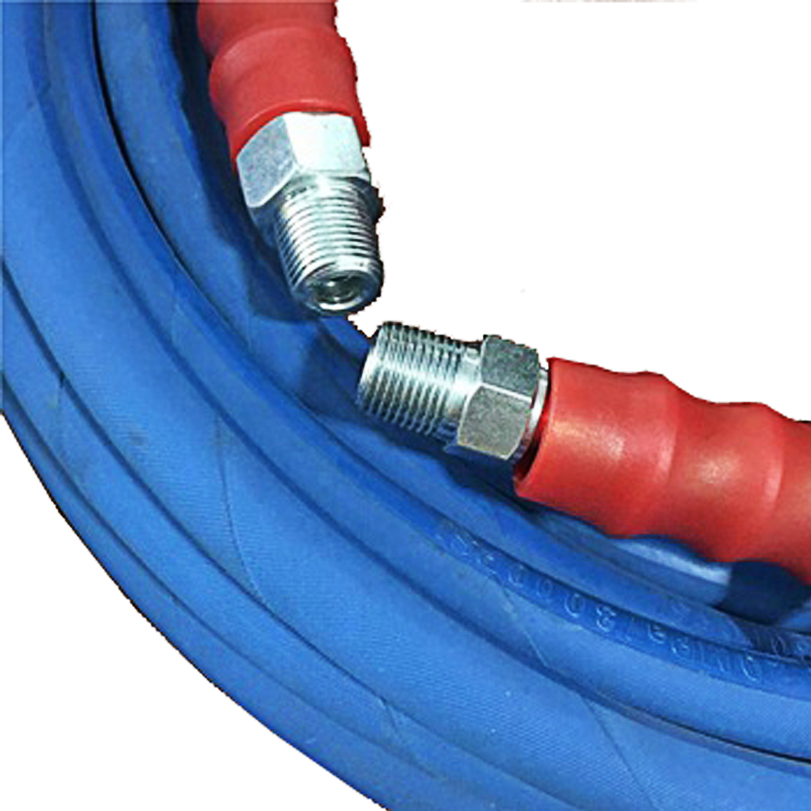
Steel wire spiral hydraulic hose constitutes a critical component in fluid power systems across diverse industrial sectors, including construction, agriculture, mining, and manufacturing. This hose type is specifically engineered for the conveyance of hydraulic fluid under high pressure, characterized by a robust construction featuring multiple layers of reinforcement. Its core functionality centers on transferring hydraulic power to operate machinery and equipment. The defining feature is the spirally wound steel wire embedded within the hose structure, providing exceptional pressure resistance and preventing kinking or collapsing under demanding operational conditions. Compared to non-reinforced hose or braided hose, steel wire spiral hose offers significantly higher working pressures and a greater operational lifespan, making it crucial in applications where failure is not an option. Core performance characteristics include burst pressure, working pressure, temperature range, and fluid compatibility, all of which dictate the suitability of the hose for specific applications. Addressing the industry pain point of fluid leakage and downtime, this hose type provides a secure and reliable fluid transfer solution.
Material Science & Manufacturing
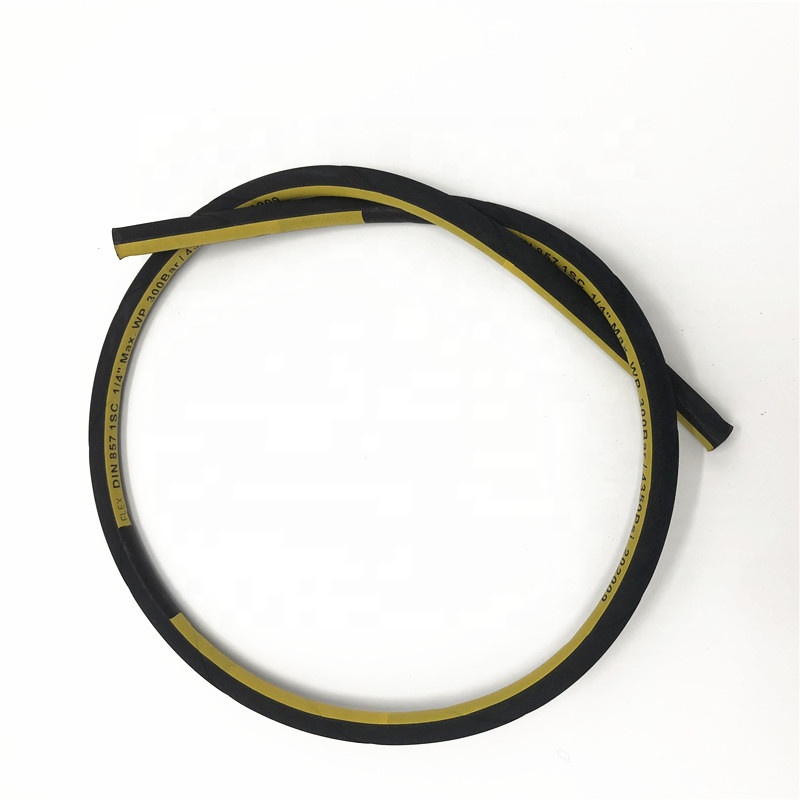
The construction of steel wire spiral hydraulic hose involves a sophisticated interplay of material science and manufacturing processes. The inner tube typically consists of oil-resistant synthetic rubber, such as nitrile rubber (NBR), chloroprene rubber (CR), or ethylene propylene diene monomer (EPDM), chosen based on fluid compatibility. NBR exhibits excellent resistance to petroleum-based oils, while CR offers superior resistance to heat and weathering. EPDM is preferred for phosphate ester fluids. The reinforcement layer is composed of high-tensile steel wire, usually carbon steel, spirally wound around the inner tube. The wire gauge and pitch (spacing) are critical parameters controlling the hose's pressure rating and flexibility. An outer cover, generally manufactured from chloroprene rubber (CR) or polyurethane (PU), provides protection against abrasion, weathering, and chemical attack.
The manufacturing process begins with the extrusion of the inner tube. Subsequently, the steel wire is precisely wound onto the tube using specialized winding machines, maintaining consistent tension and pitch. This is followed by the application of a bonding agent to ensure adhesion between the wire and the surrounding rubber layers. The outer cover is then extruded over the reinforced structure. Vulcanization, a crucial curing process, is performed to crosslink the rubber compounds, enhancing their strength, elasticity, and resistance to degradation. Key parameters during vulcanization include temperature, pressure, and time. Post-vulcanization, the hose undergoes rigorous testing, including pressure testing, impulse testing, and dimensional checks, to ensure compliance with industry standards. Quality control focuses on ensuring proper bonding between layers, consistent wire winding, and absence of defects like pinholes or voids.
Performance & Engineering
The performance of steel wire spiral hydraulic hose is fundamentally governed by principles of fluid mechanics and material strength. Force analysis considers internal pressure, tensile stress in the steel wire, and shear stress between layers. The burst pressure, typically four times the working pressure, is a critical safety parameter. Hose flexibility, or bend radius, impacts installation and operational ease. Impulse testing, simulating pressure fluctuations in hydraulic systems, assesses the hose’s ability to withstand cyclic loading without failure. Environmental resistance is paramount, as hoses are frequently exposed to temperature extremes, UV radiation, and corrosive substances. The material selection directly influences resistance to these factors. Compliance requirements dictate adherence to standards like SAE J517, EN 856, and DIN EN 853, which specify performance criteria and testing procedures.
Engineering considerations also encompass fluid compatibility. Incorrect fluid selection can lead to swelling, softening, or degradation of the inner tube, resulting in leakage or failure. The selection of hose end fittings is equally important; they must be compatible with the hose material and designed to withstand the operating pressure. Proper installation practices, including avoiding sharp bends and ensuring adequate support, are crucial for maximizing hose lifespan. Furthermore, proper hose routing minimizes abrasion and exposure to damaging elements. Static electricity buildup can occur during fluid flow, potentially igniting flammable fluids; therefore, conductive hoses or grounding measures may be necessary.
Technical Specifications
| Parameter | Unit | SAE J517 - R15 | EN 856 - 4SH |
|---|---|---|---|
| Working Pressure | MPa | 31.5 | 25 |
| Burst Pressure | MPa | 126 | 100 |
| Temperature Range | °C | -40 to +100 | -40 to +100 |
| Inner Tube Material | - | NBR | NBR |
| Reinforcement | - | Multiple Steel Wire Spiral | Multiple Steel Wire Spiral |
| Outer Cover Material | - | CR | CR |
Failure Mode & Maintenance
Steel wire spiral hydraulic hose is subject to various failure modes in practical applications. Fatigue cracking, initiated by repeated pressure cycling, is a common occurrence, particularly at the hose ends or around fittings. Delamination, the separation of layers, can result from improper bonding or exposure to incompatible fluids. Abrasion, caused by rubbing against surfaces, degrades the outer cover, exposing the reinforcement layer to corrosion. Oxidation of the steel wire, especially in humid environments, weakens the reinforcement and reduces pressure capacity. Kinking, while less frequent due to the steel wire structure, can occur if the hose is bent beyond its minimum bend radius. Permeation, the slow leakage of fluid through the hose wall, is a concern for certain fluids over extended periods.
Preventive maintenance is crucial for extending hose lifespan and ensuring operational safety. Regular visual inspections should identify signs of wear, abrasion, cracking, or leakage. Pressure testing, conducted periodically, verifies the hose’s integrity. Proper storage, protected from UV radiation, extreme temperatures, and chemicals, minimizes degradation. When replacing hoses, it’s essential to use compatible fittings and follow proper installation procedures. Avoid over-tightening fittings, which can damage the hose end. If leakage is detected, the hose should be replaced immediately. Routine cleaning removes contaminants that can accelerate wear. Records of inspections and replacements provide valuable insights into hose performance and help optimize maintenance schedules.
Industry FAQ
Q: What is the primary advantage of steel wire spiral hose over braided hose in high-pressure applications?
A: Steel wire spiral construction offers significantly higher pressure ratings and improved resistance to kinking or collapse compared to braided hose. The spiral winding provides greater hoop strength, enabling the hose to withstand higher internal pressures without deformation. This makes it ideal for applications involving heavy machinery and dynamic loads.
Q: How does temperature affect the performance of a steel wire spiral hydraulic hose?
A: Extreme temperatures can degrade the rubber compounds used in the inner tube and outer cover, reducing their flexibility and resistance to wear. High temperatures accelerate oxidation and can cause the hose to harden and crack. Low temperatures can make the hose brittle and more susceptible to damage. Always operate the hose within its specified temperature range.
Q: What type of fluid is incompatible with a standard NBR inner tube?
A: NBR is generally incompatible with phosphate ester hydraulic fluids, as these fluids can cause the rubber to swell and degrade rapidly. For phosphate ester fluids, an EPDM inner tube is recommended to ensure fluid compatibility and prevent hose failure.
Q: How often should steel wire spiral hydraulic hoses be inspected for wear and damage?
A: Inspection frequency depends on the severity of the application. For critical applications or harsh environments, monthly inspections are recommended. For less demanding applications, quarterly inspections may suffice. Inspections should include a visual check for abrasion, cracking, leakage, and proper fitting connections.
Q: What is the proper procedure for storing unused steel wire spiral hydraulic hose?
A: Unused hose should be stored in a cool, dry, and dark location, away from direct sunlight, UV radiation, and heat sources. The hose should be coiled loosely to avoid kinking. Avoid storing hose in contact with chemicals or solvents. Protect the hose ends from damage.
Conclusion
Steel wire spiral hydraulic hose represents a sophisticated engineering solution for high-pressure fluid conveyance. Its robust construction, utilizing a combination of oil-resistant rubber, high-tensile steel wire, and durable outer covers, delivers exceptional performance and reliability. Understanding the material properties, manufacturing processes, and potential failure modes is crucial for selecting the appropriate hose for a given application and implementing effective maintenance practices. Adherence to industry standards like SAE J517 and EN 856 ensures consistent quality and safety.
The continued advancement of hydraulic systems demands increasingly robust and reliable hose technology. Future developments may focus on incorporating advanced materials, such as thermoplastic polymers and composite reinforcements, to further enhance pressure ratings, reduce weight, and improve chemical resistance. Moreover, the integration of sensor technology into hose structures could enable real-time monitoring of pressure, temperature, and strain, providing valuable insights for predictive maintenance and preventing catastrophic failures. Proper selection, installation and maintenance of steel wire spiral hydraulic hose remains paramount to ensure the safe and efficient operation of hydraulic systems across all industries.