
Apr . 01, 2024 17:55 Back to list
steel wire spiral hydraulic hose manufacturers Performance Analysis
Introduction
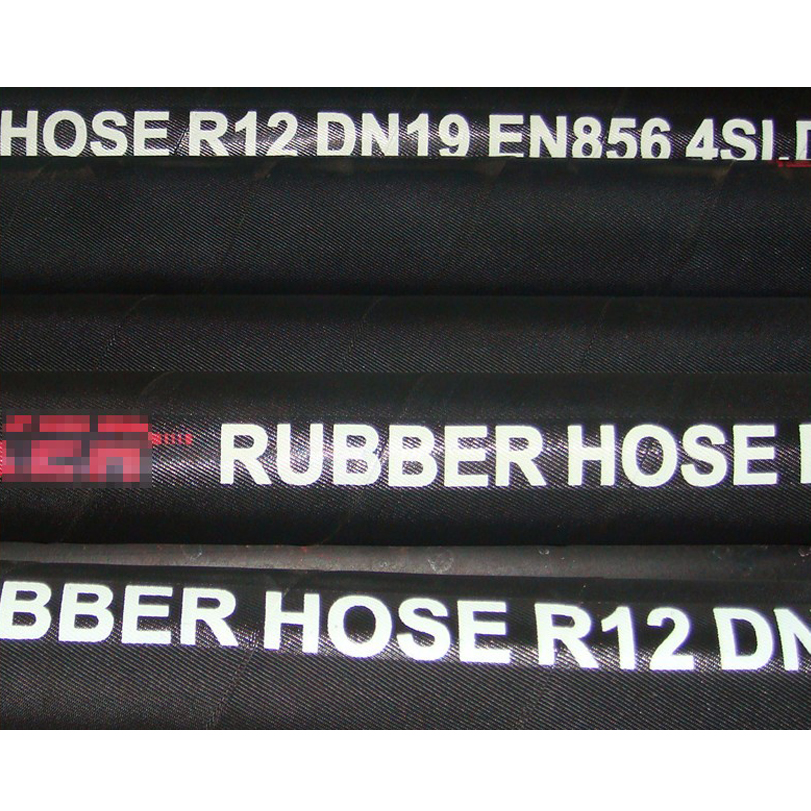
Steel wire spiral hydraulic hose is a critical component in hydraulic systems across a wide range of industries, including construction, agriculture, manufacturing, and oil & gas. These hoses are engineered to convey hydraulic fluid under high pressure and in demanding environmental conditions. Their construction, featuring multiple layers of reinforcement including steel wire spiraling, distinguishes them from simpler rubber hose and positions them as a robust solution for heavy-duty applications. The industry's core challenge revolves around ensuring consistent burst pressure, resisting abrasion and external damage, and maintaining flexibility over a broad temperature range. This guide provides a comprehensive technical overview of steel wire spiral hydraulic hose, covering material science, manufacturing processes, performance characteristics, failure modes, and relevant industry standards. Performance is typically measured by working pressure, burst pressure, and temperature range, all critical factors in preventing catastrophic system failure and ensuring operator safety. Core performance attributes include resistance to hydraulic fluid degradation, external abrasion, and fatigue caused by repeated flexing.
Material Science & Manufacturing
The construction of steel wire spiral hydraulic hose relies on a carefully selected combination of materials. The inner tube, which comes into direct contact with the hydraulic fluid, is typically composed of synthetic rubber compounds such as Nitrile (NBR), Ethylene Propylene Diene Monomer (EPDM), or Chlorinated Polyethylene (CM). NBR offers excellent resistance to petroleum-based hydraulic fluids, while EPDM provides superior resistance to heat, ozone, and weathering. CM is chosen for its compatibility with environmentally friendly phosphate ester fluids. The reinforcement layer consists of multiple spirals of high-tensile steel wire, typically coated with zinc for corrosion protection. The wire gauge and spiral pitch directly influence the hose’s pressure rating and flexibility. An outer cover, usually made of Chloroprene (CR) rubber, provides protection against abrasion, ozone, UV radiation, and oil.
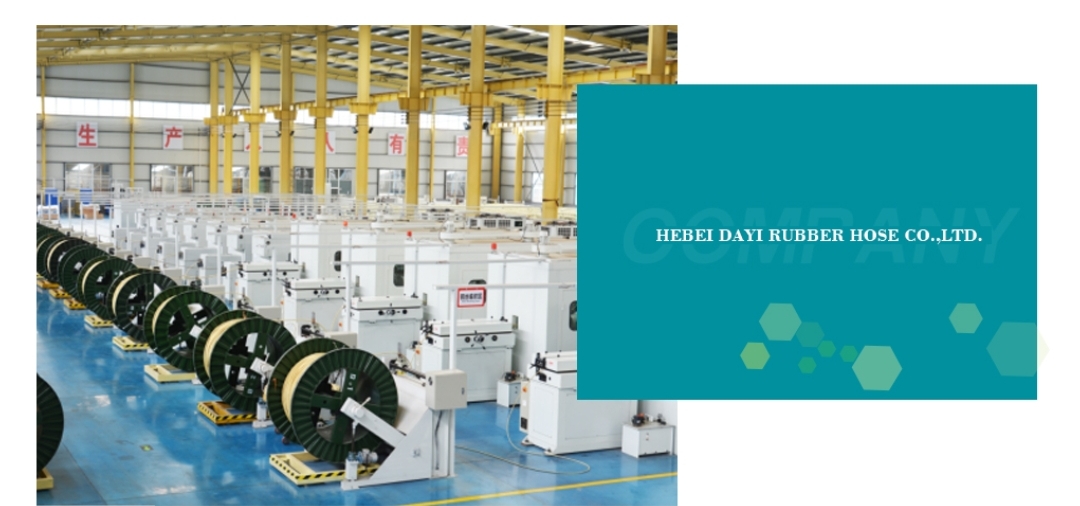
Manufacturing involves a complex layering process. First, the inner tube is extruded to the desired dimensions. Subsequently, the steel wire is spirally wound onto the inner tube using specialized winding machines. The precise tension and spacing of the wire are critical parameters. Following wire winding, the outer cover is extruded over the reinforcement layer. Curing, or vulcanization, is the final step, involving heating the hose under pressure to crosslink the rubber compounds and bond the layers together. Key parameter control during manufacturing includes maintaining consistent rubber compound viscosity, ensuring accurate wire tension, and controlling the curing temperature and time. Variations in these parameters can significantly impact the hose’s performance and lifespan. The zinc coating on the steel wire is often applied via a galvanizing process and its thickness is crucial for corrosion resistance; regular coating inspection is essential.
Performance & Engineering
The performance of steel wire spiral hydraulic hose is dictated by several key engineering principles. Burst pressure, the maximum pressure the hose can withstand before failure, is determined by the tensile strength of the steel wire and the number of reinforcement layers. The hose’s flexibility is inversely proportional to the wire pitch and gauge. A higher wire pitch results in greater flexibility but reduces pressure capacity. Force analysis during bending reveals that the inner layer of the bend experiences tensile stress, while the outer layer experiences compressive stress. Repeated bending can lead to fatigue cracking in the steel wire. Environmental resistance is paramount; exposure to extreme temperatures, UV radiation, and corrosive fluids can degrade the rubber compounds and compromise the hose’s integrity.
Compliance requirements, particularly regarding environmental regulations like REACH and RoHS, necessitate careful selection of materials and adherence to strict manufacturing processes to avoid the use of restricted substances. Functional implementation relies on proper hose assembly techniques, including the correct selection of fittings and crimping procedures. Incorrect crimping can lead to fitting leakage or hose failure. Static and dynamic pressure testing, in accordance with ISO standards, are critical quality control measures. Finite Element Analysis (FEA) is often employed during the design phase to optimize hose geometry and reinforcement configuration for specific applications and pressure requirements.
Technical Specifications
| Parameter | Unit | Typical Value (SAE 100R4SH – Example) | Testing Standard |
|---|---|---|---|
| Working Pressure | MPa | 21 | SAE J517 |
| Burst Pressure | MPa | 63 | SAE J517 |
| Temperature Range | °C | -40 to +100 | SAE J517 |
| Inner Tube Material | - | Nitrile Rubber (NBR) | ASTM D2000 |
| Reinforcement | - | Multiple Steel Wire Spirals | ASTM A228 |
| Outer Cover Material | - | Chloroprene Rubber (CR) | ASTM D2000 |
Failure Mode & Maintenance
Steel wire spiral hydraulic hose is susceptible to several failure modes. Fatigue cracking, caused by repeated flexing and pressure cycling, is a common failure mechanism, often initiating at points of stress concentration around the wire spirals. Delamination, the separation of layers, can occur due to inadequate bonding between the rubber compounds and the steel wire. Degradation of the rubber compounds, induced by exposure to extreme temperatures, UV radiation, or incompatible fluids, leads to loss of elasticity and eventual cracking. Oxidation of the steel wire, particularly in the presence of moisture and corrosive fluids, reduces its tensile strength. Abrasion, caused by external contact with abrasive surfaces, can wear through the outer cover and expose the reinforcement layer.
Preventative maintenance is crucial to prolonging hose life. Regular visual inspections should be conducted to identify signs of damage such as cracks, abrasions, and bulges. Hose routing should be carefully planned to avoid sharp bends and contact with hot surfaces or abrasive materials. Hydraulic fluid should be regularly analyzed for contamination and replaced as needed. When replacing hoses, it is essential to use fittings that are compatible with the hose material and to follow proper crimping procedures. Storing hoses in a cool, dry, and dark environment can help prevent degradation of the rubber compounds. If a hose exhibits any signs of damage, it should be immediately replaced; attempting to repair a damaged hose can create a safety hazard.
Industry FAQ
Q: What is the impact of hydraulic fluid incompatibility on hose lifespan?
A: Hydraulic fluid incompatibility is a significant contributor to hose failure. Using a fluid not recommended by the hose manufacturer can cause the rubber compounds to swell, soften, or degrade, leading to reduced pressure capacity and accelerated cracking. It is essential to consult the hose specification sheet and the fluid manufacturer’s compatibility chart to ensure proper fluid selection.
Q: How does temperature affect the performance of steel wire spiral hydraulic hose?
A: Extreme temperatures can significantly impact hose performance. High temperatures can accelerate the degradation of rubber compounds, reducing their elasticity and resistance to cracking. Low temperatures can make the rubber compounds brittle and more susceptible to damage. Operating outside the specified temperature range can lead to premature failure.
Q: What are the critical considerations when selecting fittings for steel wire spiral hose?
A: Proper fitting selection is paramount. Fittings must be compatible with the hose material, pressure rating, and fluid type. Incorrectly sized or incompatible fittings can lead to leakage, hose blow-out, or premature failure. It's important to use fittings that are specifically designed for steel wire spiral hose and to follow the manufacturer’s crimping instructions meticulously.
Q: How can I prevent fatigue failure in hydraulic hose subjected to continuous flexing?
A: Minimizing bending radius and avoiding sharp angles are crucial. Employing hose guards or supports to prevent abrasion and impact damage is also recommended. Selecting a hose with a higher wire pitch can increase flexibility and reduce stress concentration, but it also reduces pressure capacity, requiring a careful trade-off analysis. Regular inspection for early signs of cracking is vital.
Q: What are the typical service life expectations for a steel wire spiral hydraulic hose?
A: Service life varies considerably based on operating conditions, fluid type, temperature, pressure cycling, and maintenance practices. Under ideal conditions, a properly maintained hose can last 5-7 years. However, in harsh environments or with improper maintenance, the lifespan can be significantly shorter. Regular inspections and proactive replacement are key to preventing unexpected failures.
Conclusion
Steel wire spiral hydraulic hose represents a robust and reliable solution for high-pressure fluid conveyance in demanding industrial applications. Its performance is fundamentally linked to the careful selection of materials, precise manufacturing control, and adherence to stringent quality standards. Understanding the material properties, potential failure modes, and appropriate maintenance procedures is essential for maximizing hose lifespan and ensuring system safety.
Future advancements in hydraulic hose technology are likely to focus on the development of more durable rubber compounds, improved wire coating technologies for enhanced corrosion resistance, and innovative hose designs that offer increased flexibility and reduced weight. The integration of sensor technology for real-time monitoring of hose condition and proactive failure prediction will also play a growing role in optimizing hydraulic system performance and reliability.