
Apr . 01, 2024 17:55 Back to list
steel wire braided hydraulic hose manufacturer Performance Analysis
Introduction
Steel wire braided hydraulic hose is a critical component in fluid power systems, designed to transmit hydraulic fluid to actuate machinery. Positioned within the industrial chain as a direct downstream product of rubber and steel manufacturing, these hoses are integral to sectors including construction, agriculture, manufacturing, oil & gas, and aerospace. Their core performance characteristics revolve around withstanding high pressures, resisting abrasion, and maintaining flexibility over a wide temperature range. The increasing demand for more robust and reliable hydraulic systems, coupled with stringent safety regulations, drives continuous innovation in hose construction and material science. A primary pain point in the industry centers on achieving a balance between burst pressure capability and bend radius, alongside minimizing fluid leakage and ensuring long-term durability in harsh operating environments. This guide provides a comprehensive technical overview of steel wire braided hydraulic hose, covering material science, manufacturing, performance, failure modes, and relevant industry standards.
Material Science & Manufacturing
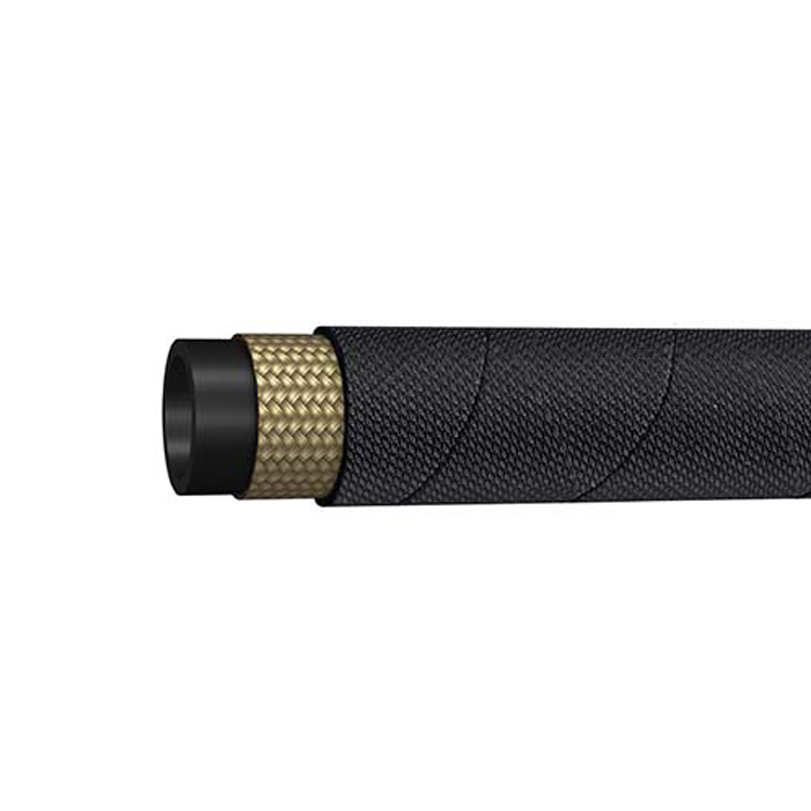
The construction of steel wire braided hydraulic hose involves multiple layers of specialized materials. The inner tube, typically composed of oil-resistant synthetic rubber compounds such as nitrile (NBR), ethylene propylene diene monomer (EPDM), or fluorocarbon (FKM/Viton), provides a fluid-impermeable barrier. NBR offers good resistance to petroleum-based fluids, EPDM excels in high-temperature applications and resistance to weathering, and FKM provides superior chemical resistance but at a higher cost. The reinforcement layer consists of one or more braids of high-strength steel wire, typically drawn from carbon steel and treated for corrosion resistance through galvanization or passivation. The wire diameter and braid angle are key parameters influencing burst pressure and flexibility. An intermediate layer, often a rubber compound blended with textile cord (polyester or nylon), is applied to bond the reinforcement to the inner tube and provide additional structural support. The outer cover, generally constructed from abrasion-resistant synthetic rubber like chloroprene (CR) or polyurethane (PU), protects the reinforcement layer from environmental factors and mechanical damage. Manufacturing processes begin with extrusion of the inner tube and outer cover. The steel wire is then precisely braided around the inner tube using automated braiding machines. Critical parameters during braiding include tension control, braid coverage, and consistent wire pitch. Post-braiding, the hose is cured using a vulcanization process, applying heat and pressure to crosslink the rubber compounds, resulting in the desired physical and chemical properties. Quality control involves hydrostatic pressure testing, impulse testing, and dimensional checks to ensure conformity to specifications.

Performance & Engineering
The performance of steel wire braided hydraulic hose is dictated by several key engineering considerations. Burst pressure, a critical safety parameter, is determined by the steel wire’s tensile strength, braid angle, and number of braids. A higher braid angle provides greater resistance to longitudinal stretching, increasing burst pressure. However, increasing the angle decreases the hose’s flexibility. The hose’s bend radius is essential for installation and operation, and must be within specified limits to avoid kinking or damage to the reinforcement. Fatigue life is a significant factor, particularly in applications involving cyclic pressure and bending. Repeated pressure cycling can lead to fatigue cracking in the steel wire or rubber compounds. Environmental resistance is another crucial aspect; exposure to ozone, UV radiation, and extreme temperatures can degrade the rubber compounds, reducing their elasticity and causing cracking. Compliance requirements, such as those mandated by SAE (Society of Automotive Engineers) and EN (European Norm) standards, dictate minimum performance criteria and testing procedures. Force analysis involves calculating the hoop stress within the hose wall under internal pressure, ensuring it remains below the material’s yield strength. Furthermore, the hose must exhibit minimal expansion under pressure to maintain system efficiency and responsiveness. Material selection also affects fluid compatibility, ensuring the hose doesn’t swell, shrink, or degrade when exposed to the working fluid.
Technical Specifications
| Parameter | Unit | Typical Value (1/2" ID Hose) | Test Standard |
|---|---|---|---|
| Working Pressure | PSI | 3000 | SAE J517 |
| Burst Pressure | PSI | 9000 | SAE J517 |
| Temperature Range | °F | -40 to +212 | SAE J517 |
| Minimum Bend Radius | Inches | 6 | Manufacturer Specification |
| Steel Wire Braid Coverage | % | 65 | SAE J517 |
| Inner Tube Material | - | NBR | SAE J200 |
Failure Mode & Maintenance
Steel wire braided hydraulic hose is susceptible to several failure modes. Fatigue cracking, often initiated at points of high stress concentration (e.g., braid terminations or areas of localized bending), is a common cause of failure. Corrosion of the steel wire, particularly in environments with moisture and chlorides, can significantly reduce its tensile strength and lead to catastrophic failure. Abrasion of the outer cover can expose the reinforcement layer to corrosion and damage, compromising the hose’s integrity. Delamination, the separation of layers within the hose wall, can occur due to poor bonding during manufacturing or prolonged exposure to high temperatures and pressures. Oxidation of the rubber compounds can cause hardening and cracking, reducing their flexibility and sealing capability. Improper installation, such as exceeding the minimum bend radius or over-tightening fittings, can induce premature failure. Maintenance procedures should include regular visual inspection for signs of wear, abrasion, cracking, or leakage. Hoses should be replaced if any damage is detected. Proper storage conditions, avoiding direct sunlight and extreme temperatures, are crucial for extending hose life. Regular fluid analysis can help identify contaminants that may accelerate hose degradation. Furthermore, using correctly sized and compatible fittings is essential to prevent leakage and ensure a secure connection. Documentation of hose service history, including installation date and operating conditions, is recommended for proactive maintenance scheduling.
Industry FAQ
Q: What is the impact of different steel wire braid types (e.g., single versus double braid) on hose performance?
A: A single braid offers a good balance between flexibility and pressure rating, suitable for general-purpose applications. A double braid significantly increases burst pressure and abrasion resistance, making it ideal for high-pressure systems and harsh environments. However, double braid hoses are typically less flexible and more expensive. The choice depends on the specific application requirements and safety factors.
Q: How do different rubber compounds affect the chemical compatibility of the hose?
A: Nitrile (NBR) provides good resistance to petroleum-based fluids, making it a common choice for hydraulic systems. EPDM offers excellent resistance to heat, ozone, and weathering, suitable for outdoor applications. Fluorocarbon (FKM/Viton) provides superior resistance to a wide range of chemicals, including aggressive acids and solvents, but is more costly. Selecting the appropriate rubber compound is crucial to prevent hose degradation and failure.
Q: What are the primary causes of hose leakage and how can they be prevented?
A: Hose leakage can be caused by damaged inner tubes, loose fittings, or degradation of the sealing surfaces. Prevention involves regular inspection for cracks or abrasions, proper fitting torque, and using compatible sealing materials. Avoid over-tightening fittings, as this can damage the hose end and cause leaks. Ensure proper hose routing to prevent kinking and abrasion.
Q: What is the significance of impulse testing and how does it relate to hose durability?
A: Impulse testing simulates the pulsating pressure waves common in hydraulic systems. It assesses the hose’s resistance to fatigue failure caused by repeated pressure surges. A hose that passes rigorous impulse testing demonstrates improved durability and a longer service life in dynamic applications. Impulse ratings are critical for applications like hydraulic hammers and high-frequency actuators.
Q: What are the key considerations when selecting a hose for high-temperature applications?
A: For high-temperature applications, prioritize hoses with EPDM or FKM inner tubes and covers. Ensure the hose’s temperature rating exceeds the maximum operating temperature of the fluid. Consider using heat shielding to protect the hose from external heat sources. Regular inspection for signs of hardening or cracking is essential.
Conclusion
Steel wire braided hydraulic hose remains a vital component in countless industrial applications, and understanding its material science, manufacturing processes, and performance characteristics is paramount to ensuring system reliability and safety. The balance between pressure rating, flexibility, and environmental resistance dictates the suitability of a particular hose construction for a specific application. Rigorous adherence to industry standards (SAE, EN) and proactive maintenance practices are crucial for maximizing hose lifespan and preventing catastrophic failures.
Future developments in hydraulic hose technology will likely focus on enhancing material performance, reducing weight, and improving ease of installation. Innovations in rubber compounding, steel wire metallurgy, and braiding techniques will contribute to hoses with higher burst pressures, increased flexibility, and extended service lives. Furthermore, advancements in sensor technology and predictive maintenance tools will enable more precise monitoring of hose condition and proactive replacement scheduling, minimizing downtime and optimizing operational efficiency.