
Apr . 01, 2024 17:55 Back to list
steel wire braided hydraulic hose factories Performance Analysis

Introduction
Steel wire braided hydraulic hose represents a critical component in fluid power systems across a wide array of industrial applications, including construction, agriculture, manufacturing, and automotive engineering. These hoses are engineered to safely and reliably transmit hydraulic fluid under high pressure, facilitating the operation of hydraulic machinery. Positioned within the industrial chain as a specialized component manufactured by dedicated hose factories, their performance directly impacts the efficiency, safety, and longevity of entire systems. Core performance characteristics are defined by working pressure, burst pressure, temperature range, fluid compatibility, and resistance to abrasion and environmental degradation. The industry faces increasing demands for higher pressures, improved flexibility, reduced weight, and compliance with stringent environmental regulations, driving innovation in materials and manufacturing techniques. Ensuring hose integrity is paramount due to the catastrophic consequences potential failure can inflict, highlighting the importance of robust design, quality control, and proper maintenance practices. This guide provides a comprehensive technical overview of steel wire braided hydraulic hoses, covering material science, manufacturing processes, performance characteristics, failure modes, and relevant industry standards.
Material Science & Manufacturing
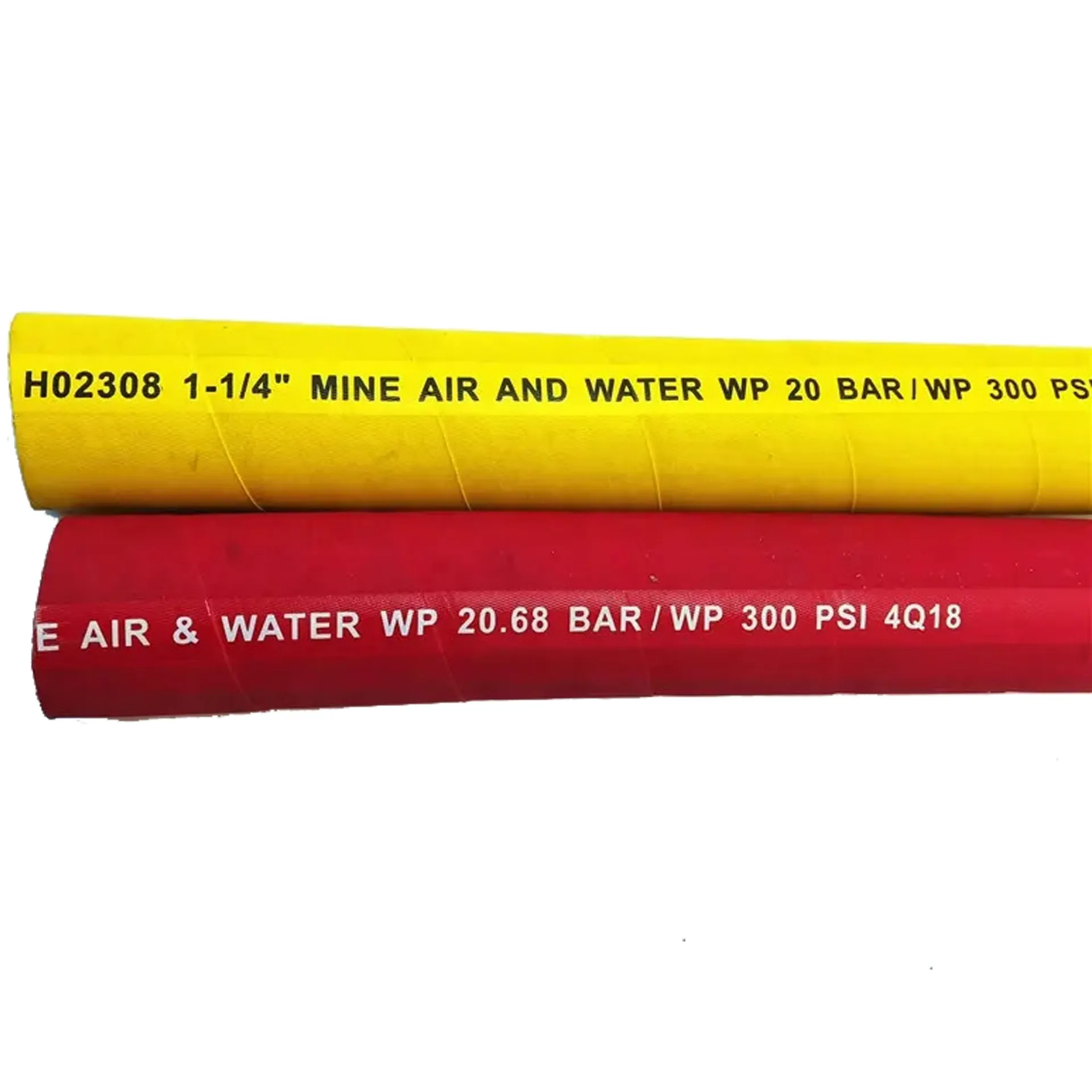
The construction of steel wire braided hydraulic hose relies on a synergistic combination of materials, each contributing to specific performance attributes. The inner tube, typically composed of nitrile rubber (NBR), ethylene propylene diene monomer (EPDM), or fluorocarbon rubber (FKM – Viton), provides fluid compatibility and flexibility. NBR is cost-effective for petroleum-based fluids, EPDM excels in phosphate ester hydraulic fluids and heat resistance, while FKM offers superior resistance to a broad range of aggressive chemicals and high temperatures. The reinforcement layer consists of one or more braids of high-strength steel wire, typically carbon steel, providing the necessary pressure resistance. The wire is precisely spiraled around the inner tube, with the braid angle influencing hose flexibility and burst pressure. Higher braid angles generally result in increased pressure capacity but reduced flexibility. An outer cover, typically made of chloroprene rubber (CR) or polyurethane (PU), provides abrasion resistance, weather protection, and resistance to oil and ozone. Manufacturing begins with extrusion of the inner tube to the desired dimensions. The steel wire braid is then applied using a specialized braiding machine, ensuring consistent coverage and braid density. Following braiding, the hose assembly undergoes vulcanization, a process of heating under pressure to cross-link the rubber compounds, enhancing their strength, elasticity, and resistance to degradation. Critical parameters during vulcanization include temperature, pressure, and time, all meticulously controlled to achieve optimal material properties. Post-vulcanization, the hose undergoes rigorous quality control inspections, including pressure testing, dimensional checks, and visual inspection for defects. Skiving the outer cover at the ends is common practice to facilitate secure fitting connections. Proper wire surface treatment (e.g., galvanization) is crucial to prevent corrosion within the braid.
Performance & Engineering
The performance of steel wire braided hydraulic hose is governed by fundamental principles of fluid mechanics and material science. Burst pressure is a critical performance parameter, determined by the tensile strength of the steel wire, the braid angle, and the strength of the rubber matrix. Calculations involving hoop stress and circumferential stress are employed in the design process to ensure adequate safety factors. Flexibility is equally important, particularly in applications requiring complex routing of the hose. Bending radius, defined as the minimum radius to which the hose can be bent without kinking or damaging the reinforcement, is a key specification. Fatigue resistance is paramount, as hydraulic hoses are subjected to cyclic pressure and bending stresses during operation. Fatigue life is affected by factors such as pressure amplitude, frequency of cycling, and operating temperature. Environmental resistance is also crucial, particularly in outdoor applications. Exposure to ozone, ultraviolet radiation, and extreme temperatures can degrade the rubber compounds, reducing the hose’s lifespan. Compliance with industry standards, such as SAE J517, dictates minimum performance requirements for burst pressure, impulse pressure, and temperature range. Furthermore, the hose must demonstrate compatibility with the hydraulic fluid being used, preventing swelling, cracking, or other forms of degradation. Proper fitting selection and installation are essential to prevent leaks and premature failure. Incorrectly sized or installed fittings can create stress concentrations, leading to fatigue cracking. Force analysis is used to determine the appropriate fitting crimp strength, ensuring a secure and leak-proof connection.
Technical Specifications
| Parameter | Unit | SAE 100R4 | SAE 100R6 |
|---|---|---|---|
| Working Pressure | MPa | 31.5 | 21.0 |
| Burst Pressure | MPa | 105 | 63 |
| Temperature Range | °C | -40 to +100 | -40 to +70 |
| Inner Tube Material | - | NBR | NBR |
| Reinforcement | - | Two Steel Wire Braids | One Steel Wire Braid |
| Outer Cover Material | - | CRM | CRM |
Failure Mode & Maintenance
Steel wire braided hydraulic hose failures can manifest in several forms, each with distinct causes and preventative measures. Fatigue cracking, often initiated at the braid points or fitting connections, is a common failure mode resulting from repeated pressure and bending cycles. Delamination, the separation of the rubber layers from the steel wire braid, can occur due to inadequate adhesion or exposure to aggressive chemicals. Oxidation of the steel wire, particularly in humid environments, can reduce its tensile strength and contribute to braid failure. Abrasion damage to the outer cover can expose the steel wire to corrosion and accelerate degradation. Internal degradation of the inner tube can result from incompatible fluids, excessive temperatures, or contamination. Failure Analysis often involves visual inspection, microscopic examination of fracture surfaces, and chemical analysis of the rubber compounds. Maintenance practices are crucial for extending hose lifespan and preventing catastrophic failures. Regular visual inspections should be conducted to identify signs of abrasion, cracking, or swelling. Pressure testing can detect leaks or weaknesses in the hose. Proper fluid filtration is essential to prevent contamination and internal degradation. Hose routing should minimize bending and twisting, reducing stress concentrations. Avoid exceeding the maximum working pressure and temperature limits. When replacing hoses, ensure compatibility with the hydraulic fluid and select fittings that are appropriately sized and crimped. Store hoses in a cool, dry place away from direct sunlight and ozone sources. Periodic replacement based on a preventative maintenance schedule, even in the absence of visible damage, is recommended.
Industry FAQ
Q: What is the impact of different braid angles on hose performance?
A: A higher braid angle generally increases the burst pressure of the hose by providing greater resistance to hoop stress. However, it simultaneously reduces flexibility, making it more difficult to route the hose in tight spaces. A lower braid angle offers increased flexibility but reduces the hose’s pressure capacity. The optimal braid angle is determined by a trade-off between these two factors, tailored to the specific application requirements.
Q: How does fluid compatibility affect hose lifespan?
A: Incompatible fluids can cause the inner tube material to swell, crack, or degrade, leading to leaks and premature failure. It is crucial to select a hose with an inner tube material that is specifically designed to be compatible with the hydraulic fluid being used. Consulting chemical compatibility charts is highly recommended.
Q: What are the primary causes of fatigue failure in hydraulic hoses?
A: Fatigue failure is typically initiated by repeated pressure and bending cycles. Factors contributing to fatigue include excessive pressure amplitudes, high operating frequencies, and the presence of stress concentrations at fittings or braid points. Proper hose routing, vibration damping, and the use of surge suppressors can help mitigate fatigue failure.
Q: How important is proper fitting installation?
A: Proper fitting installation is paramount. Incorrectly sized or crimped fittings can create stress concentrations, leading to leaks and premature failure. Fittings should be selected based on the hose type, fluid compatibility, and operating pressure. Crimping should be performed using calibrated tooling and verified to meet manufacturer specifications.
Q: What preventative maintenance steps are recommended for hydraulic hoses?
A: Recommended steps include regular visual inspections for abrasion, cracking, and leaks, pressure testing, fluid filtration, proper hose routing, and periodic replacement based on a preventative maintenance schedule. Keeping a detailed record of hose replacements and maintenance activities is also advisable.
Conclusion
Steel wire braided hydraulic hoses are essential components in a multitude of hydraulic systems, demanding careful consideration of material selection, manufacturing processes, and operational parameters. The interplay between the inner tube, steel wire reinforcement, and outer cover dictates the hose’s performance characteristics, influencing its ability to withstand high pressures, resist environmental degradation, and maintain flexibility. Understanding the potential failure modes and implementing a robust preventative maintenance program are critical for ensuring system reliability and preventing costly downtime.
Future developments in hydraulic hose technology will likely focus on advanced materials offering improved chemical resistance, higher temperature capabilities, and reduced weight. Smart hoses equipped with sensors to monitor pressure, temperature, and fluid condition could provide real-time feedback, enabling predictive maintenance and enhancing system safety. Continued research into manufacturing techniques aimed at optimizing braid density and improving rubber adhesion will further enhance hose performance and longevity.