
Apr . 01, 2024 17:55 Back to list
smooth cover steel wire braided hydraulic hose Performance Analysis
Introduction
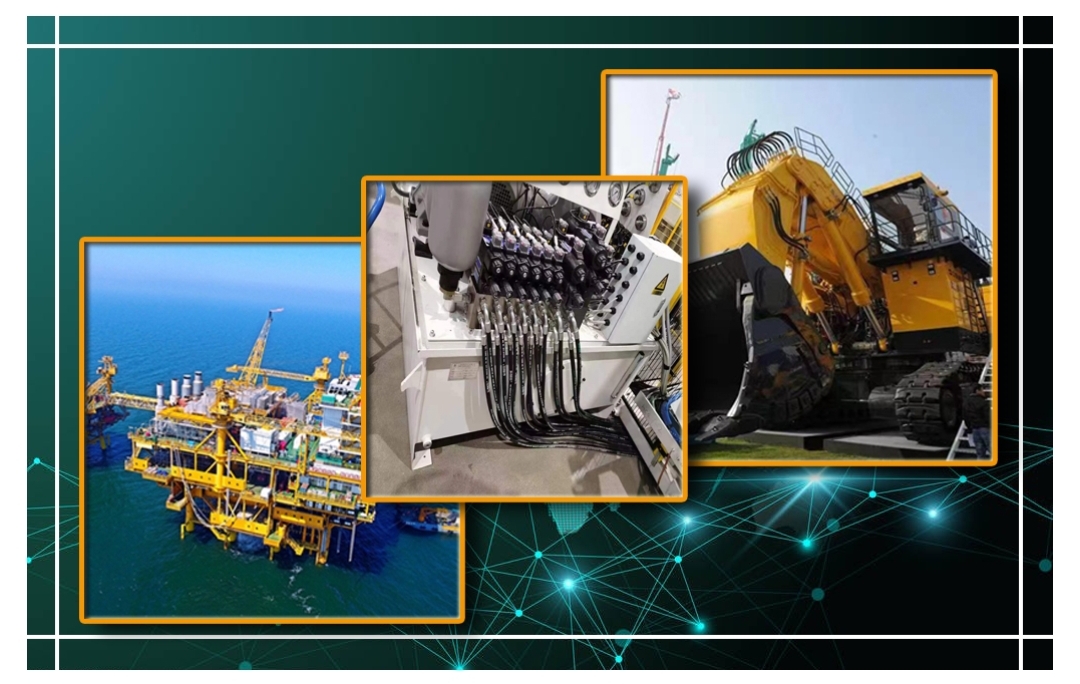
Smooth cover steel wire braided hydraulic hose represents a critical component in fluid power systems across diverse industries, including construction, agriculture, manufacturing, and aerospace. These hoses are engineered to transmit hydraulic fluid under high pressure, facilitating the operation of heavy machinery and complex equipment. Their construction, utilizing multiple layers of reinforcement, provides a robust solution compared to non-reinforced rubber hoses. This guide provides a comprehensive technical overview of smooth cover steel wire braided hydraulic hose, encompassing material science, manufacturing processes, performance characteristics, potential failure modes, and relevant industry standards. The "smooth cover" designation refers to the outer layer, offering reduced friction and abrasion resistance, a significant advantage in demanding applications where hose routing requires movement against other surfaces. Core performance characteristics include pressure rating, temperature range, fluid compatibility, and bend radius, all of which are critical for ensuring system reliability and safety. A primary industry pain point is ensuring consistent performance and longevity in harsh operational environments, coupled with adherence to increasingly stringent safety regulations.
Material Science & Manufacturing
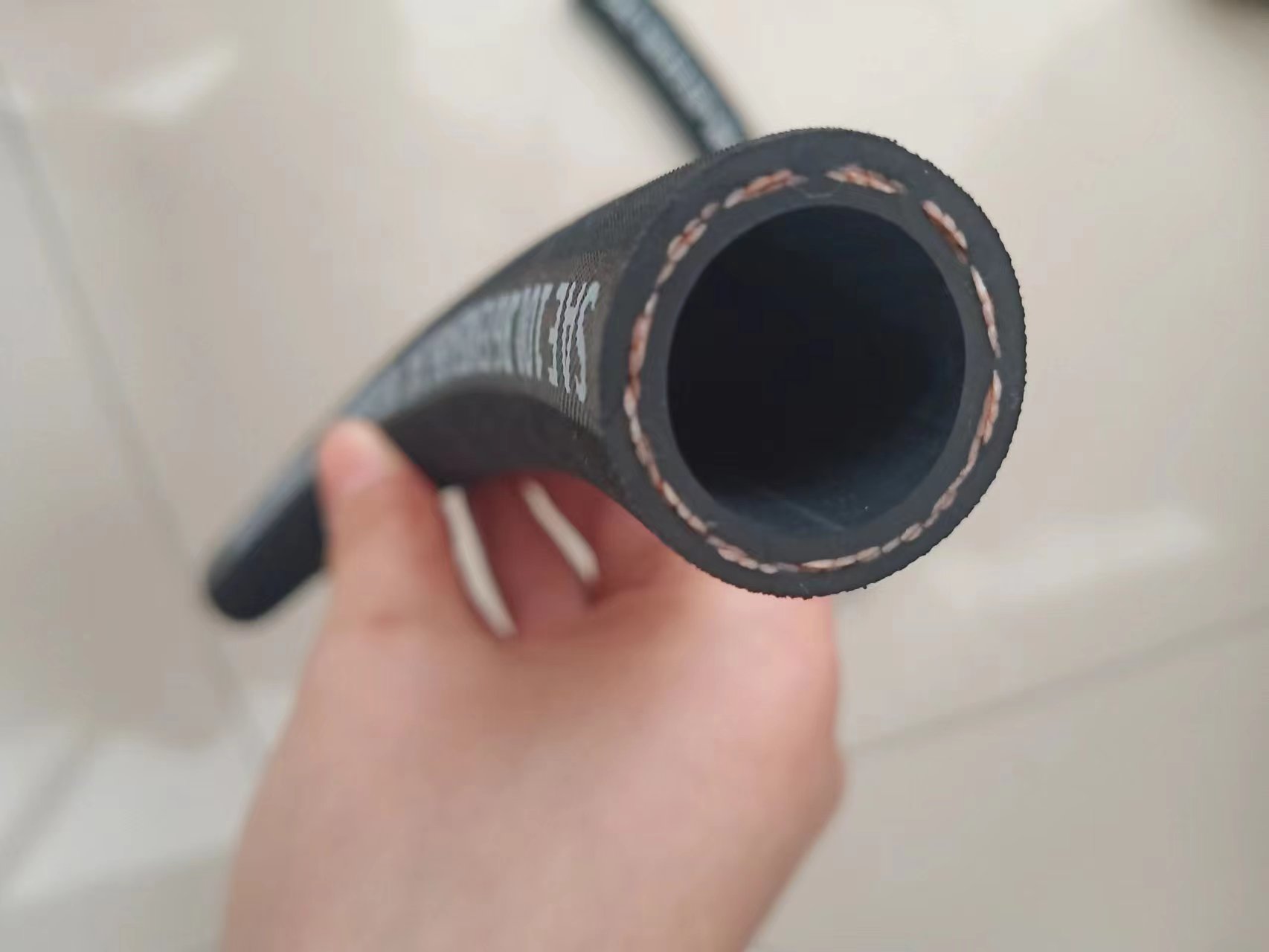
The construction of smooth cover steel wire braided hydraulic hose involves a multi-layered composition. The innermost layer, or tube, is typically composed of a synthetic rubber compound, commonly nitrile rubber (NBR), ethylene propylene diene monomer (EPDM), or fluorocarbon (FKM, Viton®). NBR provides excellent resistance to petroleum-based fluids, EPDM excels in applications requiring water and weathering resistance, and FKM offers superior chemical compatibility and high-temperature performance. The selection depends critically on the hydraulic fluid being used. Over this tube, multiple layers of high-tensile steel wire braid are spirally wound. The steel wire is typically carbon steel, treated with a corrosion-resistant coating (zinc plating being common) to prevent rust and maintain braid integrity. The number of braid layers directly correlates to the hose’s pressure rating; more layers yield higher burst pressure. Between the steel wire and the outer cover, a rubber compound layer provides adhesion and impact protection. The outer cover itself, providing the “smooth” finish, is usually a synthetic rubber, such as polyurethane or a specialized blend of rubbers formulated for abrasion resistance, weathering, and ozone protection. Manufacturing begins with extrusion of the inner tube. The steel wire is then precisely wound onto the tube using automated braiding machines, controlling the pitch and density of the braid. Following braiding, the intermediate rubber layer is applied, followed by the outer cover extrusion. Critical parameters during manufacturing include temperature control during extrusion to prevent material degradation, precise braid tension to ensure uniform pressure resistance, and quality control checks for defects such as pinholes or voids in the rubber layers. Cure time and temperature are carefully managed to achieve optimal rubber vulcanization and mechanical properties.
Performance & Engineering
The performance of smooth cover steel wire braided hydraulic hose is fundamentally governed by its ability to withstand internal pressure without failure. Force analysis focuses on hoop stress within the hose wall, directly proportional to the internal pressure and the hose’s internal diameter, and inversely proportional to the wall thickness. The steel wire braid provides the primary reinforcement, resisting the expansive force generated by the pressurized fluid. The number of braid layers is a key engineering parameter, dictating the hose’s maximum working pressure (MWP) and burst pressure. Environmental resistance is also crucial; hoses must maintain their integrity across a specified temperature range, typically -40°C to +100°C (though this varies with material selection). Exposure to ultraviolet (UV) radiation, ozone, and corrosive fluids can degrade the rubber compounds, reducing their elasticity and strength. Compliance requirements are significant, with standards like SAE J517 dictating performance specifications and testing procedures. Bend radius is another critical engineering consideration. Exceeding the minimum bend radius can induce stress concentrations in the hose wall, leading to premature failure. Hose end termination techniques (crimping, swaging) play a vital role in ensuring a leak-free and structurally sound connection. Proper crimp specifications, matched to the hose and fitting materials, are essential for preventing fitting blow-off or hose deformation. Fatigue life is also paramount; repeated pressure cycling can lead to fatigue cracking, especially in applications with high-frequency pulsations.
Technical Specifications
| Parameter | Unit | Typical Value (1" ID Hose) | Test Standard |
|---|---|---|---|
| Working Pressure (MWP) | psi | 4,000 | SAE J517 |
| Burst Pressure | psi | 16,000 | SAE J517 |
| Temperature Range | °C | -40 to +100 | SAE J517 |
| Inner Tube Material | - | NBR | ASTM D2000 |
| Reinforcement | Layers | 6 (Steel Wire) | SAE J517 |
| Outer Cover Material | - | Polyurethane | ASTM D2000 |
Failure Mode & Maintenance
Smooth cover steel wire braided hydraulic hose is susceptible to several failure modes. Fatigue cracking, particularly at the connection points (crimped fittings), is common due to cyclical pressure fluctuations and vibration. The steel wire braid can also experience fatigue failure over time, leading to strand breakage and reduced pressure capacity. Abrasion of the outer cover, especially in applications with frequent contact with abrasive surfaces, can expose the underlying steel wire, leading to corrosion and eventual failure. Internal degradation of the inner tube can occur due to incompatibility with the hydraulic fluid, excessive temperature, or contamination. Oxidation of the rubber compounds, caused by exposure to ozone and UV radiation, can lead to hardening, cracking, and loss of elasticity. Delamination, the separation of the hose layers, can result from improper vulcanization during manufacturing or prolonged exposure to harsh environments. Preventative maintenance is crucial for extending hose life. Regular visual inspections should be conducted to identify signs of abrasion, cracking, or swelling. Hose connections should be checked for leaks and proper crimp integrity. Hydraulic fluid should be monitored for contamination and replaced as needed. Hoses should be replaced at regular intervals, based on operating conditions and manufacturer recommendations. Proper hose routing, avoiding sharp bends and contact with hot surfaces, can also minimize the risk of failure. Correct storage – away from direct sunlight, ozone sources and extreme temperatures – is also essential for maintaining long-term integrity.
Industry FAQ
Q: What is the impact of hydraulic fluid type on hose selection?
A: The hydraulic fluid’s chemical compatibility with the inner tube material is paramount. Incompatible fluids can cause swelling, softening, or degradation of the rubber, leading to leaks and failure. For example, phosphate ester fluids require specialized hose constructions (e.g., FKM inner tube) due to their aggressive chemical nature. Always consult fluid compatibility charts and manufacturer specifications.
Q: How does hose layline marking contribute to traceability and safety?
A: Layline markings, permanently embossed onto the hose cover, provide critical information such as manufacturer identification, hose size, working pressure, manufacturing date, and applicable standards. This allows for traceability in case of failures and ensures the hose meets the required safety specifications. Proper decoding of layline markings is essential for quality control.
Q: What are the primary causes of hose "kinking" and how can it be prevented?
A: Kinking occurs when the hose is bent beyond its minimum bend radius, causing internal collapse and restricting fluid flow. This can be caused by improper hose routing, inadequate support, or excessive pressure. Preventative measures include ensuring sufficient bend radius, providing external support (clamps or sleeves), and avoiding sharp bends.
Q: What is the correct procedure for crimping hose fittings?
A: Correct crimping requires using the appropriate die set, crimp sleeve, and crimping machine settings, all matched to the hose and fitting specifications. Improper crimping can lead to leaks, fitting blow-off, or hose deformation. Regular calibration of the crimping machine is essential to maintain consistent crimp pressure.
Q: How does temperature affect the performance and lifespan of hydraulic hose?
A: Extreme temperatures – both high and low – can significantly impact hose performance. High temperatures accelerate rubber degradation, reducing elasticity and strength. Low temperatures can cause rubber to stiffen, increasing the risk of cracking. Maintaining hydraulic fluid within its recommended temperature range and selecting a hose with an appropriate temperature rating are crucial for maximizing lifespan.
Conclusion
Smooth cover steel wire braided hydraulic hose remains a fundamental component in hydraulic power transmission, offering a robust and reliable solution for demanding applications. The selection process requires careful consideration of operating parameters, including pressure, temperature, fluid compatibility, and environmental conditions. Understanding the interplay between material science, manufacturing processes, and engineering principles is crucial for ensuring optimal performance and longevity.
Future trends point towards the development of lighter-weight hose constructions utilizing advanced materials, such as thermoplastic composites, and the integration of sensor technologies for real-time condition monitoring. Implementing rigorous preventative maintenance programs, including regular inspections and fluid analysis, will continue to be paramount for maximizing hose lifespan and minimizing the risk of costly downtime and safety hazards. Continued adherence to relevant international standards is also critical for ensuring quality and interoperability across the industry.