
Apr . 01, 2024 17:55 Back to list
smooth cover high pressure hydraulic hose Performance Analysis
Introduction
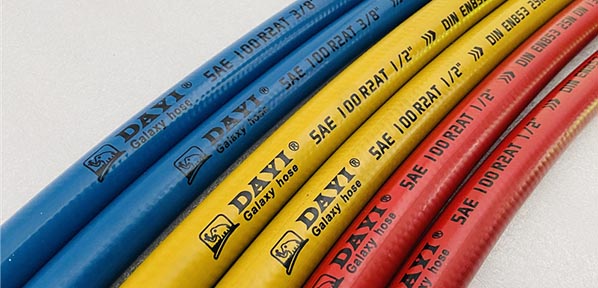
Smooth cover high pressure hydraulic hose is a critical component in fluid power systems, designed for the transmission of hydraulic fluid under high pressure and demanding operational conditions. Positioned within the hydraulic system as the conduit between the pump, valves, and actuators, its performance directly impacts system efficiency, reliability, and safety. These hoses are characterized by their multi-layered construction, typically consisting of an inner tube, reinforcement layers, and a protective outer cover. The ‘smooth cover’ designation refers to the exterior surface finish, enhancing abrasion resistance and facilitating ease of installation and handling. Core performance characteristics include pressure rating, burst pressure, temperature range, fluid compatibility, and resistance to environmental factors. A primary industry pain point lies in maintaining consistent hose integrity under cyclical pressure, extreme temperatures, and exposure to corrosive fluids, often resulting in premature failure and costly downtime. Selecting the appropriate hose construction and materials is paramount to mitigating these risks.
Material Science & Manufacturing
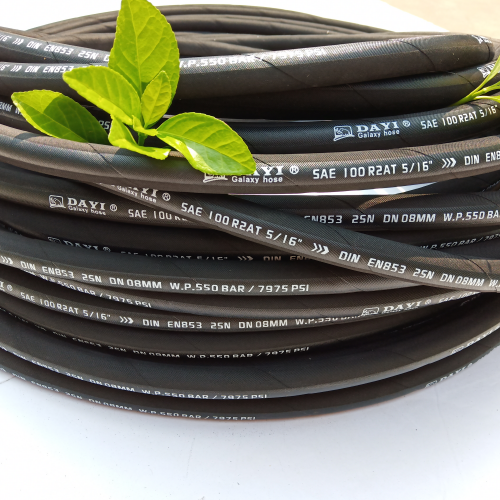
The construction of smooth cover high pressure hydraulic hose relies heavily on carefully selected materials and precise manufacturing processes. The inner tube is commonly composed of synthetic rubbers such as nitrile (NBR), chloroprene (CR – Neoprene), or ethylene propylene diene monomer (EPDM), chosen for their compatibility with various hydraulic fluids (mineral oils, synthetic fluids, water-glycol). NBR provides excellent resistance to petroleum-based fluids, while EPDM excels in phosphate ester fluid compatibility and high-temperature applications. CR offers a good balance of properties. The reinforcement layer(s) are critical for withstanding high pressures and preventing hose rupture. These layers typically consist of one or more braids of high-tensile steel wire, or spiral-wound constructions of steel wire or aramid fiber. Steel wire offers superior strength and resistance to kinking, while aramid provides a lighter-weight alternative with excellent flexibility. The outer cover is usually made from a synthetic rubber compound, such as polyurethane (PUR) or a specialized blend of rubbers, providing abrasion resistance, weather protection, and resistance to oil and chemicals. Manufacturing processes vary depending on hose type. Braided hoses involve wrapping steel wire helically around a mandrel, followed by extrusion of the inner tube and outer cover. Spiral-wound hoses involve continuously winding pre-tensioned steel wire around a central mandrel, followed by extrusion. Key parameter control involves maintaining precise layer tensions, consistent rubber extrusion temperatures and pressures, proper curing times, and rigorous quality control checks for dimensional accuracy and material integrity. Precise control over vulcanization – the process of cross-linking rubber polymers – is essential for achieving optimal physical properties.
Performance & Engineering
The performance of smooth cover high pressure hydraulic hose is governed by several engineering principles. Force analysis focuses on hoop stress within the hose walls under internal pressure. The reinforcement layers are designed to counteract this stress, preventing expansion and failure. The burst pressure, a critical performance metric, is determined by the tensile strength of the reinforcement material and the hose’s geometric construction. Environmental resistance encompasses factors like temperature extremes, UV exposure, ozone degradation, and chemical attack. Rubber compounds are formulated with antioxidants and UV stabilizers to mitigate these effects. Hydraulic fluid compatibility is paramount; improper fluid selection can cause swelling, softening, or degradation of the inner tube, leading to leaks and failure. Hose bend radius is also a crucial engineering consideration. Exceeding the minimum bend radius induces excessive stress on the reinforcement layers, reducing hose life. Compliance requirements, such as those set forth by SAE International (SAE J517, SAE J518), dictate testing procedures for pressure rating, impulse testing (cyclic pressure), temperature range, and fluid compatibility. These standards ensure that hoses meet minimum safety and performance benchmarks. Fatigue life, the number of pressure cycles a hose can withstand before failure, is often assessed through accelerated life testing. Proper hose assembly, including correct fitting selection and crimping, is vital for achieving optimal performance and preventing leakage.
Technical Specifications
| Parameter | Unit | Typical Value (SAE 100R2AT Equivalent) | Typical Value (SAE 100R1AT Equivalent) |
|---|---|---|---|
| Working Pressure | MPa | 20.7 | 17.2 |
| Burst Pressure | MPa | 82.7 | 69.0 |
| Temperature Range | °C | -40 to +100 | -40 to +70 |
| Inner Tube Material | - | Synthetic Rubber (NBR) | Synthetic Rubber (NBR) |
| Reinforcement | - | Two Steel Wire Braids | One Steel Wire Braid |
| Outer Cover Material | - | Polyurethane (PUR) | Black Rubber (CR) |
Failure Mode & Maintenance
Failure modes in smooth cover high pressure hydraulic hose are varied and often interconnected. Fatigue cracking, resulting from repeated pressure cycles, is a common failure mechanism, particularly in areas of high stress concentration (e.g., near fittings). Delamination, or separation of the reinforcement layers from the inner tube or outer cover, can occur due to inadequate bonding or exposure to aggressive fluids. Degradation of the rubber compounds, caused by heat, ozone, or UV exposure, leads to loss of flexibility and eventual cracking. Oxidation of the hydraulic fluid can generate corrosive byproducts that attack the inner tube. Pinholes in the inner tube can result from abrasion from within the system or defects in the manufacturing process. External damage, such as abrasion, cuts, or crushing, can compromise hose integrity. Maintenance strategies include regular visual inspections for signs of wear, cracking, or leakage. Pressure testing can identify hoses with reduced burst strength. Proper hose routing and support are essential to prevent kinking, abrasion, and excessive bending. Fluid analysis is recommended to detect contamination or degradation of the hydraulic fluid. When replacing a hose, ensure compatibility with the hydraulic fluid and operating conditions. Correct fitting selection and crimping are vital for preventing leakage and ensuring a secure connection. Implementing a preventative maintenance schedule, based on operating hours and environmental conditions, is critical for maximizing hose life and minimizing downtime.
Industry FAQ
Q: What is the impact of fluid velocity on hose life?
A: Higher fluid velocity increases the risk of erosion of the inner tube, particularly with fluids containing abrasive particles. It also leads to increased pressure drop across the hose and can contribute to thermal stress. Selecting a hose with an appropriate inner diameter and minimizing sharp bends can help mitigate these effects.
Q: How does temperature affect hose performance?
A: Elevated temperatures can accelerate the degradation of rubber compounds, reducing their flexibility and strength. Low temperatures can decrease the flexibility of the hose, increasing the risk of kinking. Exceeding the specified temperature range can lead to premature failure.
Q: What is the significance of impulse testing?
A: Impulse testing simulates the pressure surges and pulsations that occur in hydraulic systems. It assesses the hose’s ability to withstand these dynamic loads without failure, providing a measure of its fatigue life.
Q: What are the common causes of hose leaks at the fittings?
A: Improper fitting selection, incorrect crimping, damaged or corroded fittings, and contamination between the hose end and the fitting are common causes of leaks. Using high-quality fittings and following proper assembly procedures are crucial.
Q: What is the difference between a braided and spiral-wound hose?
A: Braided hoses offer higher tensile strength and resistance to kinking, but are less flexible. Spiral-wound hoses provide greater flexibility and are better suited for tight bends, but may have lower burst pressure for a given weight.
Conclusion
Smooth cover high pressure hydraulic hose represents a critical element within fluid power systems, and its reliable operation is inextricably linked to careful material selection, rigorous manufacturing control, and adherence to industry standards. Understanding the interplay between material properties, engineering principles, and potential failure modes is essential for ensuring optimal performance and minimizing downtime. The selection process should prioritize compatibility with the hydraulic fluid, operating pressure, temperature range, and environmental conditions.
Future advancements in hydraulic hose technology will likely focus on the development of lighter-weight materials, improved abrasion resistance, and enhanced monitoring capabilities. The integration of smart sensors within hose assemblies will enable real-time monitoring of pressure, temperature, and structural integrity, facilitating predictive maintenance and preventing catastrophic failures. Continued research into novel rubber compounds and reinforcement materials will drive improvements in hose durability and performance.