
Apr . 01, 2024 17:55 Back to list
six wire spiral high pressure hydraulic hose Performance Analysis
Introduction
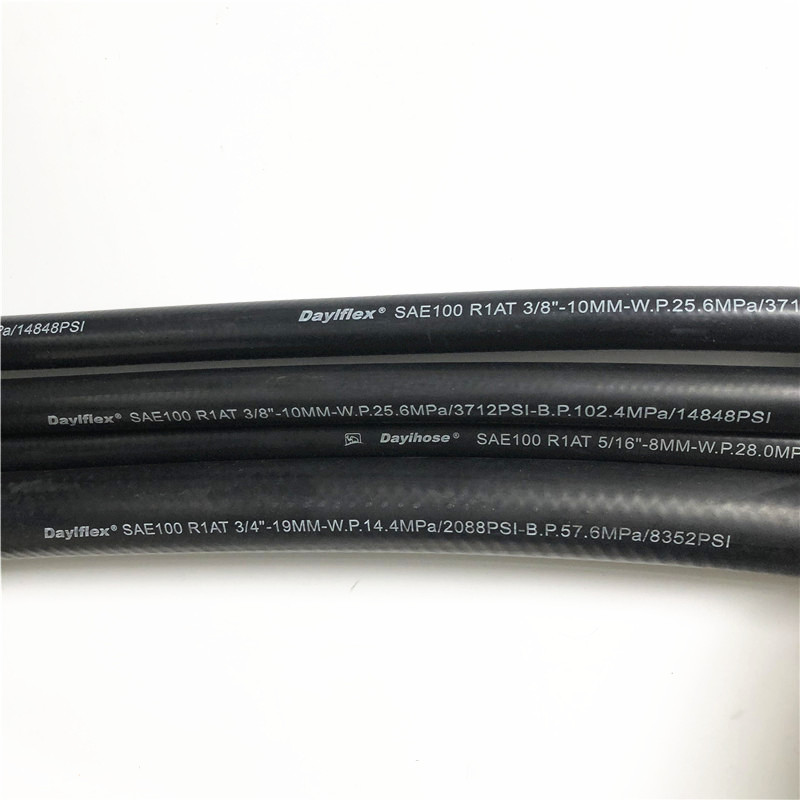
Six wire spiral high pressure hydraulic hose is a reinforced flexible conduit designed to transmit hydraulic fluid under extremely high pressure in demanding industrial applications. Positioned within the fluid power transmission segment of the industry chain, it serves as a critical component in systems requiring reliable and robust fluid conveyance. Its core performance characteristics center around withstanding elevated pressures, resisting abrasion, maintaining flexibility in dynamic applications, and ensuring fluid compatibility. These hoses differ significantly from low-pressure rubber hoses through the incorporation of multiple layers of high-tensile steel wire spiraled around an internal rubber tube, providing substantial reinforcement and burst resistance. The selection of this hose type hinges on accurately assessing the operating pressure, fluid type, temperature range, and potential for mechanical stress within a hydraulic system. Failure to properly specify the hose can lead to catastrophic system failure, making a thorough understanding of its capabilities paramount for engineers and procurement professionals.
Material Science & Manufacturing
The construction of a six wire spiral high pressure hydraulic hose relies on a carefully orchestrated combination of materials and manufacturing processes. The inner tube is typically composed of oil-resistant synthetic rubber, commonly nitrile rubber (NBR), chlorinated polyethylene (CM), or fluoroelastomers (FKM), depending on the fluid compatibility requirements. NBR is widely used for petroleum-based fluids, CM offers enhanced ozone and weathering resistance, and FKM provides superior resistance to aggressive chemicals and high temperatures. The reinforcement layer consists of six high-tensile steel wires spiraled around the inner tube. These wires are typically drawn from high-carbon steel and undergo surface treatment, such as galvanization or phosphating, to improve corrosion resistance and adhesion to the surrounding rubber layers. The outer cover is usually a blend of synthetic rubbers, providing abrasion resistance, weathering protection, and resistance to oil and chemicals. Common materials include CR (chloroprene rubber), SBR (styrene-butadiene rubber) and polyurethane.
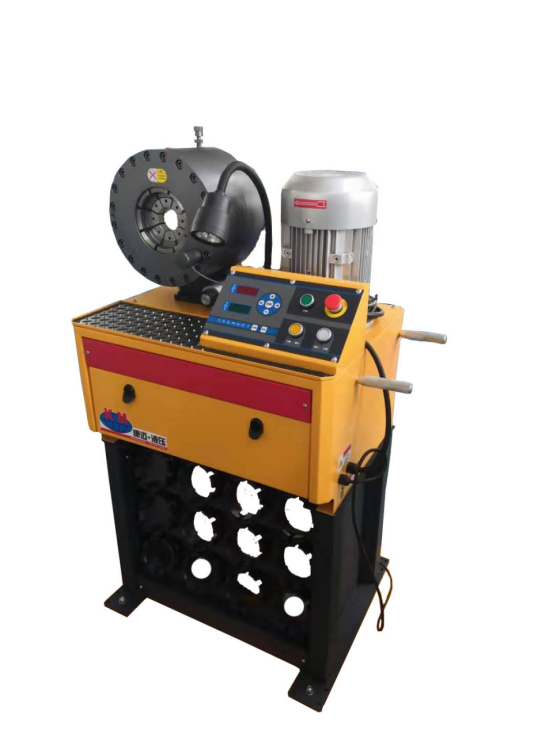
Manufacturing begins with extrusion of the inner tube to precise dimensions. The steel wire is then spiraled onto the tube using specialized winding machinery, ensuring consistent pitch and tension. This is followed by the application of a bonding agent to promote adhesion between the wire and the outer rubber layers. The outer cover is then extruded over the wire reinforcement, and the hose is cured in a vulcanization process. Curing involves heating the hose under pressure, initiating a chemical reaction that crosslinks the rubber molecules, resulting in enhanced strength, elasticity, and resistance to degradation. Key parameters controlled during manufacturing include wire tension, cure temperature, cure time, and dimensional tolerances. Variations in these parameters can significantly impact the hose’s performance and lifespan. Non-destructive testing, such as ultrasonic testing and hydrostatic testing, are employed to verify the integrity of the hose and identify potential defects.
Performance & Engineering
The performance of a six wire spiral high pressure hydraulic hose is dictated by its ability to withstand internal pressure, external damage, and environmental factors. Force analysis is crucial in designing and selecting hoses for specific applications. The hoop stress within the hose wall, caused by internal pressure, is directly proportional to the pressure and the hose’s inner diameter, and inversely proportional to its wall thickness. The steel wire reinforcement provides the necessary tensile strength to counteract this hoop stress, preventing hose rupture. Burst pressure, typically specified as a multiple of the working pressure, represents the maximum pressure the hose can withstand before failure.
Environmental resistance is another critical performance consideration. Exposure to extreme temperatures can affect the rubber’s elasticity and degrade its chemical resistance. Hoses operating in outdoor environments must also be resistant to ozone, UV radiation, and abrasion. Compliance requirements, such as those stipulated by SAE International (SAE J517) and EN 856, dictate the minimum performance standards for hydraulic hoses. These standards specify requirements for pressure rating, temperature range, impulse testing, and dimensional accuracy. Functional implementation details include proper hose routing to avoid sharp bends and excessive flexing, the use of appropriate fittings to ensure leak-free connections, and regular inspection for signs of wear and damage. Consideration must be given to fluid velocity, as excessive velocity can lead to erosion of the inner tube and increased pressure drop. Furthermore, the hose’s flexibility is a key design parameter, influencing its ability to accommodate dynamic movements and vibrations within the hydraulic system.
Technical Specifications
| Parameter | Unit | Specification Range | Testing Standard |
|---|---|---|---|
| Working Pressure | MPa | 31.5 – 70 | SAE J517 |
| Burst Pressure | MPa | 126 – 280 | SAE J517 |
| Temperature Range | °C | -40 to +100 | SAE J517 |
| Inner Tube Material | - | NBR, CM, FKM | ASTM D2000 |
| Reinforcement | - | 6 Spiral High-Tensile Steel Wire | ASTM A228 |
| Outer Cover Material | - | CR, SBR, Polyurethane | ASTM D2000 |
Failure Mode & Maintenance
Six wire spiral high pressure hydraulic hoses are susceptible to several failure modes in practical applications. Fatigue cracking, caused by repeated flexing and pressure cycling, is a common failure mechanism, particularly in dynamic systems. This typically initiates at the wire-rubber interface. Delamination, the separation of rubber layers, can occur due to insufficient bonding or exposure to harsh chemicals. Degradation of the rubber material, caused by exposure to ozone, UV radiation, or extreme temperatures, can lead to loss of elasticity and cracking. Oxidation, particularly in the presence of oxygen and high temperatures, can also contribute to rubber degradation. External damage, such as abrasion, cuts, and impact, can compromise the hose’s integrity and lead to leaks or bursts. Pinholes in the inner tube can develop due to corrosion or erosion.
Preventative maintenance is crucial to extend the hose’s service life and prevent catastrophic failures. Regular visual inspection for signs of wear, cracking, swelling, or abrasion is essential. Hose should be replaced if any defects are observed. Proper hose routing and support are vital to minimize stress and prevent damage. Ensure that the hose is not subjected to sharp bends or excessive twisting. Regularly check fittings for leaks and tighten as necessary. Fluid compatibility should be verified to ensure that the hose material is resistant to the hydraulic fluid being used. Implement a scheduled replacement program based on operating conditions and manufacturer recommendations. Flush the hydraulic system periodically to remove contaminants that can accelerate hose degradation. Store hoses in a cool, dry place away from direct sunlight and ozone sources when not in use.
Industry FAQ
Q: What is the primary difference between a four-wire and a six-wire spiral hose in terms of pressure capacity?
A: The primary difference lies in the reinforcement structure. A six-wire spiral hose incorporates two additional layers of high-tensile steel wire, significantly increasing its burst pressure and working pressure capabilities compared to a four-wire hose. This added reinforcement makes it suitable for higher-demand applications involving greater hydraulic forces.
Q: How does temperature affect the performance of a hydraulic hose, and what precautions should be taken?
A: Extreme temperatures, both high and low, can degrade the rubber materials within the hose. High temperatures can cause hardening and cracking, while low temperatures can reduce flexibility and increase the risk of damage. Precautions include selecting a hose with a temperature range appropriate for the application, and implementing cooling or insulation measures if necessary.
Q: What are the critical considerations when selecting a hose material for compatibility with different hydraulic fluids?
A: The hose material must be chemically compatible with the hydraulic fluid to prevent swelling, degradation, or leaching. NBR is suitable for petroleum-based fluids, CM offers better resistance to ozone and weathering, and FKM provides superior resistance to aggressive chemicals and high temperatures. Consult a chemical compatibility chart to ensure proper material selection.
Q: What are the typical causes of hose failure in a hydraulic system, and how can they be mitigated?
A: Common causes include fatigue cracking, abrasion, improper installation, and fluid incompatibility. Mitigation strategies involve regular inspection, proper hose routing and support, the use of appropriate fittings, and selecting a hose material compatible with the hydraulic fluid. Implementing a preventative maintenance schedule is also crucial.
Q: How do industry standards like SAE J517 impact the selection and specification of hydraulic hoses?
A: SAE J517 establishes minimum performance requirements for hydraulic hoses, including pressure ratings, temperature ranges, and testing procedures. Compliance with these standards ensures that the hose meets a certain level of quality and reliability, providing confidence in its performance and safety. It's a vital reference point for engineers and procurement professionals.
Conclusion
Six wire spiral high pressure hydraulic hose represents a crucial element in numerous industrial hydraulic systems, offering a robust and reliable solution for fluid power transmission. Its construction, utilizing a combination of specialized rubber compounds and high-tensile steel wire reinforcement, enables it to withstand demanding operating conditions and maintain integrity over extended periods. Understanding the material science, manufacturing processes, and performance characteristics of these hoses is paramount for engineers and procurement managers alike, ensuring correct specification and preventing costly failures.
The selection process must prioritize factors such as operating pressure, fluid compatibility, temperature range, and potential for mechanical stress. Adherence to relevant industry standards, like SAE J517, is vital to guarantee product quality and safety. Furthermore, implementing a rigorous preventative maintenance program – including regular inspections, proper hose routing, and timely replacement – significantly extends the hose’s service life and minimizes the risk of catastrophic system downtime. Proper hose management is not just about component selection; it's about a proactive lifecycle approach that maximizes efficiency and minimizes operational risks.