
Apr . 01, 2024 17:55 Back to list
single fiber braid hydraulic hose Performance Analysis
Introduction
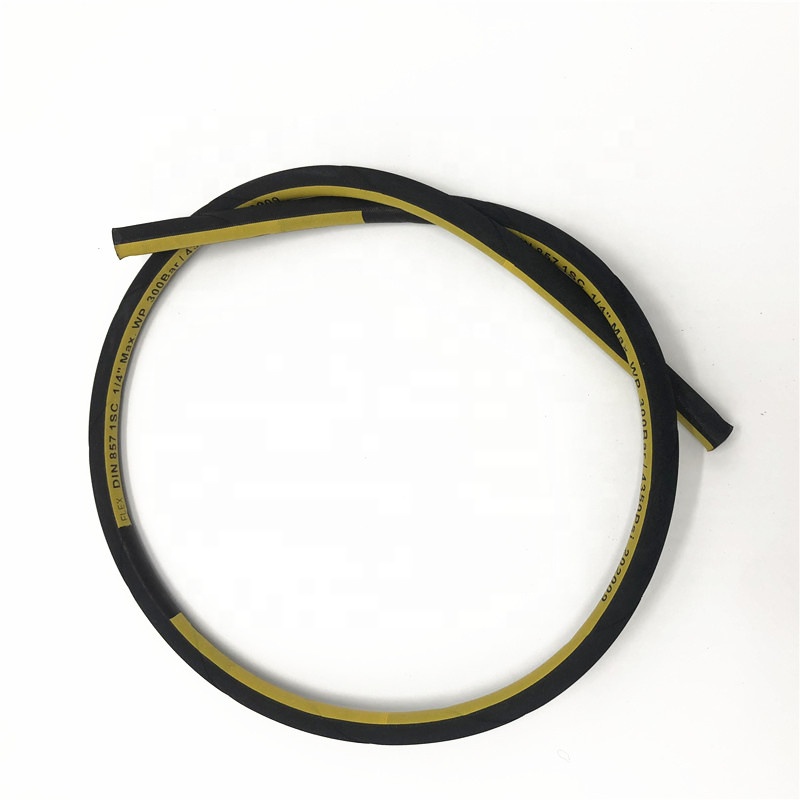
Single fiber braid hydraulic hose represents a foundational component in fluid power systems across a wide spectrum of industrial applications. This hose type, characterized by a single layer of high-tensile strength fiber braid reinforcement embedded within a flexible elastomeric inner tube and outer cover, delivers fluids under pressure. Its technical position within the industry chain is as a critical intermediary between fluid power sources (pumps, valves) and actuators (cylinders, motors). Core performance characteristics center around pressure rating, flexibility, temperature resistance, and fluid compatibility. Compared to multi-braid or spiral-wrapped hose constructions, single braid hose offers a cost-effective solution for lower to medium-pressure applications, typically up to 3000 PSI. The selection of appropriate materials and manufacturing processes directly influences its longevity and reliability, addressing key industry pain points related to downtime, fluid leakage, and safety hazards.
Material Science & Manufacturing
The construction of single fiber braid hydraulic hose relies on a combination of materials engineered for specific performance criteria. The inner tube is commonly composed of synthetic rubbers such as nitrile (NBR) for oil-based fluids, or ethylene propylene diene monomer (EPDM) for water-based fluids. NBR offers excellent resistance to petroleum-based oils, fuels, and lubricants, with a typical temperature range of -40°C to +100°C. EPDM provides superior resistance to heat, ozone, and weathering, suited for applications involving water glycol, brake fluids, and steam, operating typically between -50°C and +150°C. The reinforcement braid is traditionally manufactured from high-tensile strength synthetic fibers like polyester or aramid. Polyester offers a balance of cost and performance, providing adequate tensile strength and elongation properties. Aramid fibers, like Kevlar, provide significantly higher tensile strength and temperature resistance, though at a greater cost. The outer cover is typically constructed from Chlorinated Polyethylene (CPE) or Polyurethane (PU). CPE provides excellent abrasion resistance, weathering protection, and resistance to ozone. PU offers superior oil and chemical resistance, alongside good flexibility and abrasion characteristics.
Manufacturing commences with extrusion of the inner tube to precise dimensions, ensuring consistent wall thickness and uniformity. The fiber braid is then applied using a helical winding process, maintaining a consistent braid angle (typically 55-75 degrees) to maximize hoop strength and burst pressure resistance. This angle is critical; deviations can lead to localized stress concentrations and premature failure. Following braiding, the hose assembly undergoes vulcanization, a chemical process that cross-links the rubber polymers, imparting elasticity and durability. Critical parameters during vulcanization include temperature, pressure, and time. Improper vulcanization can result in under-cured rubber (lacking strength) or over-cured rubber (brittle and prone to cracking). Finally, the outer cover is extruded, and the hose is subjected to quality control testing including burst pressure tests, impulse pressure tests, and dimensional verification. Precise control of extrusion temperatures and cooling rates are essential to prevent defects like porosity and surface imperfections.
Performance & Engineering
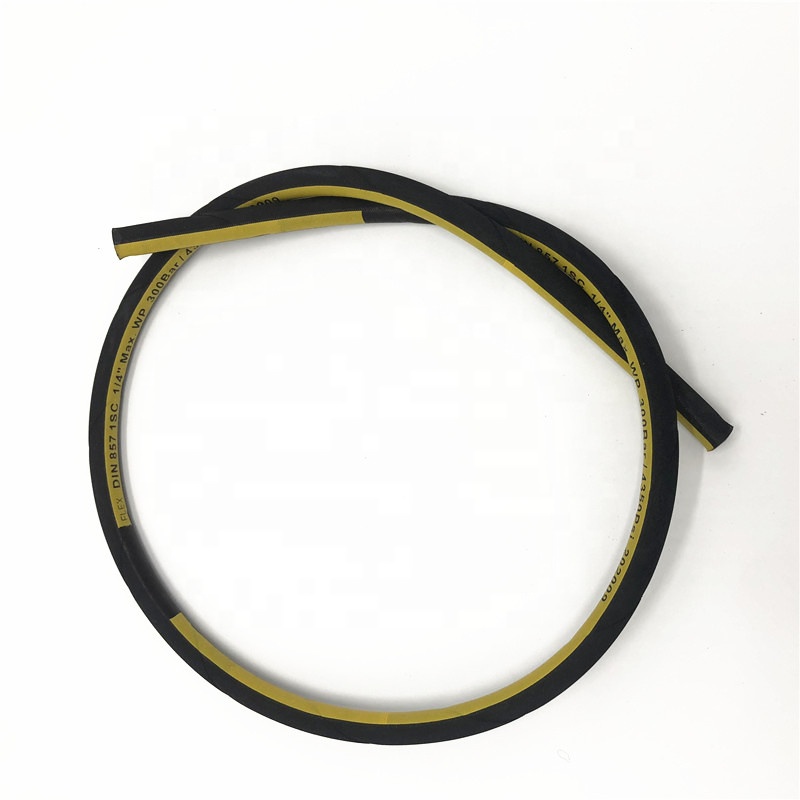
The performance of single fiber braid hydraulic hose is fundamentally dictated by its ability to withstand internal pressure without failure. Force analysis focuses on hoop stress, which is the circumferential tension within the hose wall caused by the fluid pressure. The fiber braid provides the necessary tensile strength to counteract this hoop stress. Burst pressure, the pressure at which the hose fails catastrophically, is a key design parameter, typically specified with a 4:1 safety factor for hydraulic applications. Impulse pressure, the cyclical pressure fluctuations common in hydraulic systems, introduces fatigue loading on the hose. Repeated impulse stresses can lead to gradual degradation of the rubber and braid fibers, resulting in premature failure. Flexibility is another crucial performance characteristic, determined by the hose's bend radius. A smaller bend radius indicates greater flexibility. Excessive bending, however, can induce localized stress and damage the reinforcement braid. Environmental resistance is paramount, as hoses are often exposed to harsh conditions including extreme temperatures, UV radiation, and corrosive fluids. Material selection is critical to ensure compatibility with the intended fluid and operating environment. Compliance with industry standards such as SAE J517 (Hydraulic Hose – Requirements for Performance) dictates minimum performance requirements for burst pressure, impulse pressure, and temperature range.
Technical Specifications
| Parameter | Unit | Typical Value (NBR/Polyester) | Typical Value (EPDM/Aramid) |
|---|---|---|---|
| Working Pressure | PSI | 2000 | 2500 |
| Burst Pressure | PSI | 8000 | 10000 |
| Temperature Range | °C | -40 to +100 | -50 to +150 |
| Inner Diameter | Inch | 0.25 - 2.0 | 0.25 - 1.5 |
| Outer Diameter | Inch | 0.375 - 2.25 | 0.438 - 1.75 |
| Braid Coverage | % | 40-50 | 50-60 |
Failure Mode & Maintenance
Single fiber braid hydraulic hose is susceptible to several failure modes in practical applications. Fatigue cracking is a common issue, particularly under cyclical impulse loading, originating in the braid structure and propagating through the rubber matrix. Delamination, the separation of the hose layers (inner tube, braid, and outer cover), can occur due to poor adhesion between materials or exposure to aggressive fluids. Oxidation of the rubber components, accelerated by heat and exposure to oxygen, leads to hardening, cracking, and loss of flexibility. Abrasion of the outer cover, caused by rubbing against other components, compromises its protective function and exposes the reinforcement braid to corrosion. Chemical degradation, resulting from incompatibility between the hose material and the conveyed fluid, leads to swelling, softening, and loss of mechanical properties.
Preventative maintenance is crucial to extend hose life and prevent catastrophic failures. Regular visual inspections should be conducted to identify signs of wear, cracking, abrasion, or swelling. Hose routing should be carefully planned to minimize bending stress and contact with sharp objects. Fluid compatibility should be verified before use. Hoses should be replaced at regular intervals, dictated by operating conditions and manufacturer recommendations. Proper storage, away from direct sunlight, ozone sources, and extreme temperatures, is essential. When replacing a hose, ensure the new hose meets or exceeds the original specifications. Proper crimping of fittings is vital; under-crimped fittings can leak, while over-crimped fittings can damage the hose. Employ trained personnel and calibrated crimping equipment.
Industry FAQ
Q: What is the primary difference between single braid and two-braid hydraulic hose in terms of application suitability?
A: Single braid hose is typically suitable for lower-pressure applications (up to 3000 PSI) where flexibility is a priority. Two-braid hose, with its increased reinforcement, is designed for higher-pressure systems (up to 4500 PSI or higher) and offers greater resistance to burst and impulse pressures. The choice depends on the system’s operating pressure and the required safety factor.
Q: How does temperature affect the performance and lifespan of a single fiber braid hose?
A: Temperature extremes significantly impact hose performance. High temperatures accelerate rubber degradation and reduce tensile strength. Low temperatures can cause the rubber to become brittle and less flexible. Exceeding the specified temperature range can lead to premature failure. Selecting a hose material appropriate for the operating temperature is critical.
Q: What are the common causes of leakage in single fiber braid hydraulic hose?
A: Leakage can stem from several factors, including improper fitting crimping, damage to the inner tube (e.g., abrasion or chemical attack), fatigue cracking in the hose wall, or degradation of the hose material. Regular inspection and proper maintenance are essential to identify and address potential leak points.
Q: Can a single fiber braid hose be used with different types of hydraulic fluids?
A: No, it's crucial to ensure fluid compatibility. Using an incompatible fluid can cause the inner tube to swell, soften, or degrade, leading to failure. NBR is generally suitable for petroleum-based oils, while EPDM is better for water-based fluids. Always consult the hose manufacturer’s compatibility chart.
Q: How can I determine the appropriate bend radius for a single fiber braid hose to prevent damage?
A: The minimum bend radius is typically specified by the hose manufacturer, often as a multiple of the hose’s inner diameter. Exceeding the recommended bend radius can induce excessive stress on the reinforcement braid, leading to premature failure. Consult the manufacturer's specifications and avoid sharp bends.
Conclusion
Single fiber braid hydraulic hose remains a prevalent and cost-effective solution for a broad range of low to medium-pressure hydraulic applications. Its performance is fundamentally linked to the meticulous selection of materials – specifically the inner tube elastomer, braid reinforcement, and outer cover – and the adherence to precise manufacturing processes, notably extrusion and vulcanization. Understanding the interplay between operating parameters (pressure, temperature, fluid compatibility) and potential failure modes (fatigue cracking, delamination, oxidation) is paramount for ensuring longevity and reliability.
Future developments in this technology may focus on enhanced material science, incorporating advanced polymer blends and high-performance fiber reinforcements to improve pressure ratings, temperature resistance, and chemical compatibility. Furthermore, the implementation of advanced non-destructive testing methods during manufacturing and in-service inspection will contribute to improved quality control and preventative maintenance strategies, minimizing downtime and enhancing safety across diverse industrial sectors.