
Apr . 01, 2024 17:55 Back to list
semperit hydraulic hose Performance Analysis
Introduction
Semperit hydraulic hose represents a critical component in fluid power systems across diverse industries including construction, agriculture, mining, and manufacturing. These hoses are engineered for the reliable transmission of hydraulic fluid under high pressure, facilitating the operation of heavy machinery and critical industrial processes. Positioned within the industry chain as a downstream component following hydraulic pump and valve manufacture, the performance of Semperit hose directly impacts system efficiency, safety, and longevity. Core performance characteristics revolve around burst pressure, working pressure, temperature resistance, and fluid compatibility. A key industry pain point centers on premature hose failure due to improper selection for the application, leading to costly downtime and potential safety hazards. Understanding the intricacies of hose construction, material properties, and operational limits is paramount for effective system design and maintenance.
Material Science & Manufacturing
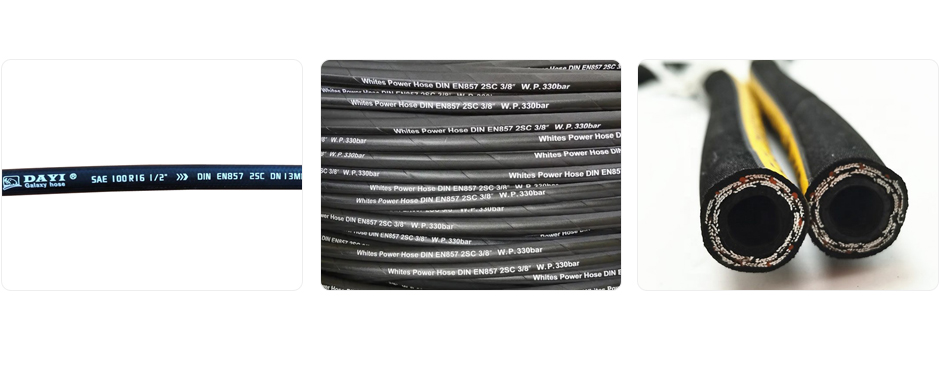
Semperit hydraulic hose construction typically involves multiple layers, each contributing to specific performance attributes. The innermost layer, the tube, is typically composed of synthetic rubber compounds, predominantly nitrile rubber (NBR), chloroprene rubber (CR, or Neoprene), or ethylene propylene diene monomer (EPDM) rubber, selected based on fluid compatibility. NBR offers excellent resistance to petroleum-based hydraulic fluids, CR provides superior weather resistance, and EPDM excels in phosphate ester fluid applications. The reinforcement layer is crucial for withstanding high pressure. This layer is commonly constructed from multiple spiraled or braided high-tensile steel wire. The number of spirals or braids dictates the hose’s pressure rating; more layers equate to higher pressure capacity. An intermediate cover layer, often a blend of synthetic rubbers, provides bonding between the reinforcement and the outer cover. Finally, the outer cover, typically a specialized abrasion and weather-resistant rubber compound, protects the hose from external damage.
Manufacturing processes vary depending on hose type. Spiral hoses are produced by continuously winding pre-tensioned steel wire around a mandrel, followed by simultaneous extrusion of the inner tube and outer cover. Braided hoses involve interlacing multiple strands of steel wire in a braided pattern around the inner tube, again followed by outer cover extrusion. Critical parameters during manufacturing include wire tension, extrusion temperature, curing time, and dimensional accuracy. Precise control of these parameters is vital to ensure consistent quality and adherence to performance specifications. Post-manufacturing, hoses undergo rigorous pressure testing to verify burst strength and leak tightness. Quality control also includes dimensional checks, material hardness testing, and visual inspection for defects.
Performance & Engineering
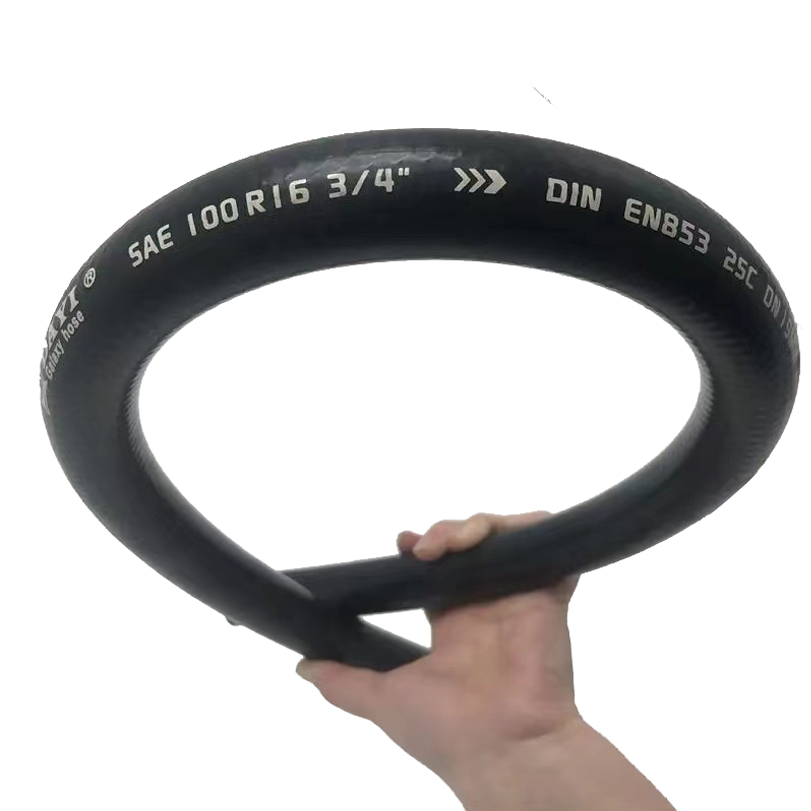
The performance of a Semperit hydraulic hose is governed by fundamental engineering principles. Force analysis under pressure dictates the stresses within the hose layers. Hoop stress, acting circumferentially, is primarily resisted by the reinforcement layer. Longitudinal stress, arising from internal pressure, is also countered by the reinforcement. Fatigue life is a critical consideration, as hydraulic systems often involve cyclic pressure fluctuations. Hose materials are subject to fatigue cracking over time, particularly in areas of high stress concentration (e.g., fitting crimps). Environmental resistance is paramount; exposure to temperature extremes, UV radiation, ozone, and corrosive fluids can degrade hose materials, reducing their strength and flexibility.
Compliance requirements are stringent, demanding adherence to international standards such as SAE J517 (Hydraulic Hose – Performance Characteristics) and EN 853 (Hydraulic hoses – Construction, test methods and performance characteristics). These standards define performance criteria for burst pressure, working pressure, impulse pressure, temperature range, and fluid compatibility. Functional implementation necessitates careful consideration of fitting selection and crimping procedures. Improperly crimped fittings can lead to leaks or premature hose failure. Hose routing also plays a crucial role; avoiding sharp bends, kinks, and abrasion points is essential for maximizing hose life. Furthermore, the hose must be compatible with the hydraulic fluid used in the system to prevent swelling, degradation, or contamination.
Technical Specifications
| Parameter | Unit | Typical Value (DN20 Hose) | Typical Value (DN50 Hose) |
|---|---|---|---|
| Working Pressure | MPa | 20 | 16 |
| Burst Pressure | MPa | 80 | 64 |
| Temperature Range | °C | -40 to +100 | -40 to +100 |
| Inner Tube Material | - | NBR | NBR |
| Reinforcement | - | 2 Steel Wire Braid | 4 Steel Wire Spiral |
| Outer Cover Material | - | Synthetic Rubber | Synthetic Rubber |
Failure Mode & Maintenance
Semperit hydraulic hose is susceptible to various failure modes. Fatigue cracking, often initiated at fitting crimps or areas of high stress, is a common issue, particularly in systems with pulsating pressure. Delamination, the separation of hose layers, can occur due to improper bonding during manufacturing or prolonged exposure to heat and fluids. External abrasion, caused by contact with abrasive surfaces, can erode the outer cover, exposing the reinforcement and leading to corrosion. Internal degradation, resulting from fluid contamination or incompatibility, can cause swelling, softening, or cracking of the inner tube. Oxidation, triggered by exposure to oxygen and ozone, can harden and embrittle the rubber compounds.
Preventive maintenance is critical for extending hose life. Regular visual inspections should be conducted to identify signs of wear, abrasion, cracking, or leaks. Hose routing should be checked to ensure proper support and clearance. Fluid contamination should be minimized through the use of filters. Hose assemblies should be replaced periodically, even if no visible damage is apparent, based on manufacturer recommendations and operating conditions. When replacing hoses, it's crucial to use fittings specifically designed for the hose type and to ensure proper crimping procedures are followed. Leaking hoses should be immediately replaced to prevent further system damage and potential safety hazards. Proper storage of hoses – away from direct sunlight, heat, and ozone sources – is also essential.
Industry FAQ
Q: What is the impact of fluid velocity on hose life?
A: High fluid velocity can exacerbate erosion of the inner tube, particularly if the fluid contains abrasive particles. It also increases pressure drop and can contribute to hose whipping under pressure surges, accelerating fatigue failure. Maintaining optimal fluid velocity within the hose's specified limits is crucial.
Q: How does temperature affect hydraulic hose performance?
A: Elevated temperatures can reduce the strength and flexibility of rubber compounds, leading to premature failure. Low temperatures can cause rubber to stiffen and become brittle, increasing the risk of cracking. Operating within the hose's specified temperature range is essential.
Q: What is the significance of impulse pressure rating?
A: Impulse pressure refers to the hose's ability to withstand pressure spikes or surges that occur in hydraulic systems. A higher impulse pressure rating indicates greater resistance to fatigue failure under fluctuating pressure conditions. This is critical in applications with frequent valve actuation or rapid cylinder movements.
Q: Can different types of hydraulic fluids be used in the same hose?
A: No. Different hydraulic fluids have varying chemical compositions and compatibility requirements. Using an incompatible fluid can cause the hose material to swell, degrade, or crack, leading to premature failure. It's crucial to select a hose specifically designed for the fluid being used.
Q: What are the best practices for storing hydraulic hoses?
A: Hydraulic hoses should be stored in a cool, dry, and dark location, away from direct sunlight, heat sources, and ozone. They should be coiled loosely and protected from physical damage. Avoid storing hoses in contact with incompatible materials or in areas with high humidity.
Conclusion
Semperit hydraulic hose represents a sophisticated engineering solution for fluid power transmission, reliant on careful material selection, precise manufacturing processes, and adherence to stringent industry standards. Understanding the interplay between material properties, operating conditions, and potential failure modes is vital for ensuring reliable and safe system operation. Proper hose selection, installation, and maintenance are paramount for maximizing service life and minimizing downtime.
Looking ahead, advancements in hose materials, such as thermoplastic materials and specialized rubber compounds, are poised to further enhance performance and durability. Increased emphasis on predictive maintenance techniques, utilizing sensor technology to monitor hose condition in real-time, will enable proactive intervention and prevent catastrophic failures. Continued adherence to evolving industry standards and a focus on sustainability will drive innovation in hydraulic hose technology.