
Apr . 01, 2024 17:55 Back to list
sel hydraulic hose Performance Analysis
Introduction
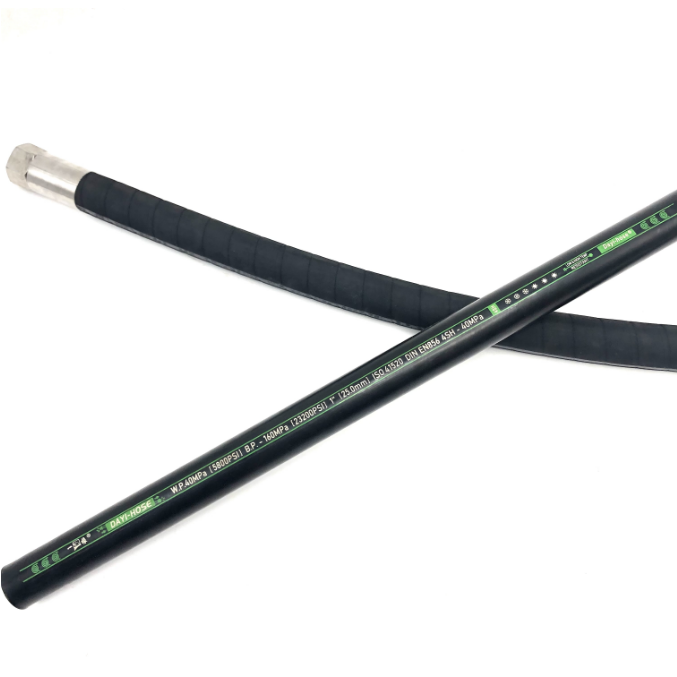
SEL hydraulic hose represents a critical component in fluid power systems across diverse industrial applications. Positioned within the hydraulic system's power transmission chain, these hoses facilitate the conveyance of pressurized hydraulic fluid, enabling the operation of machinery in sectors like construction, agriculture, manufacturing, and materials handling. Core performance characteristics center around pressure rating, temperature resistance, fluid compatibility, and resistance to abrasion and fatigue. A key industry pain point lies in ensuring hose longevity and preventing catastrophic failure, directly impacting operational uptime and safety. The selection of the appropriate SEL hydraulic hose construction, considering both the operating environment and fluid characteristics, is paramount to system reliability. This guide provides an in-depth exploration of the material science, manufacturing processes, performance parameters, potential failure modes, and maintenance protocols associated with SEL hydraulic hose.
Material Science & Manufacturing
SEL hydraulic hoses are typically constructed from several key material layers, each contributing to specific performance attributes. The inner tube, in direct contact with the hydraulic fluid, is commonly composed of synthetic rubbers like nitrile (NBR), ethylene propylene diene monomer (EPDM), or fluorocarbon (FKM/Viton), selected based on fluid compatibility and temperature range. NBR offers good resistance to petroleum-based fluids, while EPDM excels in phosphate ester applications. FKM provides superior resistance to aggressive fluids and high temperatures. Reinforcement layers provide the structural integrity to withstand high pressures. These layers commonly utilize multiple braids of high-tensile steel wire, spirally wound steel wire, or synthetic fiber (aramid, polyester). The outer cover provides abrasion, weather, and chemical resistance, typically utilizing materials like chloroprene (CR) or polyurethane (PU).
Manufacturing processes vary depending on hose construction. Braided hoses involve helical winding of steel wires around a mandrel, followed by vulcanization with the inner tube and outer cover. Spiral-wound hoses employ a single, continuously wound high-tensile steel wire helix, providing higher pressure ratings. Key parameter control during manufacturing includes precise wire tension during winding, consistent rubber compound mixing and curing, and adherence to dimensional tolerances. Vulcanization temperature and time are crucial, impacting the rubber’s cross-linking density and ultimately its performance characteristics. Non-destructive testing, such as ultrasonic inspection, is frequently employed to detect flaws in the reinforcement layers. Proper pre-treatment of steel wire is essential to prevent corrosion and ensure adequate adhesion to the rubber compounds.
Performance & Engineering
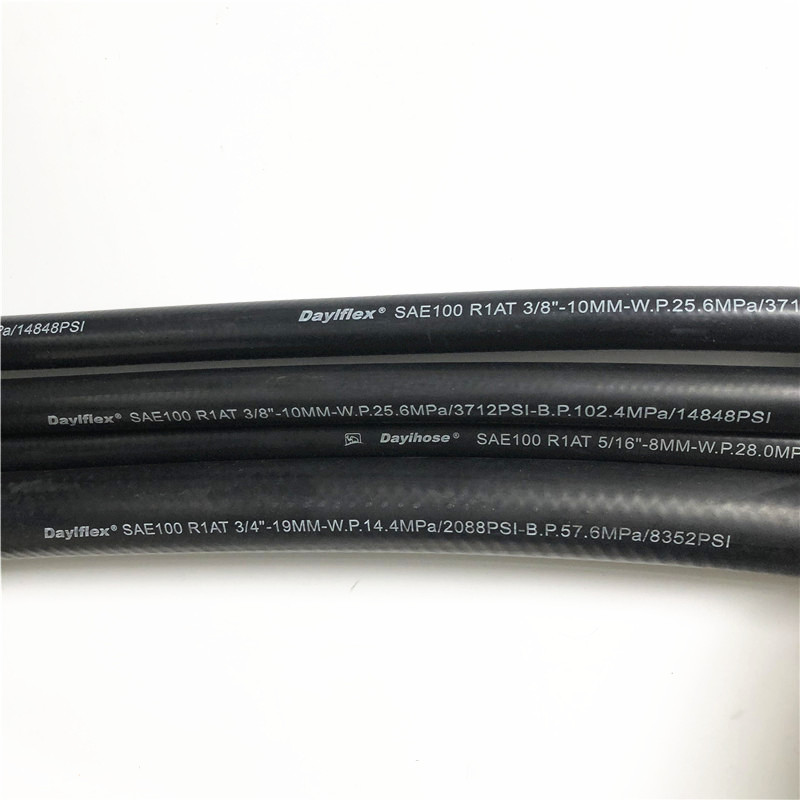
The performance of SEL hydraulic hose is dictated by several engineering considerations. Burst pressure, working pressure, and temperature range are primary specifications. Burst pressure represents the maximum pressure the hose can withstand before failure, while working pressure is a fraction of the burst pressure, defining the safe operating limit. Temperature resistance dictates the hose’s ability to maintain its integrity at both high and low temperatures. Environmental resistance encompasses exposure to UV radiation, ozone, chemicals, and abrasion.
Force analysis is critical in hose design. The reinforcement layer must withstand the hoop stress generated by the internal fluid pressure. Hose bending radius is another crucial parameter, as excessive bending can induce stress concentration and premature failure. Compliance requirements, such as those outlined by SAE (Society of Automotive Engineers) and EN (European Norm), dictate minimum performance standards and testing procedures. Functional implementation relies on proper hose assembly techniques, utilizing correctly sized fittings and ensuring adequate crimp force. Fittings must be compatible with both the hose material and the hydraulic fluid to prevent leakage and corrosion. Dynamic performance, particularly impulse pressure resistance, is vital in applications involving pulsations or pressure spikes. The hose must be able to withstand repeated pressure fluctuations without experiencing fatigue failure.
Technical Specifications
| Parameter | Unit | Typical Value (Example - SEL 100 Series) | Testing Standard |
|---|---|---|---|
| Working Pressure | MPa | 20.7 | SAE J517 |
| Burst Pressure | MPa | 82.7 | SAE J517 |
| Temperature Range | °C | -40 to +100 | SAE J517 |
| Inner Tube Material | - | NBR | ASTM D2000 |
| Reinforcement | - | 2 Steel Wire Braids | SAE J517 |
| Outer Cover Material | - | CR | ASTM D2000 |
Failure Mode & Maintenance
SEL hydraulic hose is susceptible to several failure modes. Fatigue cracking, caused by repeated flexing and pressure cycles, is a common occurrence, particularly near fittings. Abrasion, resulting from contact with abrasive surfaces, can damage the outer cover, leading to reinforcement exposure and eventual failure. Chemical degradation, caused by incompatible hydraulic fluids, can compromise the inner tube's integrity. Hydrolytic degradation, especially in ester-based fluids, attacks the polymer chains within the rubber compounds. Corrosion of the steel reinforcement, triggered by moisture ingress or fluid contamination, weakens the hose structure. Fitting failure, due to improper crimping or corrosion, can lead to leaks and hose separation.
Preventative maintenance is crucial to extend hose life. Regular visual inspections for abrasion, cracking, and leaks are essential. Proper routing and support are necessary to minimize bending stress. The hydraulic fluid should be regularly analyzed for contamination and degradation. Hose assemblies should be replaced at recommended intervals, regardless of visual condition. When replacing hoses, ensure compatibility with the hydraulic fluid and operating conditions. Proper torque specifications for fittings must be adhered to during assembly. Utilizing hose guards and protective sleeves can mitigate abrasion damage. Proper storage in a cool, dry environment, protected from UV radiation, can prevent premature degradation.
Industry FAQ
Q: What is the impact of fluid velocity on hydraulic hose life?
A: Higher fluid velocity increases the risk of erosion and turbulence, accelerating wear on the inner tube and potentially leading to fatigue failure. Optimizing system design to minimize fluid velocity within the hose is critical for maximizing longevity.
Q: How does temperature affect the performance of a hydraulic hose?
A: Elevated temperatures can reduce the rubber’s tensile strength and flexibility, increasing the risk of cracking and leakage. Low temperatures can decrease flexibility, making the hose more susceptible to damage during bending. Selecting a hose with an appropriate temperature range for the operating environment is crucial.
Q: What are the implications of using incompatible hydraulic fluids?
A: Incompatible fluids can cause swelling, softening, or cracking of the inner tube, leading to leaks and hose failure. Always verify fluid compatibility with the hose manufacturer’s specifications.
Q: What is the best method for preventing hose twist?
A: Hose twist introduces internal stress and accelerates fatigue failure. Using swivels at hose connections and ensuring proper routing can prevent twisting.
Q: What is the correct procedure for crimping hose fittings?
A: Proper crimping requires the correct die size and crimping pressure, as specified by the fitting manufacturer. Under-crimping can lead to leaks, while over-crimping can damage the hose reinforcement. Utilizing calibrated crimping equipment and following manufacturer's instructions is essential.
Conclusion
SEL hydraulic hose performance is fundamentally linked to meticulous material selection, precise manufacturing control, and diligent maintenance practices. Understanding the interplay between fluid compatibility, pressure ratings, temperature limitations, and environmental factors is paramount for ensuring operational reliability and preventing catastrophic failures. The implementation of robust preventative maintenance schedules, incorporating regular inspections and fluid analysis, will significantly extend hose service life and minimize downtime.
Looking ahead, advancements in hose materials, such as thermoplastic composites, promise enhanced performance characteristics, including higher pressure ratings, improved temperature resistance, and reduced weight. Continued refinement of hose assembly techniques and the adoption of predictive maintenance strategies, leveraging sensor technology and data analytics, will further optimize hydraulic system efficiency and safety. Ultimately, a comprehensive understanding of SEL hydraulic hose technology is crucial for engineers and procurement professionals alike.