
Apr . 01, 2024 17:55 Back to list
sae100r2at hydraulic hose Performance Analysis
Introduction
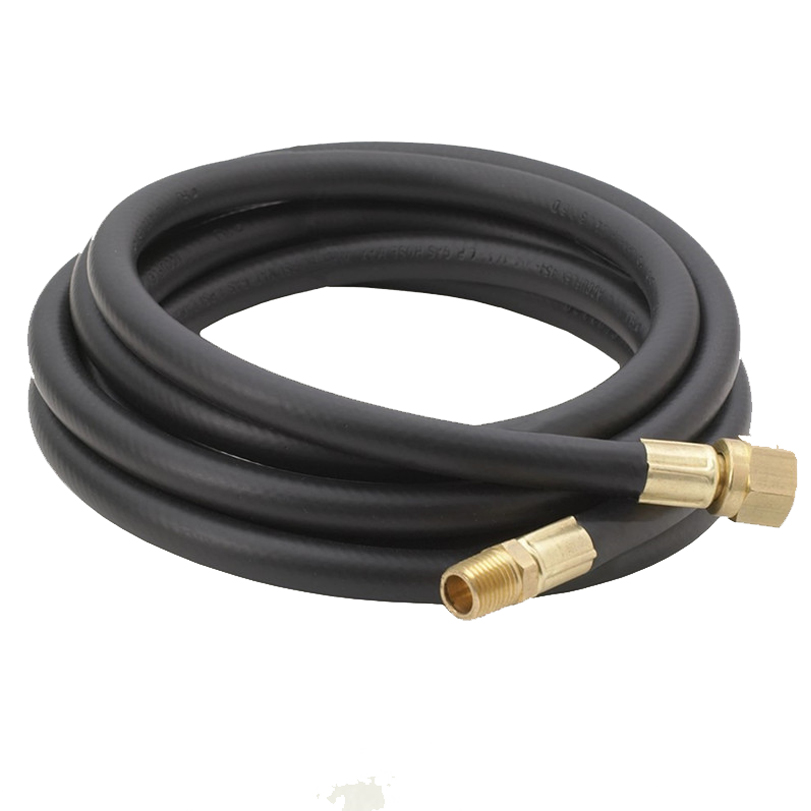
The SAE 100R2AT hydraulic hose is a critical component in hydraulic systems across diverse industries, including construction, agriculture, and manufacturing. Classified under the Society of Automotive Engineers (SAE) standard 100R2AT, this hose is designed for conveying hydraulic fluid under high pressure and in extreme temperature conditions. It represents a significant advancement over earlier SAE R2A specifications, incorporating a synthetic rubber tube, multiple steel wire reinforcement layers, and a synthetic rubber cover providing enhanced abrasion and weather resistance. Its position in the industry chain is as the final conduit delivering pressurized fluid from the pump to actuators, requiring consistent performance and reliability to prevent system failures and ensure operational safety. Core performance characteristics center around burst pressure, working pressure, temperature range, and fluid compatibility, defining its suitability for demanding hydraulic applications.
Material Science & Manufacturing
The SAE 100R2AT hose construction begins with the inner tube, typically composed of oil-resistant synthetic rubber, most commonly nitrile rubber (NBR) due to its excellent resistance to petroleum-based hydraulic fluids. NBR exhibits a glass transition temperature of approximately -40°C, maintaining flexibility at low temperatures. The reinforcement layer is crucial, consisting of multiple layers of high-tensile steel wire spiraled within the tube. The number of spirals directly correlates to the hose's burst pressure capability; typically, 2, 3, or 4 spiral layers are used. Steel wire is selected for its high yield strength and fatigue resistance. The cover is also a synthetic rubber compound, often a blend of Chloroprene (CR) – commonly known as Neoprene – and NBR, offering resistance to abrasion, ozone, weathering, and oil.
Manufacturing involves several key processes. The inner tube is extruded using a continuous extrusion process, ensuring consistent wall thickness and material distribution. The steel wire reinforcement is then spiraled onto the tube, with precise tension control being paramount. Incorrect tension can compromise the hose’s structural integrity. The cover is applied using a similar extrusion process, bonding securely to the reinforcement layer. Following extrusion, the hose undergoes a vulcanization process, employing heat and pressure to crosslink the rubber compounds, enhancing their physical properties and chemical resistance. Critical parameters during vulcanization include temperature, pressure, and cure time, all monitored rigorously to achieve optimal material characteristics. Final inspection includes hydrostatic testing to verify burst pressure, impulse testing to assess fatigue life, and dimensional checks to ensure conformance to SAE specifications.
Performance & Engineering
The performance of an SAE 100R2AT hose is governed by several critical engineering considerations. Force analysis centers on internal pressure, which generates hoop stress within the hose wall. This stress must be adequately countered by the tensile strength of the reinforcement layers. Fatigue analysis is also vital, as hydraulic systems subject the hose to cyclical pressure fluctuations, potentially leading to fatigue cracking. Impulse testing, as per SAE J343, simulates these cyclical loads to evaluate the hose’s durability. Environmental resistance is paramount; the hose must withstand exposure to a wide range of temperatures, typically -40°C to +100°C, and resist degradation from ozone, UV radiation, and chemical exposure.
Compliance requirements are dictated by SAE J517, which specifies performance characteristics, and SAE J343, which details testing procedures. Beyond SAE standards, specific applications may necessitate compliance with industry-specific regulations, such as those governing oil and gas exploration or hazardous material handling. Functional implementation involves careful consideration of hose routing, bend radius, and fitting selection. Excessive bending or improper fitting installation can induce stress concentrations, leading to premature failure. Furthermore, fluid compatibility is crucial; using incompatible fluids can cause swelling, softening, or degradation of the hose material. Selecting the correct hose based on fluid type, pressure requirements, and operating temperature is essential for ensuring system reliability and safety.
Technical Specifications
| Parameter | Unit | SAE 100R2AT Specification | Typical Value (Example) |
|---|---|---|---|
| Working Pressure | MPa | Up to 35 MPa | 28 MPa |
| Burst Pressure | MPa | Minimum 3.5 x Working Pressure | 98 MPa |
| Temperature Range | °C | -40 to +100 | -40 to +90 |
| Inner Tube | Material | Oil-resistant Synthetic Rubber (NBR) | Nitrile Rubber |
| Reinforcement | Layers | Multiple Steel Wire Spirals | 4 Spiral Layers |
| Cover | Material | Synthetic Rubber (CR/NBR Blend) | Chloroprene/Nitrile Blend |
Failure Mode & Maintenance
Common failure modes in SAE 100R2AT hoses include burst failure due to exceeding the working pressure, fatigue cracking from repeated pressure cycles, and cover degradation from environmental exposure. Pinholes can develop in the tube due to internal corrosion or abrasion from fluid contaminants. Fitting failures are also frequent, arising from improper installation, corrosion, or material fatigue. A critical failure analysis reveals that fatigue cracking often initiates at stress concentrators, such as bends or fitting attachment points. Delamination can occur between the tube, reinforcement, and cover layers if bonding is compromised. Oxidation of the rubber compounds, particularly at elevated temperatures, can lead to hardening and cracking.
Preventive maintenance is crucial. Regular visual inspections should identify cuts, abrasions, bulges, or leaks. Hose routing should minimize bending and avoid contact with abrasive surfaces. Fluid cleanliness is paramount; using appropriate filtration systems prevents contaminant-induced wear. Proper fitting installation, utilizing calibrated tools and appropriate sealant, is essential. Periodically, a pressure test should be conducted to verify hose integrity. If a hose exhibits any signs of damage or degradation, it should be replaced immediately. When replacing a hose, ensure the new hose has the correct specifications for the application, including pressure rating, temperature range, and fluid compatibility. Furthermore, proper storage of hoses in a cool, dry environment, protected from UV radiation, extends their service life.
Industry FAQ
Q: What is the difference between SAE 100R2AT and SAE 100R2A hydraulic hose?
A: The SAE 100R2AT hose provides significantly enhanced abrasion resistance compared to the older R2A standard, due to a more robust cover compound. It also features improved temperature performance and is generally constructed with a higher tensile strength reinforcement layer, providing a higher burst pressure rating.
Q: What impact does fluid compatibility have on the lifespan of a 100R2AT hose?
A: Incompatible fluids can cause the rubber compounds to swell, soften, or degrade, reducing the hose’s pressure rating and increasing the risk of failure. Using fluids specifically recommended for NBR (inner tube) and CR/NBR (cover) is crucial for longevity.
Q: How critical is proper fitting installation to the performance of a 100R2AT hose?
A: Improper fitting installation is a major cause of hose failure. Incorrect torque values can lead to fitting loosening or damage to the hose end. Using compatible fittings and following manufacturer’s installation instructions are essential.
Q: What are the consequences of exceeding the working pressure of a 100R2AT hose?
A: Exceeding the working pressure can cause immediate burst failure, posing a significant safety hazard. It can also lead to fatigue damage over time, reducing the hose’s lifespan and increasing the risk of catastrophic failure.
Q: How often should a 100R2AT hose be inspected for wear and tear?
A: Inspection frequency depends on the application severity. In demanding applications, monthly inspections are recommended. At a minimum, hoses should be inspected quarterly for any signs of damage, abrasion, or leakage.
Conclusion
The SAE 100R2AT hydraulic hose represents a robust and reliable solution for high-pressure fluid conveyance in a diverse range of industrial applications. Its construction, utilizing specifically engineered materials and manufacturing processes, ensures resistance to demanding operating conditions and delivers consistent performance. Understanding the underlying material science, performance characteristics, and potential failure modes is crucial for selecting the appropriate hose for a given application and implementing effective preventive maintenance strategies.
Future developments in hydraulic hose technology are focused on enhancing durability, reducing weight, and improving environmental sustainability. This includes exploring alternative materials, such as thermoplastic polymers, and optimizing hose designs to minimize stress concentrations. Continued adherence to SAE standards, coupled with rigorous testing and quality control measures, will ensure the continued reliability and safety of SAE 100R2AT hydraulic hoses in critical industrial applications.