
Apr . 01, 2024 17:55 Back to list
sae100r1at Hose Performance Analysis
Introduction
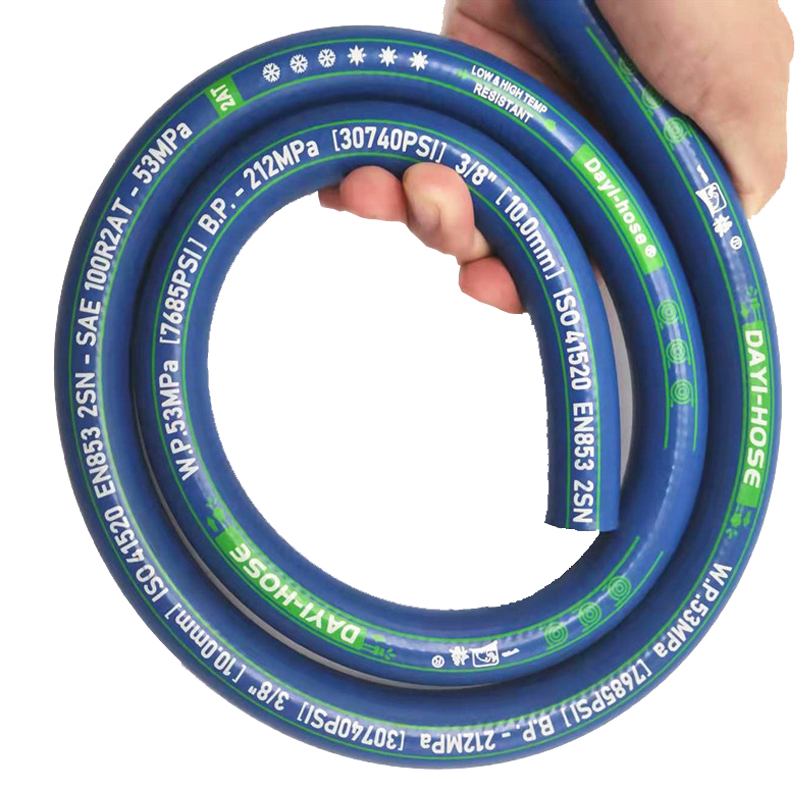
SAE 100R1AT hose is a critical component in hydraulic systems across numerous industries, including construction, agriculture, and manufacturing. It is a non-synthetic, rubber hose reinforced with multiple layers of high-strength steel wire, designed for the conveyance of hydraulic fluid under high pressure. Positioned within the hydraulic fluid power chain, it represents the final conduit delivering pressurized fluid to actuators and hydraulic tools. Its core performance characteristics center around burst pressure, working pressure, and temperature resistance, directly influencing system reliability and operational safety. This guide provides an in-depth technical analysis of SAE 100R1AT hose, covering material science, manufacturing processes, performance parameters, failure modes, and relevant industry standards. A key industry pain point addressed is ensuring compatibility with evolving hydraulic fluid formulations, particularly phosphate ester-based fluids, and preventing premature failure due to internal hose degradation and external abrasion.
Material Science & Manufacturing
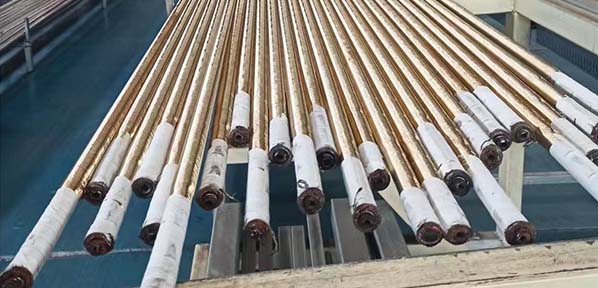
The construction of SAE 100R1AT hose relies on a complex interplay of materials and processes. The inner tube is typically composed of a nitrile rubber (NBR) compound, selected for its excellent resistance to petroleum-based hydraulic fluids. NBR exhibits good abrasion resistance and tensile strength. However, its compatibility with newer, more specialized fluids requires careful formulation adjustments. The reinforcement layers consist of multiple spirals of high-tensile steel wire, providing the hose with its pressure-bearing capacity. The steel wire is often coated with zinc or other corrosion-resistant materials to prevent internal corrosion and maintain flexibility. The outer cover is commonly made of Chloroprene rubber (CR), offering excellent resistance to abrasion, ozone, and weathering. Key manufacturing processes include extrusion for the inner tube and outer cover, calendaring for fabric reinforcement (often used in conjunction with wire reinforcement), and spiral winding of the steel wire. Precise control of extrusion temperature, wire tension during winding, and vulcanization time and temperature are critical parameters. Vulcanization, the crosslinking of rubber molecules with sulfur or other curing agents, is essential for achieving the desired mechanical properties, including tensile strength, elongation at break, and hardness. Inadequate vulcanization leads to tackiness and reduced durability, while over-vulcanization results in brittleness and cracking.
Performance & Engineering
The performance of SAE 100R1AT hose is dictated by several key engineering considerations. Burst pressure, typically four times the working pressure, is a critical safety factor. Working pressure ratings are determined through hydrostatic testing, where the hose is subjected to increasing internal pressure until it reaches its specified working pressure. Temperature resistance is another vital parameter, as hydraulic fluid temperature fluctuates during operation. Elevated temperatures can accelerate rubber degradation and reduce hose life. SAE 100R1AT hoses are generally rated for operating temperatures ranging from -40°C to +100°C. Flexibility, or bend radius, is crucial for ease of installation and to prevent kinking, which can restrict fluid flow and lead to premature failure. Force analysis, including tensile stress analysis of the reinforcement layers and shear stress analysis of the rubber compounds, is used to optimize hose design and ensure structural integrity. Compliance with SAE J517 standard is mandatory, defining dimensional requirements, performance characteristics, and testing procedures. Furthermore, the hose's resistance to fluid permeation is essential to maintain fluid cleanliness and prevent environmental contamination. Permeation rates are affected by the fluid type, temperature, and hose material composition.
Technical Specifications
| Parameter | Unit | Typical Value | Test Method |
|---|---|---|---|
| Working Pressure | MPa | 20.7 | SAE J517 |
| Burst Pressure | MPa | 82.7 | SAE J517 |
| Temperature Range | °C | -40 to +100 | SAE J517 |
| Inner Tube Material | - | Nitrile Rubber (NBR) | ASTM D2000 |
| Reinforcement | - | Multiple Steel Wire Spirals | Visual Inspection |
| Outer Cover Material | - | Chloroprene Rubber (CR) | ASTM D2000 |
Failure Mode & Maintenance
SAE 100R1AT hoses are susceptible to various failure modes in practical applications. Fatigue cracking, caused by repeated flexing and pressure cycling, is a common occurrence, particularly near fittings. Delamination of the reinforcement layers can occur due to inadequate bonding between the steel wire and the rubber compounds. Hydrolytic degradation, caused by the absorption of water into the rubber matrix, can lead to softening and reduced tensile strength. Oxidation, induced by exposure to oxygen and ozone, results in surface cracking and embrittlement. Abrasion, caused by contact with abrasive surfaces, can wear through the outer cover and expose the reinforcement layers. Internal corrosion of the steel wire reinforcement can occur due to the presence of water and corrosive contaminants in the hydraulic fluid. Preventative maintenance is crucial for extending hose life. Regular visual inspections should be conducted to identify signs of cracking, abrasion, or leakage. Hoses should be replaced if any damage is detected. Hydraulic fluid should be regularly analyzed to ensure it is clean and free of contaminants. Proper hose routing and support are essential to minimize stress and abrasion. Avoid sharp bends and ensure the hose is adequately protected from abrasion. Use of appropriate fittings and proper crimping techniques are vital to prevent leakage and fitting failure. A routine flushing of the hydraulic system can help remove contaminants and prevent internal corrosion.
Industry FAQ
Q: What is the impact of phosphate ester hydraulic fluids on SAE 100R1AT hose?
A: Phosphate ester fluids, while offering fire resistance, can accelerate the degradation of nitrile rubber (NBR) inner tubes in SAE 100R1AT hoses. They cause swelling and softening of the NBR, leading to reduced mechanical properties and increased permeation. Special hose constructions with alternative inner tube materials like Viton (FKM) are recommended for phosphate ester fluids.
Q: How does temperature affect the working life of a 100R1AT hose?
A: Elevated temperatures significantly reduce the service life of SAE 100R1AT hoses. Increased temperatures accelerate rubber oxidation and degradation, leading to embrittlement and cracking. Operating the hose consistently near its maximum temperature rating will drastically shorten its lifespan. Conversely, very low temperatures can reduce flexibility and increase the risk of cracking during flexing.
Q: What is the proper bend radius for a SAE 100R1AT hose to prevent kinking?
A: The minimum bend radius for a SAE 100R1AT hose is typically specified by the manufacturer and is related to the hose's diameter. Exceeding the recommended bend radius can cause kinking, restricting fluid flow and creating stress concentrations that lead to premature failure. Generally, a bend radius of at least 2.5 times the hose’s outer diameter is recommended.
Q: What type of fitting is recommended for SAE 100R1AT hose, and why is proper crimping important?
A: Field-attachable fittings conforming to SAE J518 standards are commonly used with SAE 100R1AT hose. Proper crimping is absolutely critical for ensuring a leak-proof and reliable connection. Incorrect crimp dimensions can lead to fitting blow-off, leakage, or hose slippage, all of which can result in system failure. A calibrated crimping tool and appropriate dies must be used.
Q: How can I identify potential internal corrosion in a 100R1AT hose?
A: Identifying internal corrosion is difficult without destructive testing. However, visual inspection for signs of fluid leakage around the fitting, discoloration of the hydraulic fluid, or the presence of metallic particles in the fluid can indicate internal corrosion. Regular fluid analysis can also detect the presence of corrosion byproducts. A reduction in hose flexibility can also be a sign of internal corrosion weakening the steel wire reinforcement.
Conclusion
SAE 100R1AT hose remains a cornerstone of hydraulic systems, providing a reliable and cost-effective solution for fluid power transmission. Its performance is intrinsically linked to the properties of its constituent materials – nitrile rubber, steel wire, and chloroprene rubber – and the precision of its manufacturing processes. Understanding the potential failure modes, including fatigue cracking, delamination, and corrosion, is critical for implementing effective preventative maintenance strategies.
Adhering to relevant industry standards, such as SAE J517 and ASTM D2000, is essential for ensuring product quality and system safety. The ongoing evolution of hydraulic fluid technologies, particularly the increasing use of phosphate ester fluids, necessitates careful material selection and hose specification to guarantee long-term compatibility and prevent premature failure. Continuous monitoring of hose condition and proactive replacement programs are fundamental to maximizing system uptime and minimizing operational risks.