
Apr . 01, 2024 17:55 Back to list
sae100r12 Hydraulic Hose Performance Analysis
Introduction
SAE 100R12 rubber hose is a critical component in hydraulic systems across a diverse range of industries, including construction, agriculture, manufacturing, and oil & gas. It represents a standardized, non-synthetic hydraulic hose designed for medium-pressure applications. Positioned within the hydraulic fluid power transmission chain, its function is to reliably convey hydraulic fluid from the pump to actuators and control valves, enabling the operation of machinery. Core performance characteristics include burst pressure, working pressure, temperature range, and fluid compatibility. Unlike synthetic rubber hoses (e.g., SAE 100R14), 100R12 hoses utilize a carcass constructed primarily from natural rubber, influencing its flexibility, temperature limitations, and resistance to specific fluids. A key industry pain point is ensuring consistent hose performance under demanding conditions, particularly regarding abrasion resistance and compatibility with increasingly complex hydraulic fluids. The selection of SAE 100R12 over alternative hose types is frequently dictated by cost considerations and application requirements where extreme temperature or specialized fluid resistance isn’t paramount.
Material Science & Manufacturing
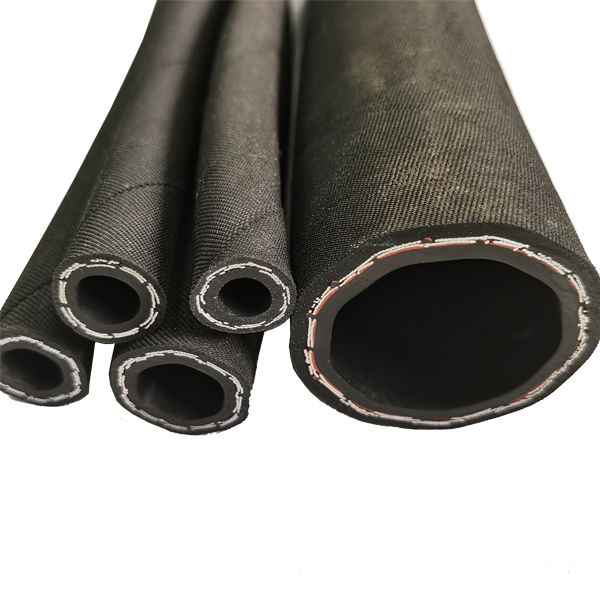
The construction of SAE 100R12 hose relies on a specific combination of materials. The inner tube is typically composed of natural rubber (SBR – Styrene-Butadiene Rubber is also frequently used), providing acceptable fluid compatibility with a range of hydraulic oils. The reinforcement layer consists of multiple plies of braided textile fiber, commonly high-tensile strength cotton or rayon, determining the hose’s burst pressure and flexibility. The outer cover is also generally natural rubber, providing abrasion and weather resistance. The manufacturing process begins with the extrusion of the inner tube, ensuring consistent wall thickness and dimensional accuracy. The braided reinforcement is then applied using a specialized braiding machine, controlling the braid angle and ply count to achieve the specified pressure rating. Finally, the outer cover is extruded over the reinforced inner tube. Critical parameters during manufacturing include rubber compound formulation (controlling hardness, elongation, and chemical resistance), braid tension (directly impacting burst strength), and vulcanization time and temperature (crucial for crosslinking the rubber and achieving desired mechanical properties). Post-vulcanization, hoses undergo rigorous testing for pressure integrity, dimensional accuracy, and fluid resistance. Maintaining consistent rubber compound quality is a primary challenge, as variations in ingredient ratios or mixing processes can significantly affect the hose’s performance characteristics.
Performance & Engineering
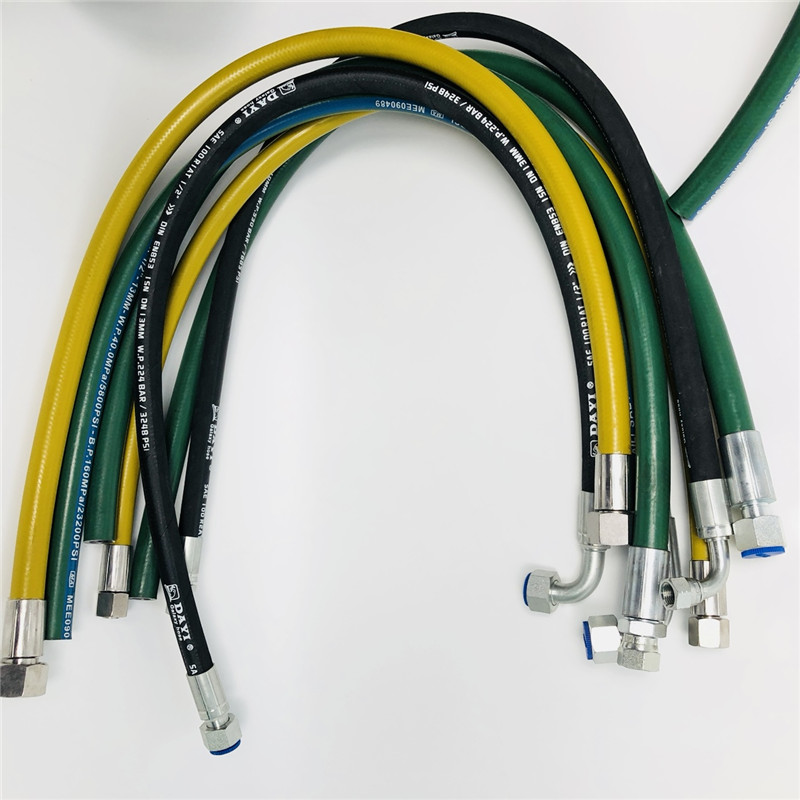
The performance of SAE 100R12 hose is governed by fundamental engineering principles related to fluid mechanics and material stress. Burst pressure, typically rated at 4:1 working pressure, is determined by the tensile strength of the reinforcement braid and the adhesion between the braid and the rubber compounds. Hose flexibility is a function of the braid angle, the rubber compound’s modulus of elasticity, and the hose diameter. The working pressure is designed for intermittent service, while surge pressures must be considered to avoid exceeding the hose’s limitations. Environmental resistance is a key concern; natural rubber is susceptible to degradation from UV exposure, ozone, and extreme temperatures. Temperature range is typically -40°C to +100°C, although this can vary based on the rubber compound. Fluid compatibility dictates the types of hydraulic fluids that can be safely conveyed without causing swelling, softening, or degradation of the hose material. Fatigue life, a critical parameter in cyclic applications, is influenced by pressure pulsations and hose bending. Finite Element Analysis (FEA) is frequently used to model hose behavior under various loading conditions, optimizing the reinforcement structure and predicting potential failure points. Compliance with SAE J517 standard is essential, ensuring interchangeability and performance consistency across different manufacturers.
Technical Specifications
| Parameter | Unit | Typical Value (SAE 100R12) | Testing Standard |
|---|---|---|---|
| Working Pressure | MPa | 10.5 | SAE J517 |
| Burst Pressure | MPa | 42 | SAE J517 |
| Temperature Range | °C | -40 to +100 | SAE J517 |
| Inner Tube Material | - | Natural Rubber (SBR) | ASTM D2000 |
| Reinforcement | - | Multiple Textile Braids (Cotton/Rayon) | SAE J517 |
| Cover Material | - | Natural Rubber | ASTM D2000 |
Failure Mode & Maintenance
SAE 100R12 hoses are susceptible to several failure modes in practical applications. Pinholes in the inner tube can occur due to degradation from incompatible fluids or internal abrasion from particulate contamination. Braid relaxation or separation from the rubber carcass can lead to catastrophic failure under pressure. Cracking in the outer cover is often caused by UV exposure, ozone attack, or flex fatigue. Kinking, resulting from excessive bending, can lead to localized stress concentrations and eventual rupture. Oxidation of the rubber compounds, particularly at elevated temperatures, causes embrittlement and reduced flexibility. Maintenance procedures are crucial to prolong hose life. Regular visual inspections should identify cracks, abrasions, or bulges. Fluid contamination should be minimized through filtration. Hoses should be protected from direct sunlight and extreme temperatures. Avoid sharp bends and ensure proper hose routing to prevent kinking. Replace hoses at recommended intervals or when signs of degradation are observed. Failure analysis should involve examining the fracture surface to determine the root cause of failure (e.g., material fatigue, chemical attack, or mechanical damage). Implementing a preventative maintenance program, including regular inspections and timely replacement, is paramount for ensuring hydraulic system reliability and safety.
Industry FAQ
Q: What is the primary difference between SAE 100R12 and SAE 100R14 hydraulic hoses?
A: The key difference lies in the tube and cover materials. SAE 100R12 utilizes natural rubber for both, while SAE 100R14 uses synthetic rubber (typically oil-based). This results in SAE 100R14 having superior resistance to oil-based hydraulic fluids, higher temperature capability, and improved abrasion resistance. However, SAE 100R12 is often more cost-effective for applications where those enhanced properties aren’t critical.
Q: How does fluid compatibility affect the lifespan of an SAE 100R12 hose?
A: Incompatible fluids can cause swelling, softening, or degradation of the natural rubber inner tube, leading to premature failure. For example, certain synthetic fluids can rapidly attack natural rubber. Selecting a hose specifically rated for the intended hydraulic fluid is crucial for maximizing lifespan and ensuring safe operation.
Q: What is the impact of surge pressure on SAE 100R12 hose integrity?
A: Surge pressures, or transient pressure spikes, exceed the normal working pressure and can significantly reduce the hose’s fatigue life. Repeated exposure to surge pressures can lead to premature failure, even if the surge pressure remains below the burst pressure. Implementing surge suppression devices in the hydraulic system is recommended to mitigate this risk.
Q: What are the best practices for storing unused SAE 100R12 hoses?
A: Unused hoses should be stored in a cool, dry, and dark environment, away from direct sunlight, ozone sources (e.g., electric motors), and excessive heat. Hoses should be coiled loosely and protected from physical damage. Regular inspection for signs of degradation is also recommended during storage.
Q: How often should SAE 100R12 hoses be replaced in a typical hydraulic system?
A: Replacement frequency depends on the severity of the operating conditions, the type of hydraulic fluid used, and the hose’s exposure to environmental factors. As a general guideline, hoses should be inspected every 6-12 months and replaced every 3-5 years, or sooner if signs of damage or degradation are observed. Critical applications may require more frequent inspection and replacement.
Conclusion
SAE 100R12 hydraulic hose remains a viable and cost-effective solution for medium-pressure hydraulic systems where extreme temperature or specialized fluid resistance isn't required. Its construction, relying on natural rubber and textile braiding, provides acceptable performance for a wide range of applications. Understanding the material properties, manufacturing processes, and potential failure modes is essential for ensuring safe and reliable operation.
Proper maintenance, including regular inspections, fluid compatibility checks, and timely replacement, is crucial for maximizing hose lifespan and preventing costly downtime. Future developments may focus on improving the abrasion resistance and UV stability of natural rubber compounds to enhance the overall durability of SAE 100R12 hoses while maintaining their cost-effectiveness.