
Apr . 01, 2024 17:55 Back to list
ryco hydraulic hose Performance Analysis
Introduction
Ryco hydraulic hose constitutes a critical component in fluid power systems across a diverse range of industries, including construction, agriculture, mining, and manufacturing. These hoses are engineered to transmit hydraulic fluid under high pressure to operate hydraulic machinery and actuators. Their technical position within the industry chain lies between the hydraulic fluid power unit (pump, reservoir, valves) and the end application (cylinder, motor, etc.). Ryco’s hose offerings prioritize burst pressure, operating pressure, temperature resistance, and fluid compatibility. Core performance characteristics center around maintaining fluid conveyance integrity, resisting kinking under bending stress, and preventing leaks to ensure system efficiency and operator safety. A critical pain point in the industry is ensuring hose assemblies meet stringent safety factors, as failure can lead to catastrophic equipment damage and personnel injury. Furthermore, selecting the correct hose construction for the application’s fluid type and operating conditions is paramount to preventing premature degradation and system downtime.
Material Science & Manufacturing
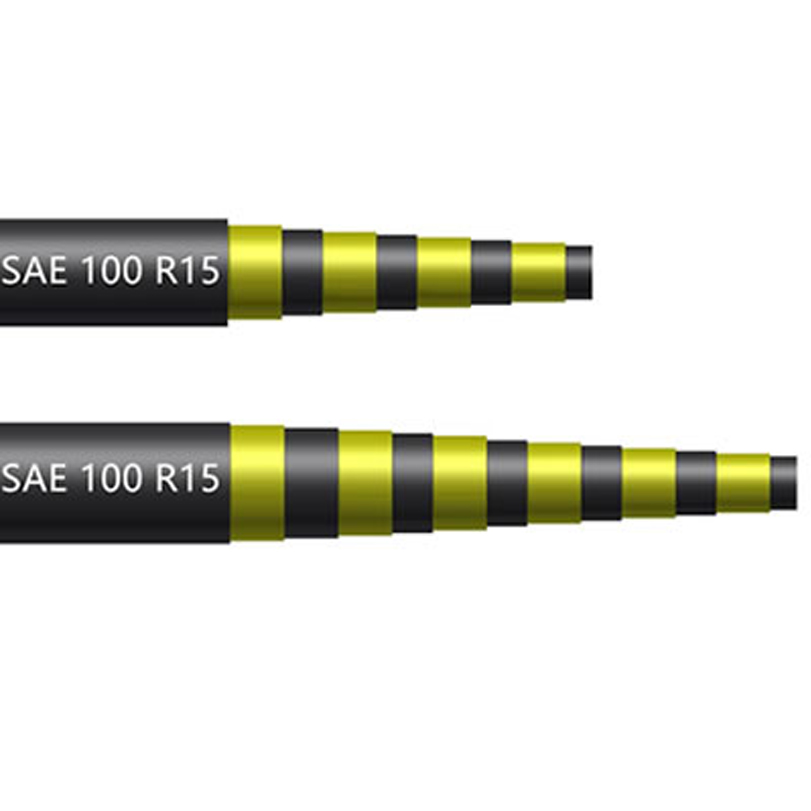
Ryco hydraulic hose construction typically involves a multi-layered configuration. The inner tube, crucial for fluid compatibility, is commonly composed of synthetic rubbers such as nitrile (NBR), chloroprene (CR), or fluoroelastomers (FKM/Viton®) depending on the fluid being conveyed. NBR provides excellent resistance to petroleum-based fluids, while CR offers good ozone and weathering resistance. FKM excels in high-temperature applications and compatibility with aggressive fluids. The reinforcement layer provides the hose’s pressure handling capability. Braided constructions using high-tensile steel wire are standard, with the number of braids directly correlating to the maximum working pressure. Spiral-wound reinforcement utilizing steel wire helices are used for higher pressure and flexibility requirements. The outer cover protects the reinforcement layer from environmental degradation and abrasion. Commonly utilized materials include synthetic rubbers like CR or polyurethane. Manufacturing processes begin with extrusion of the inner tube and outer cover. The reinforcement layer is then applied through braiding or winding. Critical parameters during braiding include wire tension and braid angle, impacting burst pressure and flexibility. Extrusion temperature and cure time are vital for ensuring proper rubber vulcanization, influencing fluid resistance and mechanical properties. Quality control involves hydrostatic testing to verify burst pressure and dimensional checks to ensure adherence to specifications. Post-processing includes cutting to length and fitting attachment, often involving crimping utilizing specifically calibrated dies.
Performance & Engineering
The performance of Ryco hydraulic hose is dictated by a complex interplay of material properties and geometric design. Force analysis focuses on hoop stress within the hose wall under internal pressure. Higher pressures necessitate increased reinforcement layers or higher-strength reinforcement materials. Bending radius is a critical engineering consideration; exceeding the minimum bend radius induces kinking, restricting fluid flow and potentially causing hose failure. Environmental resistance involves evaluating the hose’s performance under varying temperature extremes, exposure to ozone, UV radiation, and chemical exposure. Hydraulic fluids often contain additives that can cause swelling or degradation of the inner tube if the material is not properly selected. Compliance requirements depend on the application and geographical location. SAE J517 (Society of Automotive Engineers) is a widely recognized standard for hydraulic hose performance. EN 856 (European Norm) provides similar standards within Europe. Functional implementation involves proper hose assembly, including selecting compatible fittings and employing appropriate crimping procedures. Incorrect crimping can compromise the hose-to-fitting seal, leading to leaks. The static and dynamic fatigue life of the hose assembly is also paramount, influenced by factors such as pressure pulsation and vibration.
Technical Specifications
| Parameter | Unit | Specification (Typical - Series Dependent) | Testing Standard |
|---|---|---|---|
| Working Pressure | MPa | 10 - 35 | SAE J517 / EN 856 |
| Burst Pressure | MPa | 30 - 105 | SAE J517 / EN 856 |
| Temperature Range | °C | -40 to +100 | SAE J517 / EN 856 |
| Inner Tube Material | - | NBR, CR, FKM | ASTM D2000 |
| Reinforcement | - | Steel Wire Braid (2, 4, 6 Spiral) | SAE J517 / EN 856 |
| Outer Cover Material | - | CR, Polyurethane | ASTM D2000 |
Failure Mode & Maintenance
Ryco hydraulic hose failures commonly stem from several modes. Fatigue cracking occurs due to repeated flexing and pressure cycling, often initiated at areas of high stress concentration near fittings. Delamination involves separation of the reinforcement layers from the inner tube or outer cover, reducing pressure capacity. Degradation of the inner tube material occurs from chemical attack by incompatible fluids, leading to swelling, cracking, and leaks. Oxidation, particularly in the outer cover, causes hardening and cracking due to exposure to ozone and UV radiation. Abrasion from external contact can compromise the outer cover’s protective function. To mitigate these failures, regular visual inspections are crucial, focusing on identifying cuts, abrasions, bulges, and leaks. Hose assemblies should be replaced if any damage is detected. Maintaining proper system cleanliness prevents contamination that can accelerate wear. Correct hose routing is essential to avoid kinking and abrasion. A preventative maintenance schedule involving hose replacement based on operating hours or calendar intervals is recommended. Proper storage in a cool, dry, and dark environment prevents premature degradation. Fitting connections should be regularly checked for tightness and corrosion. When replacing hoses, ensure compatibility with the hydraulic fluid and operating conditions.
Industry FAQ
Q: What is the impact of impulse pressure on hydraulic hose life?
A: Impulse pressure, or pressure pulsations, significantly reduces hose life. These fluctuations generate dynamic stress within the hose wall, accelerating fatigue cracking. Higher impulse pressures necessitate hoses with more robust reinforcement and specialized construction designed to dampen pulsations. Consider using hose guards to further mitigate vibration-induced stress.
Q: How do I select the correct hose for a specific hydraulic fluid?
A: Fluid compatibility is paramount. Refer to the hose manufacturer’s chemical resistance chart to verify the inner tube material is compatible with the hydraulic fluid. Incompatibility can lead to swelling, softening, or cracking of the inner tube, resulting in leaks and system failure.
Q: What is the proper procedure for crimping hose fittings?
A: Correct crimping is critical for a leak-free seal. Use fittings and dies specifically matched to the hose and fitting size. Follow the manufacturer’s recommended crimping parameters (pressure and crimp diameter). Regularly calibrate crimping machines to ensure accuracy. Improper crimping can lead to premature failure at the fitting connection.
Q: What are the consequences of exceeding the minimum bend radius?
A: Exceeding the minimum bend radius induces kinking, restricting fluid flow and creating a stress concentration point. Kinking significantly reduces hose life and can lead to catastrophic failure. Ensure adequate clearance for hose routing to prevent bending beyond the specified radius.
Q: What is the role of hose guards in protecting hydraulic hoses?
A: Hose guards provide external protection against abrasion, cuts, and impacts. They also help to dampen vibration and prevent chafing between hoses. Using hose guards extends hose life, particularly in harsh operating environments.
Conclusion
Ryco hydraulic hose, as a critical component in numerous industrial applications, demands careful consideration of material selection, manufacturing processes, and operational parameters. Maintaining system integrity and operator safety hinges on selecting a hose construction appropriate for the specific fluid, pressure, temperature, and environmental conditions. Understanding the potential failure modes and implementing a robust preventative maintenance program are essential for maximizing hose lifespan and minimizing downtime.
Looking ahead, advancements in hose technology are focused on developing lighter-weight materials, enhancing chemical resistance, and improving impulse pressure performance. The increasing adoption of Industry 4.0 principles will likely lead to the integration of sensors within hose assemblies for real-time monitoring of pressure, temperature, and wear, enabling predictive maintenance and further enhancing system reliability.