
Apr . 01, 2024 17:55 Back to list
Rubber Hose Performance Analysis
Introduction
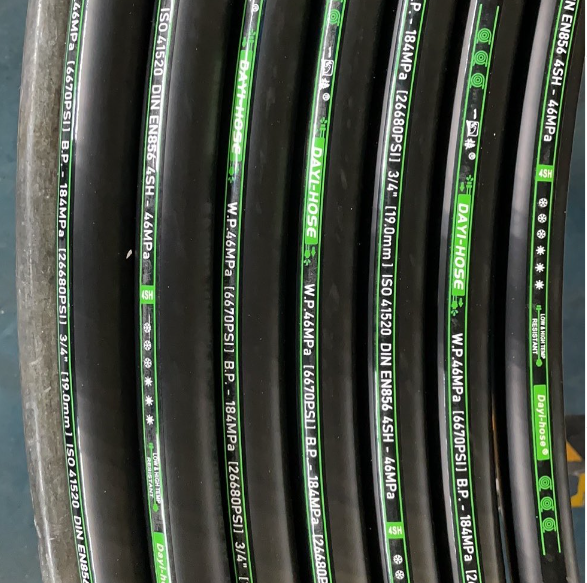
Rubber hose, a ubiquitous component in numerous industrial and automotive applications, serves as a flexible conduit for the transfer of fluids and gases. Positioned critically within supply chains supporting sectors like automotive manufacturing, chemical processing, agriculture, and construction, its performance directly impacts system efficiency and safety. This guide details the material science, manufacturing processes, performance characteristics, failure modes, and maintenance protocols associated with industrial rubber hose. Core performance attributes include pressure resistance, temperature tolerance, chemical compatibility, flexibility, and abrasion resistance – all paramount to reliable operation and extended service life. The selection process necessitates careful consideration of the specific operating environment and conveyed medium, as improper material choice can lead to premature failure and potentially hazardous conditions. This document provides a comprehensive technical overview aimed at engineers, procurement professionals, and maintenance personnel involved in the specification, installation, and upkeep of rubber hose systems.
Material Science & Manufacturing
The foundation of rubber hose lies in its polymeric composition. Common base polymers include Natural Rubber (NR), Styrene-Butadiene Rubber (SBR), Ethylene Propylene Diene Monomer (EPDM), Nitrile Rubber (NBR), Chloroprene Rubber (CR – Neoprene), and Silicone Rubber (VMQ). Each polymer exhibits distinct properties. NR offers excellent elasticity and tensile strength but limited resistance to oils and ozone. SBR is a cost-effective alternative with good abrasion resistance. EPDM excels in weather resistance and ozone exposure, making it ideal for outdoor applications. NBR provides superior oil and fuel resistance. CR exhibits good resistance to weathering, ozone, and moderate oil exposure. VMQ offers exceptional temperature resistance and flexibility. Reinforcement materials are crucial for withstanding internal pressures. These typically comprise textile plies (polyester, nylon) or steel wire helices, embedded within the rubber matrix.
Manufacturing typically involves several stages: compound mixing, extrusion, reinforcement application, curing (vulcanization), and finishing. Compound mixing precisely blends the base polymer with fillers (carbon black, silica), plasticizers, processing aids, antioxidants, and curing agents. Extrusion forces the compound through a die, shaping the hose to the desired dimensions. Reinforcement layers are applied during or immediately after extrusion. Vulcanization, a heat-induced chemical process, crosslinks the polymer chains, imparting elasticity, strength, and durability. Parameter control during vulcanization – temperature, pressure, and time – is critical; under-curing results in tackiness and poor mechanical properties, while over-curing leads to brittleness and reduced flexibility. Finishing includes cutting, fitting attachment, and quality control inspections. Specific manufacturing techniques, like braiding or spiraling reinforcement, significantly influence hose burst pressure and flexibility. The selection of curing agents (sulfur-based, peroxide-based) affects aging characteristics and resistance to specific chemicals.
Performance & Engineering
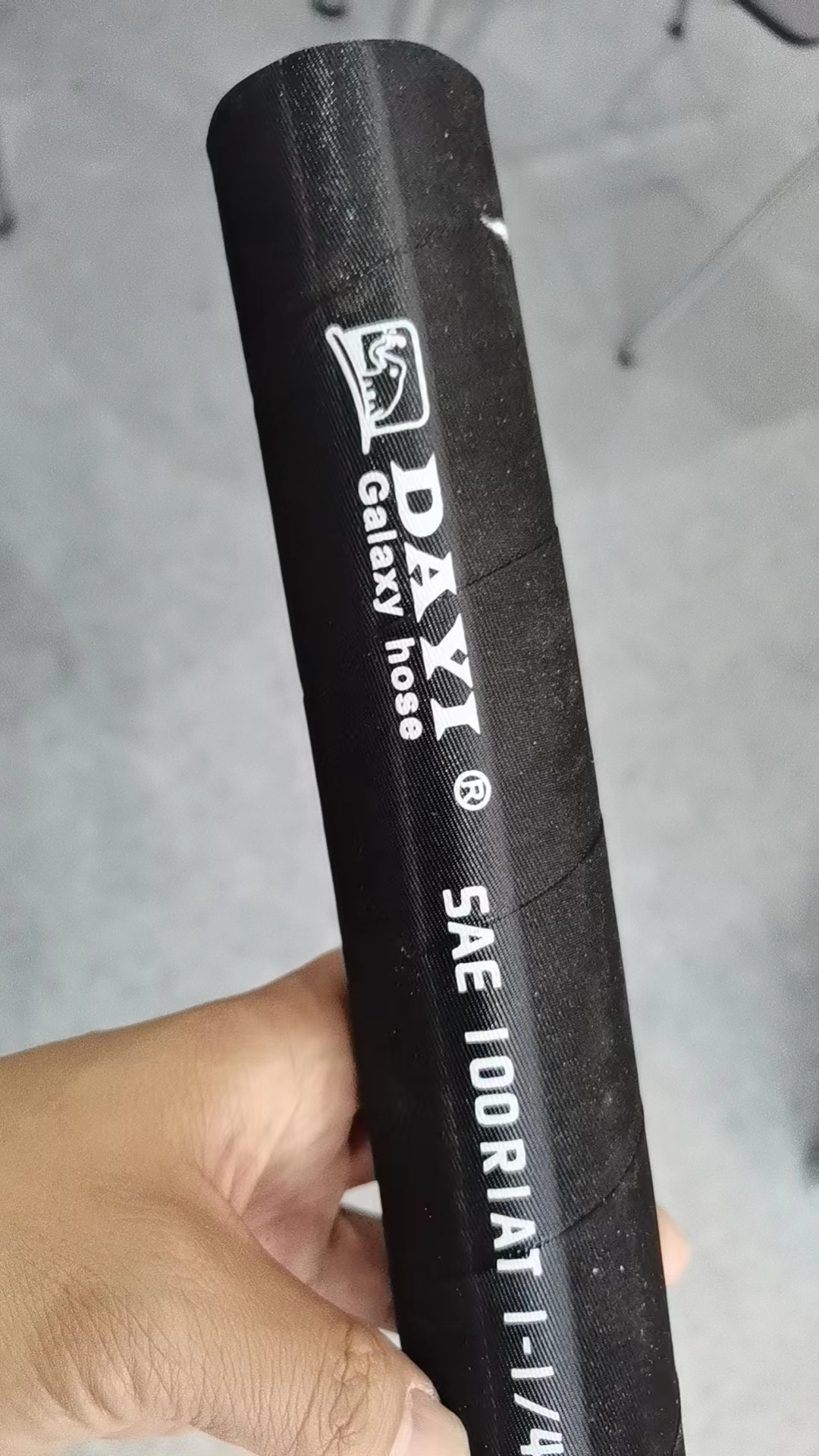
Rubber hose performance is dictated by its ability to withstand internal pressure, external loads, temperature fluctuations, and chemical exposure. Burst pressure, a critical parameter, is determined by the hose's dimensions, reinforcement type, and rubber compound. Hose wall thickness directly correlates with pressure resistance; thicker walls provide greater strength. Reinforcement materials play a vital role; steel wire provides higher burst pressures compared to textile braids. Temperature resistance is polymer-specific. NBR and EPDM offer broader temperature ranges than NR. Chemical compatibility is assessed by evaluating the rubber's resistance to swelling, degradation, and permeation when exposed to the conveyed fluid. The conveyed medium’s concentration, temperature, and exposure duration significantly affect performance.
Engineering considerations include stress analysis, fatigue life prediction, and compliance with industry standards. Hose bends induce stress concentrations; minimizing bend radii reduces the risk of failure. Cyclic pressure fluctuations contribute to fatigue, potentially leading to cracking and leakage. Finite Element Analysis (FEA) is frequently employed to model stress distributions and optimize hose designs. Relevant standards, such as SAE J30R series for fuel transfer hoses and ISO 1307 for hydraulic hoses, dictate performance requirements and testing procedures. Permeation rates, particularly for fuel hoses, are regulated to minimize evaporative emissions. Electrostatic discharge (ESD) protection is crucial for handling flammable fluids, requiring the use of conductive rubber compounds and grounding mechanisms. The design of hose end fittings – crimped, swaged, or threaded – must ensure a secure and leak-proof connection.
Technical Specifications
| Parameter | NBR Hose (Typical) | EPDM Hose (Typical) | Silicone Hose (Typical) | SAE J30R9 Fuel Hose |
|---|---|---|---|---|
| Operating Temperature (°C) | -40 to +120 | -50 to +150 | -60 to +200 | -40 to +121 |
| Burst Pressure (PSI) | 300-600 | 200-400 | 150-300 | 500 (varies by size) |
| Tensile Strength (MPa) | 15-25 | 12-20 | 8-15 | 17.2 |
| Oil Resistance | Excellent | Good | Poor | Excellent (Gasoline, Diesel) |
| Ozone Resistance | Poor | Excellent | Good | Moderate |
| Chemical Compatibility (Acids) | Moderate | Good | Excellent | Not Rated |
Failure Mode & Maintenance
Rubber hose failures typically manifest as cracking, blistering, permeation, or complete rupture. Fatigue cracking, induced by cyclic pressure or bending, initiates at stress concentrations. Ozone cracking, prevalent in NR and some SBR compounds, results in surface cracks due to ozone attack. Oil swelling causes rubber to soften and lose strength, leading to leaks. Chemical degradation weakens the polymer matrix, accelerating failure. Abrasion, particularly in applications involving abrasive materials, wears away the hose wall. Blistering occurs when internal pressure exceeds the hose’s capacity, causing localized delamination. Permeation, the diffusion of fluids through the hose wall, can lead to environmental contamination and reduced fluid delivery.
Preventive maintenance is critical for extending hose life. Regular visual inspections should identify cracks, blisters, swelling, or abrasion. Pressure testing can detect leaks and weaknesses. Hose should be replaced if any signs of degradation are observed. Proper storage – away from direct sunlight, ozone sources, and extreme temperatures – minimizes aging. Avoid sharp bends and excessive stretching during installation. Use appropriate fittings and ensure secure connections. Flush the hose periodically to remove debris and prevent clogging. For fuel hoses, implement a schedule for hose replacement based on operating conditions and manufacturer recommendations. Regularly check the integrity of reinforcement layers; corrosion of steel wire can compromise hose strength. Maintain detailed records of hose installation, inspection, and replacement dates.
Industry FAQ
Q: What is the primary difference between NBR and EPDM hose for industrial applications?
A: NBR excels in applications requiring oil and fuel resistance, making it suitable for hydraulic systems and fuel transfer lines. EPDM, conversely, demonstrates superior resistance to weathering, ozone, and heat, making it a better choice for outdoor applications, water transfer, and steam handling where oil exposure is minimal. The choice hinges on the conveyed medium and environmental conditions.
Q: How does reinforcement material affect the burst pressure of a rubber hose?
A: Reinforcement materials significantly influence burst pressure. Textile braids (polyester, nylon) offer moderate pressure resistance and flexibility. Steel wire helices provide substantially higher burst pressures, ideal for high-pressure hydraulic applications. The number of layers and the wire diameter directly correlate with the achievable burst pressure.
Q: What are the common causes of rubber hose failure in hydraulic systems?
A: Common failure modes include fatigue cracking due to cyclic pressure, abrasion from contaminated hydraulic fluid, and chemical degradation from incompatible fluids. Improper hose routing leading to excessive bending or twisting also contributes to failure. Maintaining fluid cleanliness and adhering to recommended pressure limits are crucial preventive measures.
Q: What are the implications of exceeding the recommended bend radius for a rubber hose?
A: Exceeding the recommended bend radius induces significant stress concentrations in the hose wall, accelerating fatigue cracking and potentially leading to premature failure. Sharp bends compromise the hose’s structural integrity and reduce its service life. Proper hose routing and support are essential.
Q: How do I determine the appropriate hose for conveying a specific chemical?
A: Consult chemical compatibility charts provided by hose manufacturers. These charts detail the resistance of various rubber compounds to different chemicals. Consider the chemical concentration, temperature, and exposure duration. If the compatibility is uncertain, conduct a small-scale compatibility test before deploying the hose in a full-scale application.
Conclusion
Rubber hose, while seemingly simple, represents a complex interplay of material science, manufacturing precision, and engineering considerations. Selecting the appropriate hose necessitates a thorough understanding of the operating environment, conveyed medium, and performance requirements. Factors such as pressure, temperature, chemical compatibility, and reinforcement type are all critical determinants of service life and reliability. Prioritizing proper installation, regular inspection, and preventative maintenance significantly extends hose lifespan and minimizes the risk of costly downtime and hazardous failures.
Looking forward, advancements in rubber compound technology will focus on enhancing chemical resistance, temperature stability, and abrasion resistance. The integration of sensor technology within hoses will enable real-time monitoring of pressure, temperature, and leakage, providing valuable data for predictive maintenance. Sustainability initiatives will drive the development of bio-based rubber materials and recyclable hose designs, reducing environmental impact and promoting circular economy principles. Continued adherence to international standards and best practices will remain paramount in ensuring the safe and efficient operation of rubber hose systems across diverse industries.