
Apr . 01, 2024 17:55 Back to list
red hydraulic hose Performance Analysis
Introduction
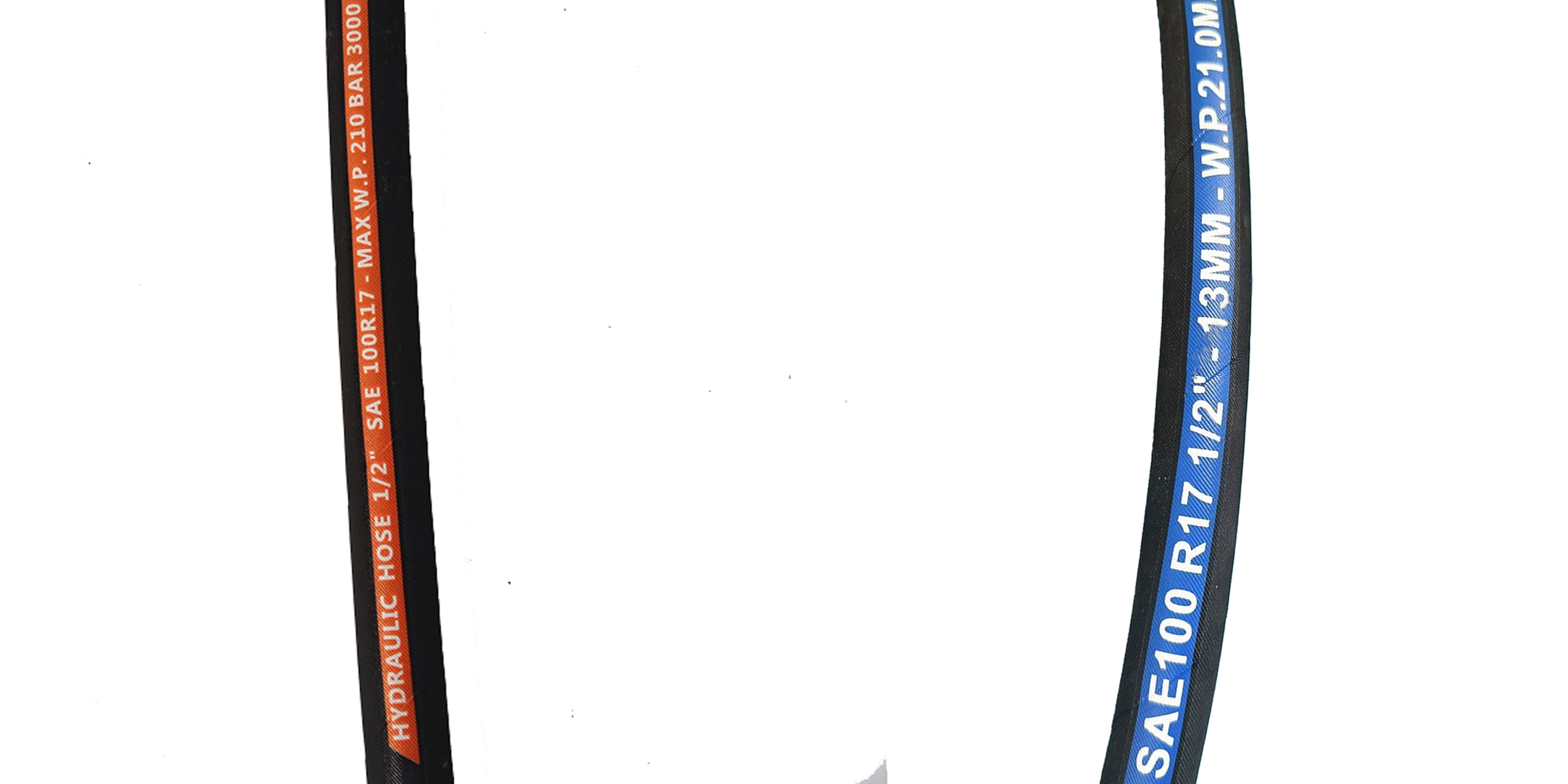
Red hydraulic hose is a critical component in fluid power systems, facilitating the transmission of hydraulic fluid to operate machinery across diverse industrial applications. Primarily utilized in construction, agriculture, manufacturing, and automotive sectors, these hoses are engineered to withstand high pressures and maintain fluid integrity. Unlike standard rubber hoses, hydraulic hoses are specifically reinforced to prevent bursting, kinking, and fluid leakage under demanding operational conditions. The distinctive red color commonly designates hoses designed for specific fluid types – generally petroleum-based hydraulic fluids – though color-coding standards can vary regionally. This guide provides an in-depth examination of red hydraulic hose, encompassing material science, manufacturing processes, performance characteristics, failure modes, maintenance protocols, and relevant industry standards. A central challenge in hydraulic system design is balancing hose flexibility with robust pressure containment, requiring careful selection of materials and construction techniques.
Material Science & Manufacturing
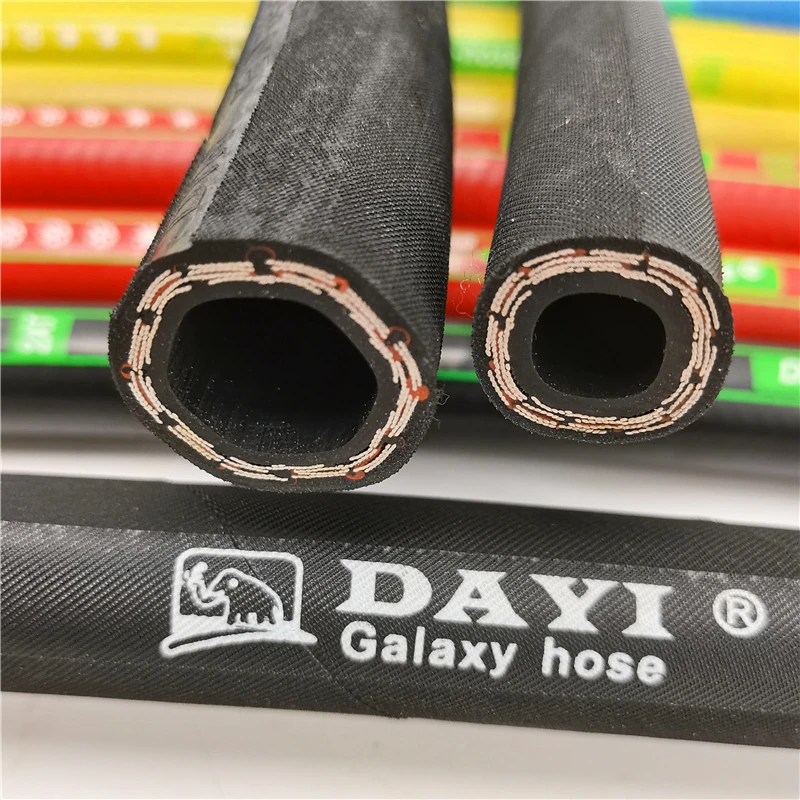
The core construction of a red hydraulic hose typically involves several layers, each serving a distinct function. The innermost layer, the tube, is commonly composed of synthetic rubber compounds such as nitrile (NBR) or ethylene propylene diene monomer (EPDM). NBR provides excellent resistance to petroleum-based fluids, while EPDM exhibits superior resilience against heat, ozone, and weathering. The reinforcement layer is crucial for pressure handling and is typically constructed from multiple braids of high-strength steel wire, or a spiraled steel wire configuration. The number and arrangement of these braids directly correlate with the hose's working pressure capacity. An outer cover, typically a blend of synthetic rubbers like chloroprene (CR) or polyurethane (PU), provides abrasion, ozone, and weather resistance. Manufacturing begins with extrusion of the inner tube, followed by the winding or braiding of the reinforcement layers. Precise tension control during braiding is paramount to ensure uniform pressure distribution and prevent localized stress concentrations. The outer cover is then extruded over the reinforcement, and the hose is cured using vulcanization – a chemical process that crosslinks the rubber molecules, imparting strength, elasticity, and resistance to degradation. Key manufacturing parameters include temperature, pressure, and curing time, all of which must be carefully monitored and controlled to meet specified performance criteria. Post-production, hoses undergo rigorous pressure testing to verify their burst strength and leak resistance, often exceeding the rated working pressure by a significant safety factor.
Performance & Engineering
The performance of a red hydraulic hose is defined by several key engineering parameters. Working pressure, expressed in PSI (pounds per square inch) or bar, represents the maximum continuous pressure the hose can safely withstand during operation. Burst pressure is typically four times the working pressure and indicates the point at which the hose will fail catastrophically. Temperature range is another critical factor; extreme temperatures can compromise the rubber compounds, leading to reduced flexibility and increased susceptibility to failure. Hose flexibility, or bend radius, is essential to prevent kinking and stress on fittings. Excessive bending can cause internal damage and premature failure. Impact resistance assesses the hose's ability to withstand external forces without damage. Hydraulic hose assemblies aren't simply lengths of hose; they incorporate fittings at both ends, typically crimped onto the hose. The integrity of this crimp is crucial, as a loose or damaged crimp is a common point of failure. Force analysis during hose routing is vital; avoiding sharp bends, excessive stretching, and contact with abrasive surfaces extends service life. Compliance with industry standards, such as SAE J517 and EN 853, ensures that hoses meet minimum performance requirements and are suitable for their intended applications. Environmental resistance, especially to chemicals and UV exposure, is also important for applications in harsh environments.
Technical Specifications
| Parameter | Typical Value (1/2" ID Hose) | Units | Test Standard |
|---|---|---|---|
| Working Pressure | 3000 | PSI | SAE J517 |
| Burst Pressure | 12000 | PSI | SAE J517 |
| Temperature Range | -40 to +100 | °C | SAE J517 |
| Minimum Bend Radius | 6 | inches | Manufacturer Spec |
| Reinforcement Type | Two Steel Wire Braid | - | SAE J517 |
| Tube Material | Nitrile Rubber (NBR) | - | ASTM D2000 |
Failure Mode & Maintenance
Red hydraulic hoses are susceptible to several failure modes. Fatigue cracking, caused by repeated flexing and pressure cycles, is a common issue. This often initiates at the crimp points or areas of high stress concentration. Abrasion, resulting from contact with abrasive surfaces, can wear through the outer cover, exposing the reinforcement layers to corrosion. Oil leakage, due to pinholes or cracks in the tube, leads to pressure loss and potential system malfunction. Kinking, caused by excessive bending, restricts fluid flow and can permanently damage the hose’s internal structure. Internal corrosion can occur if the hose is exposed to incompatible fluids or moisture. Oxidation of the rubber compounds, accelerated by heat and UV exposure, causes hardening and cracking. Maintenance is crucial to prolong hose life. Regular visual inspections should be conducted to identify signs of wear, damage, or leaks. Hose assemblies should be replaced if any signs of deterioration are observed. Proper hose routing is essential to avoid sharp bends, abrasion, and contact with hot surfaces. Fluid cleanliness is critical; contaminants can accelerate wear and damage internal components. Crimped fittings should be inspected for tightness and integrity. Periodic pressure testing can help identify potential leaks before they become critical. Following manufacturer's recommendations for hose storage and handling is also important.
Industry FAQ
Q: What is the difference between a braided and spiral hydraulic hose, and which is more suitable for high-pressure applications?
A: Braided hoses utilize multiple layers of interwoven steel wire, providing excellent flexibility and resistance to kinking. Spiral hoses, however, employ a single continuous wire wound around the tube. Spiral hoses generally offer higher pressure ratings and are more resistant to fatigue failure in demanding applications where pulsation or vibration is present. For extremely high-pressure scenarios – above 6000 PSI – spiral hoses are typically preferred. However, spiral hoses have a larger bend radius.
Q: How does temperature affect the performance and lifespan of a red hydraulic hose?
A: Elevated temperatures accelerate the degradation of rubber compounds, leading to hardening, cracking, and reduced flexibility. Exceeding the hose’s maximum temperature rating can significantly shorten its lifespan and increase the risk of failure. Conversely, low temperatures can reduce the hose’s flexibility and make it more susceptible to cracking. Maintaining fluid temperatures within the specified range is crucial for optimal performance.
Q: What is the proper procedure for terminating a hydraulic hose – crimping versus field attaching?
A: Crimping is the most reliable method for attaching fittings to a hydraulic hose, involving the use of a specialized crimping machine to permanently deform the fitting onto the hose. Field attaching, while convenient for repairs, generally provides lower reliability and is more prone to leaks. If field attaching is necessary, it's imperative to use approved fittings and tools and follow the manufacturer’s instructions precisely.
Q: What role does fluid compatibility play in selecting a hydraulic hose?
A: Fluid compatibility is paramount. Using a hose with a tube material incompatible with the hydraulic fluid can cause swelling, softening, or chemical degradation of the rubber, leading to leaks and failure. Nitrile rubber (NBR) is generally suitable for petroleum-based fluids, while EPDM is preferred for phosphate ester fluids. Always consult a fluid compatibility chart to ensure proper selection.
Q: How often should hydraulic hose assemblies be inspected and replaced as part of a preventative maintenance program?
A: The frequency of inspection depends on the severity of the application and operating conditions. A general guideline is to inspect hoses monthly for visual signs of damage, leaks, or wear. Hoses operating in harsh environments or subjected to high pressures should be inspected more frequently – potentially weekly. Hoses should be replaced proactively every 5-7 years, even if no visible damage is apparent, or immediately if any damage is detected.
Conclusion
Red hydraulic hose represents a sophisticated engineering component vital to the efficient and safe operation of hydraulic systems. Its performance is dictated by a complex interplay of material properties, manufacturing precision, and adherence to industry standards. Understanding the nuances of hose construction, failure modes, and proper maintenance practices is paramount for ensuring reliable operation and minimizing downtime. Selecting the appropriate hose for a specific application – considering pressure requirements, temperature range, fluid compatibility, and environmental factors – is crucial for longevity and safety.
Future advancements in hydraulic hose technology are focused on developing lighter-weight materials, improving abrasion resistance, and enhancing chemical compatibility. Smart hoses, incorporating sensors to monitor pressure, temperature, and leakage, are also emerging, offering predictive maintenance capabilities. Continued research into advanced rubber compounds and reinforcement materials will further enhance the performance and reliability of red hydraulic hoses, addressing the evolving demands of modern industrial applications. Prioritizing proactive maintenance and diligent inspection protocols remains the most effective strategy for maximizing the service life and ensuring the safe operation of these critical components.