
Apr . 01, 2024 17:55 Back to list
red high pressure hydraulic hose Performance Analysis
Introduction
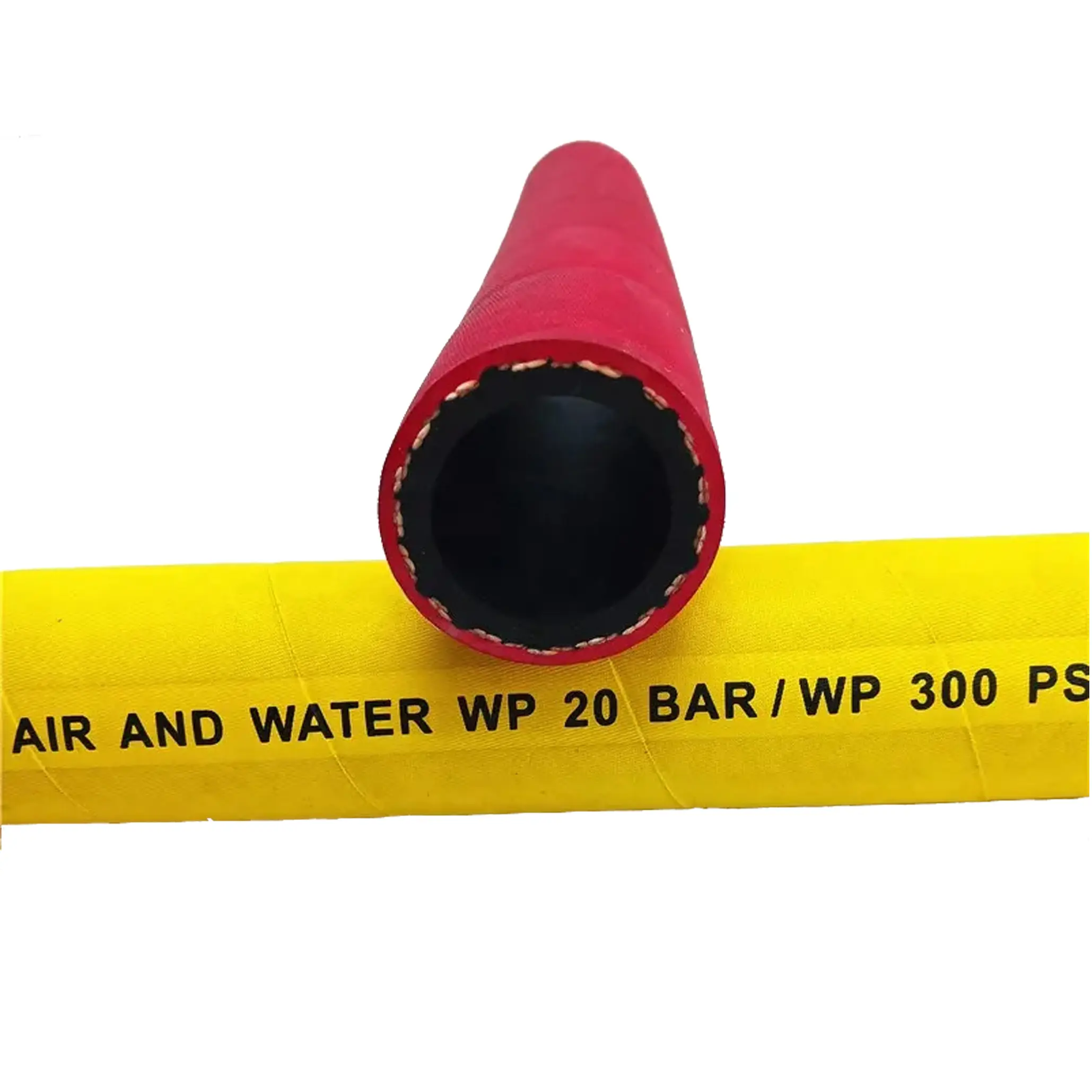
Red high pressure hydraulic hose is a reinforced flexible conduit designed to transmit hydraulic fluid under high pressure to power hydraulic machinery. Positioned within the fluid power industry supply chain, it connects fluid reservoirs, pumps, valves, and actuators. Unlike general-purpose rubber hoses, these hoses utilize multiple layers of reinforcement – typically high-tensile steel wire – embedded within a synthetic rubber matrix. Core performance characteristics include burst pressure, working pressure, temperature range, and fluid compatibility. A key industry pain point is balancing cost with required safety factors, particularly given the potential for catastrophic failure resulting in injury or equipment damage. Selection is critical, dictated by fluid type, operating pressure, temperature, and environmental conditions, demanding rigorous adherence to industry standards.
Material Science & Manufacturing
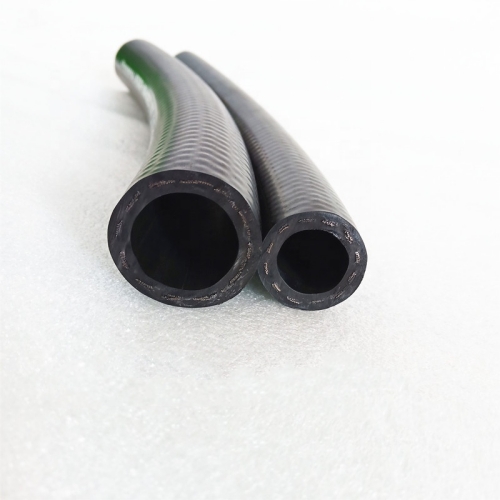
The construction of red high pressure hydraulic hose begins with the inner tube, commonly composed of nitrile rubber (NBR) for oil-based hydraulic fluids, or ethylene propylene diene monomer (EPDM) for phosphate ester fluids. NBR offers excellent resistance to petroleum-based products, abrasion, and heat, but suffers from poorer ozone and weather resistance. EPDM provides superior ozone, weather, and heat resistance, but has limited compatibility with petroleum oils. The reinforcement layer typically consists of multiple braids or spirals of high-tensile steel wire. The number of layers directly correlates to the hose's working and burst pressure capabilities. Spiral reinforcement offers higher pressure ratings but less flexibility than braided reinforcement. An outer cover, usually a synthetic rubber like chloroprene (CR) or polyurethane (PU), provides abrasion, ozone, and weather protection.
Manufacturing involves several key processes. Inner tube extrusion forms the base layer. Reinforcement layers are then applied through a winding or braiding process, with precise tension control being critical to maintain structural integrity. Rubber compound mixing and curing are pivotal; the correct ratio of polymers, plasticizers, fillers, and curing agents dictates the final material properties. Curing, typically using heat and pressure, crosslinks the polymer chains, enhancing strength and elasticity. Quality control includes hydrostatic testing (burst pressure verification), impulse testing (cyclic pressure resistance), and dimensional inspections. Key parameters monitored during manufacturing include rubber durometer (hardness), tensile strength of the reinforcement wire, and adhesion between layers. Failure to control these parameters can lead to premature failure in service.
Performance & Engineering
Hydraulic hose performance is dictated by several engineering considerations. Burst pressure, expressed in psi or bar, is the maximum pressure the hose can withstand before rupture. Working pressure is a fraction (typically 1/4) of the burst pressure, providing a safety factor. Temperature range is crucial, as both high and low temperatures can degrade the rubber compounds and reduce the hose’s flexibility and pressure capacity. Fluid compatibility is paramount; using an incompatible fluid can cause swelling, softening, or cracking of the inner tube.
Force analysis involves calculating stresses within the hose layers under pressure. Hoop stress, acting circumferentially, is the primary stress component, and is directly proportional to the pressure and radius of the hose. Longitudinal stress, acting along the hose length, is influenced by the reinforcement layer. Environmental resistance requires considering UV exposure, ozone degradation, and chemical attack. Compliance requirements vary by region and industry. For example, the automotive industry demands adherence to SAE J517 standards, while the oil and gas industry requires compliance with API Q1 standards. Proper hose routing and support are also crucial to prevent bending, kinking, and abrasion, which can significantly reduce hose life. Incorrect fittings can cause leakage and failure, necessitating the use of correctly sized and rated fittings.
Technical Specifications
| Parameter | Unit | SAE 100R2AT | SAE 100R6A |
|---|---|---|---|
| Working Pressure | psi | 2220 | 2000 |
| Burst Pressure | psi | 6660 | 6000 |
| Temperature Range | °F | -40 to 212 | -40 to 175 |
| Inner Tube | Material | Nitrile Rubber | Nitrile Rubber |
| Reinforcement | Layers | Two Steel Wire Braid | Four Steel Wire Spiral |
| Cover | Material | Synthetic Rubber | Synthetic Rubber |
Failure Mode & Maintenance
Common failure modes in red high pressure hydraulic hose include burst failure due to exceeding pressure limits, hose kinking leading to internal damage, abrasion of the outer cover exposing reinforcement layers, and degradation of the rubber compounds from exposure to heat, chemicals, or ozone. Fatigue cracking can occur due to repeated flexing and pressure cycling. Internal corrosion from water ingress can also weaken the hose. Delamination, the separation of layers, is often caused by poor adhesion during manufacturing or exposure to incompatible fluids.
Preventive maintenance is critical. Regular visual inspections should identify abrasion, cuts, bulges, or leaks. Hose routing should minimize bending and abrasion. Fluid contamination should be controlled through filtration. Hose assemblies should be replaced at recommended intervals, based on operating conditions and fluid type. When replacing hoses, it’s crucial to use correctly rated fittings and ensure proper crimping. Following a strict hose management program, including documentation of hose history and regular inspections, can significantly reduce the risk of catastrophic failure and improve equipment uptime. Proper storage is also important: hoses should be stored in a cool, dry place away from direct sunlight and ozone sources.
Industry FAQ
Q: What is the difference between braided and spiral reinforced hydraulic hose?
A: Braided hoses use multiple layers of woven steel wire, offering greater flexibility but lower pressure ratings. Spiral hoses utilize a single continuous wire wound in a spiral, providing higher pressure capacity but reduced flexibility. The choice depends on the application’s pressure and bending requirements.
Q: How does temperature affect hydraulic hose performance?
A: High temperatures can soften rubber compounds, reducing pressure capacity and increasing the risk of leaks. Low temperatures can decrease flexibility and increase the risk of cracking. Always operate hoses within their specified temperature range.
Q: What fluid compatibility considerations are important?
A: Using an incompatible fluid can cause the inner tube to swell, soften, or crack, leading to failure. Refer to the hose manufacturer’s fluid compatibility chart to ensure compatibility with the hydraulic fluid being used.
Q: What are the common causes of hydraulic hose leaks?
A: Common causes include worn or damaged fittings, cracks in the hose cover, pinholes in the inner tube, and improper crimping of fittings. Regular inspections can help identify and address these issues.
Q: How often should hydraulic hoses be replaced?
A: Replacement frequency depends on operating conditions, fluid type, and hose usage. A general guideline is to replace hoses every 3-5 years, or sooner if signs of damage or wear are observed. Implement a hose management program for accurate tracking and proactive replacement.
Conclusion
Red high pressure hydraulic hose is a critical component in numerous industrial applications, demanding careful material selection, precise manufacturing, and diligent maintenance. Understanding the interplay between material science, engineering principles, and industry standards is crucial for ensuring reliable and safe operation. Proper hose selection, installation, and inspection are paramount to preventing costly downtime and potential safety hazards.
Future advancements in hydraulic hose technology are likely to focus on developing more durable and chemically resistant materials, as well as incorporating smart sensor technologies for real-time monitoring of hose condition. Adopting predictive maintenance strategies, based on sensor data and analysis, will further optimize hose life and reduce the risk of unexpected failures. Continuing adherence to evolving industry standards and best practices will be essential for maintaining the integrity of hydraulic systems.