
Apr . 01, 2024 17:55 Back to list
r5 hydraulic hose Performance Analysis
Introduction
R5 hydraulic hose, conforming to SAE 100R5 standards, represents a crucial component in fluid power systems across diverse industrial applications. Positioned within the hydraulic system as the conduit for transmitting pressurized hydraulic fluid, its performance dictates system efficiency, reliability, and safety. This guide delivers an in-depth technical analysis of R5 hose, encompassing material science, manufacturing processes, performance characteristics, failure modes, and maintenance protocols. Core performance attributes include pressure rating (typically up to 3000 psi), temperature range (-40°C to +100°C), and compatibility with hydraulic fluids. A key industry pain point lies in premature hose failure due to incorrect fluid selection, exceeding pressure limits, or improper installation, leading to costly downtime and potential safety hazards. Understanding the intricacies of R5 hose construction and operational parameters is vital for mitigating these risks.
Material Science & Manufacturing
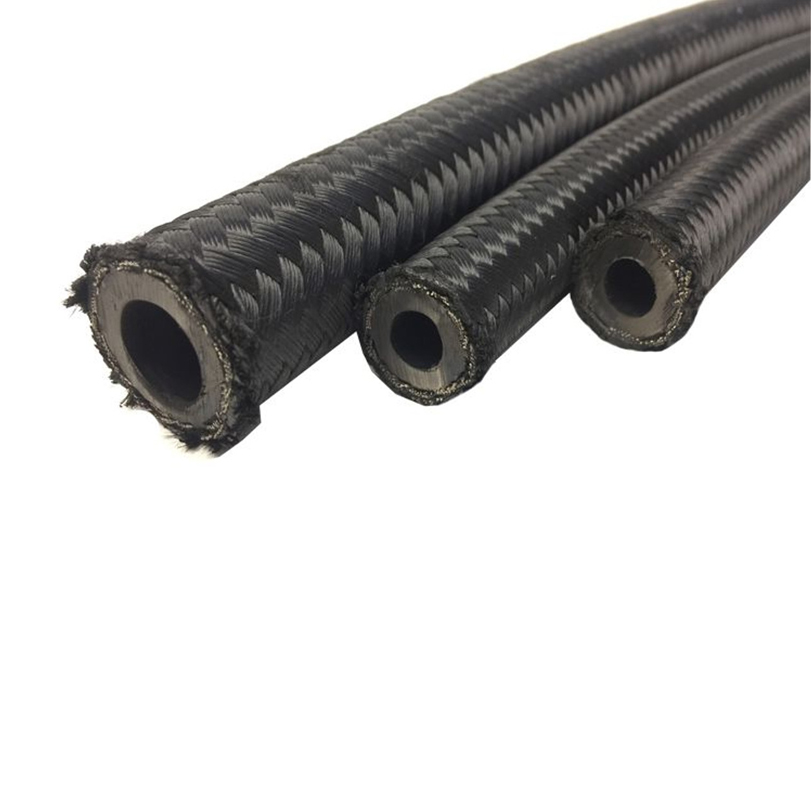
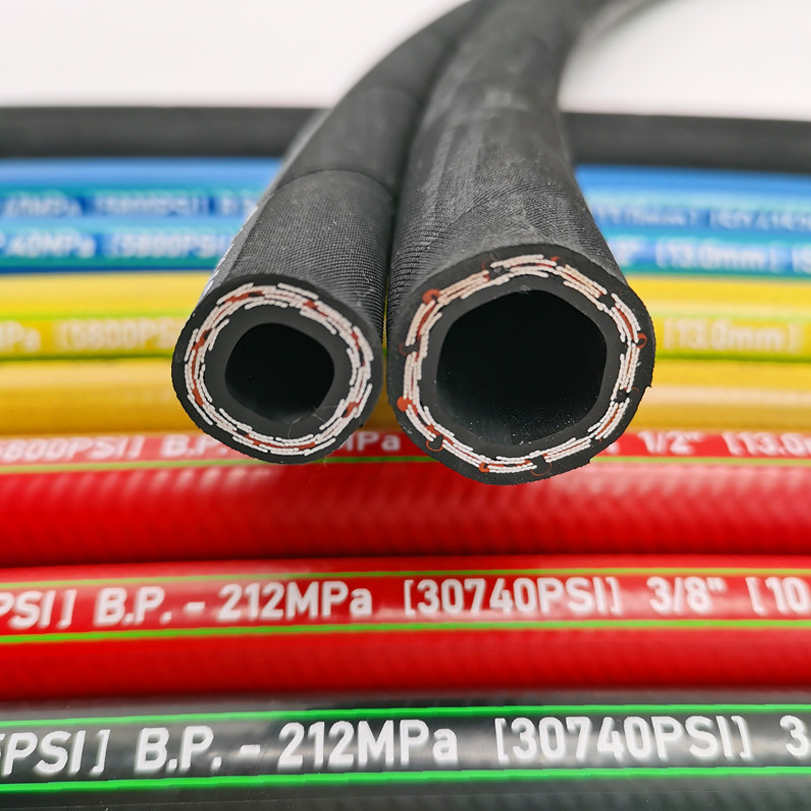
R5 hydraulic hose construction typically involves four primary layers. The innermost layer, the tube, is commonly composed of nitrile rubber (NBR), known for its excellent resistance to petroleum-based hydraulic fluids. NBR possesses a Shore A hardness ranging from 60 to 90, depending on the specific fluid compatibility requirements. The reinforcement layer is crucial for withstanding internal pressure; it is traditionally a single high-tensile strength braided layer of steel wire. Wire diameter and braid angle are critical parameters influencing burst pressure and flexibility. Steel wire typically conforms to ASTM A228 specifications. The next layer is a rubber cover, usually a blend of synthetic rubbers like SBR (styrene-butadiene rubber) offering abrasion and weather resistance. Finally, an outer fabric braid (often nylon) provides additional protection and improves flexibility. Manufacturing processes begin with tube extrusion, followed by steel wire braiding using automated machinery to ensure consistent braid coverage. The cover is then applied through extrusion, followed by vulcanization – a crucial heat-curing process that chemically cross-links the rubber compounds, enhancing their elasticity, strength, and resistance to degradation. Precise temperature and time control during vulcanization are vital to achieve optimal material properties. Chemical compatibility testing (ASTM D792) is routinely performed to verify the tube material’s resistance to various hydraulic fluids.
Performance & Engineering
The performance of R5 hose is primarily dictated by its ability to withstand internal pressure and external stresses without failure. Force analysis reveals that hoop stress within the tube is directly proportional to pressure and radius, requiring robust tube material and reinforcement. Fatigue life is a critical parameter, particularly in applications involving cyclical pressure. R5 hoses are subjected to pulse testing (SAE J189) to determine their resistance to repeated pressure cycles. Environmental resistance is also paramount. Exposure to extreme temperatures, UV radiation, and ozone can degrade the rubber components, reducing their elasticity and strength. Abrasion resistance is assessed using abrasion testing methods (ASTM D5963). Furthermore, R5 hose must meet specific compliance requirements. SAE J518 dictates the performance standards for hydraulic hose, including pressure ratings, temperature ranges, and fluid compatibility. Proper hose assembly, including the selection of appropriate fittings (SAE J514) and crimping procedures, is crucial for ensuring leak-free operation and preventing premature failure. Improper crimping can lead to fitting slippage or hose distortion, compromising the hose’s integrity.
Technical Specifications
| Parameter | Unit | Typical Value (R5 Hose) | Test Standard |
|---|---|---|---|
| Working Pressure | psi | 2250 | SAE J518 |
| Burst Pressure | psi | 6750 | SAE J518 |
| Temperature Range | °C | -40 to +100 | SAE J518 |
| Tube Material | - | Nitrile Rubber (NBR) | ASTM D2000 |
| Reinforcement | - | Single Steel Wire Braid | ASTM A228 |
| Cover Material | - | Synthetic Rubber (SBR) | ASTM D2000 |
Failure Mode & Maintenance
R5 hydraulic hose is susceptible to several failure modes. Fatigue cracking, caused by repeated pressure cycles, often initiates at the inner tube surface and propagates through the reinforcement. Delamination, the separation of layers, can occur due to improper bonding during vulcanization or exposure to incompatible fluids. Hose distortion and kinking can result from excessive bending or improper routing, leading to localized stress concentrations. Oxidation and weathering degrade the rubber components, reducing their flexibility and strength. External abrasion damages the cover, exposing the reinforcement to corrosion. Internal corrosion can occur if incompatible fluids are used, attacking the tube material. Preventive maintenance is crucial for extending hose life. Regular visual inspections should identify signs of cracking, abrasion, or leaks. Fluid analysis (ISO 4406) helps detect contamination and ensure fluid compatibility. Hose routing should avoid sharp bends and contact with hot surfaces. Proper installation, including the use of correctly sized fittings and crimping tools, is essential. Replacing hoses at recommended intervals, based on operating conditions and fluid type, minimizes the risk of catastrophic failure. Following manufacturer's guidelines for storage and handling also contributes to longevity.
Industry FAQ
Q: What is the impact of exceeding the maximum working pressure on R5 hose?
A: Exceeding the maximum working pressure significantly reduces the hose’s fatigue life and dramatically increases the risk of burst failure. Even short-term overpressure events can cause micro-cracking in the tube and reinforcement, which propagate over time, leading to eventual failure. Operating above the rated pressure voids any warranty and poses a serious safety hazard.
Q: How does temperature affect the performance of R5 hose?
A: Temperatures outside the specified range (-40°C to +100°C) degrade the rubber components. High temperatures accelerate oxidation and reduce elasticity, while low temperatures can cause brittleness and cracking. Extreme temperature fluctuations also contribute to fatigue.
Q: What hydraulic fluids are compatible with R5 hose?
A: R5 hose with an NBR tube is generally compatible with petroleum-based hydraulic fluids. However, compatibility with phosphate ester fluids, water glycol fluids, and other specialized fluids should be verified with the manufacturer. Using incompatible fluids can cause swelling, degradation, and premature failure.
Q: What are the best practices for storing R5 hose?
A: R5 hose should be stored in a cool, dry, and dark environment, away from direct sunlight, ozone sources, and extreme temperatures. Hoses should be coiled loosely and protected from physical damage. Avoid storing hoses near chemicals or solvents that could cause degradation.
Q: What are the consequences of improper hose crimping?
A: Improper crimping can lead to fitting slippage, hose distortion, and reduced burst pressure. Under-crimping results in a loose connection, while over-crimping can damage the hose reinforcement. Using calibrated crimping tools and following the fitting manufacturer’s instructions is crucial for ensuring a secure and reliable connection.
Conclusion
The R5 hydraulic hose is a critical component in many hydraulic systems, demanding careful selection, installation, and maintenance. Its performance relies heavily on the interplay of material properties, manufacturing precision, and adherence to industry standards. Understanding the nuances of its construction – from the NBR tube to the steel wire reinforcement and synthetic rubber cover – is fundamental to predicting its behavior and preventing premature failure.
Effective implementation of preventive maintenance programs, including regular inspections, fluid analysis, and adherence to recommended replacement intervals, is paramount. By recognizing the potential failure modes – fatigue cracking, delamination, and external abrasion – and mitigating their causes, operators can significantly extend hose life, reduce downtime, and enhance system safety. Continued advancements in materials science and manufacturing techniques will further improve the performance and reliability of R5 hydraulic hoses in the future.