
Apr . 01, 2024 17:55 Back to list
ptfe hose manufacturers Performance Analysis
Introduction
Polytetrafluoroethylene (PTFE) hose, commonly referred to as Teflon hose, represents a critical component in numerous industrial fluid transfer applications. Its technical positioning lies within the broader realm of flexible hose technology, specifically designed for handling corrosive chemicals, high-temperature fluids, and critical processes where purity is paramount. Unlike rubber or metallic hoses, PTFE exhibits exceptional chemical inertness, a wide temperature range (-200°C to +260°C), and low coefficient of friction. Core performance characteristics include fluid compatibility, pressure resistance (dependent on construction – braided or convoluted), and dimensional stability. A key pain point within the industry centers on maintaining consistent PTFE resin quality, ensuring proper extrusion and sintering processes to prevent porosity and subsequent permeation, particularly within pharmaceutical and semiconductor manufacturing. Another critical issue is selecting the correct hose construction (braided vs. smooth bore) and material grade to adequately address the specific chemical and pressure demands of the application. Furthermore, ensuring compliance with stringent industry regulations regarding material traceability and extractables is a constant challenge for manufacturers and end-users alike.
Material Science & Manufacturing
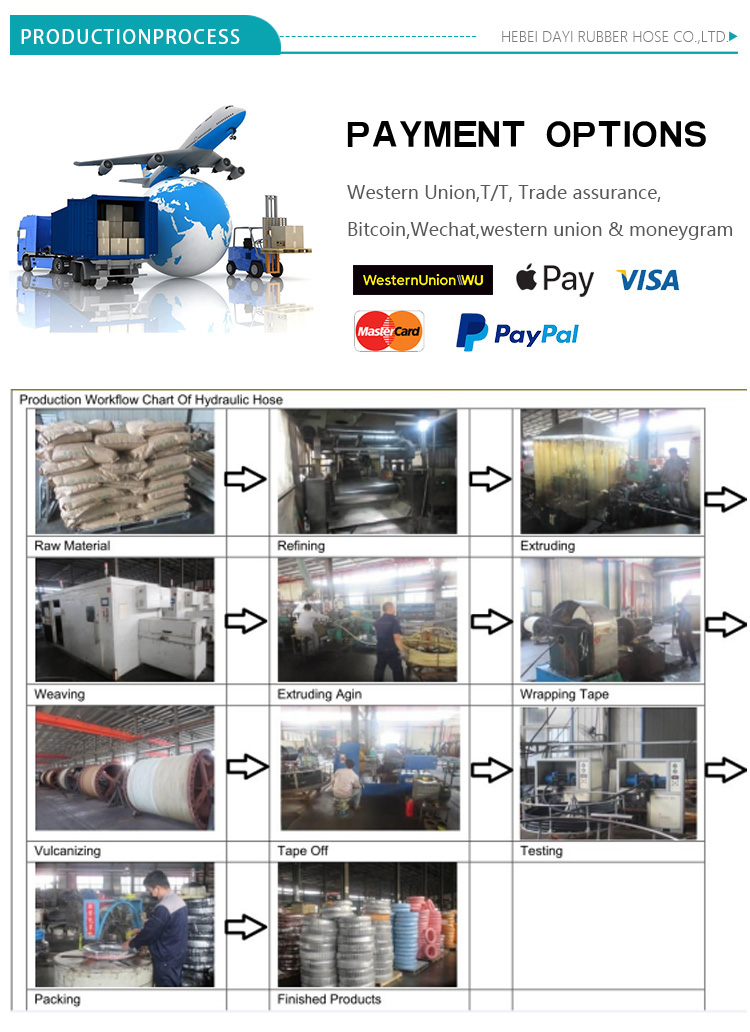
PTFE, (C2F4)n, is a synthetic fluoropolymer of tetrafluoroethylene. Its raw material is tetrafluoroethylene monomer, produced primarily through the pyrolysis of chlorodifluoromethane. Key physical properties include a melting point of 327°C, a density of 2.2 g/cm3, and a dielectric strength of 1015 ohm-cm. Chemically, PTFE is almost entirely inert due to the strong carbon-fluorine bonds, resisting attack from virtually all chemicals, including strong acids, bases, and solvents. Manufacturing PTFE hose begins with the selection of virgin PTFE resin, often modified with fillers like glass fiber or carbon black to enhance mechanical properties. The primary manufacturing process is extrusion. PTFE resin is fed into an extruder where it is compressed and forced through a die to form the hose shape. Crucially, PTFE cannot be melt-processed like many other polymers; instead, a ram extrusion process is used, relying on the resin's inherent slipperiness. Following extrusion, the hose undergoes sintering – a heat treatment process that fuses the PTFE particles together, achieving the desired density and strength. Parameter control during sintering is paramount. Temperature uniformity and duration directly impact the porosity and mechanical properties. Braided reinforcement, typically stainless steel or other corrosion-resistant alloys, is often applied over the sintered PTFE to enhance pressure resistance. The braiding process itself requires precise tension control to prevent distortion of the PTFE bore. Post-braiding operations include dimensional inspection, leak testing, and surface finishing.

Performance & Engineering
The performance of PTFE hose is fundamentally dictated by its resistance to chemical attack, its ability to withstand pressure, and its temperature operating range. Force analysis during operation must account for both internal fluid pressure and external stresses (bending, kinking, abrasion). Braided reinforcement significantly increases burst pressure capability; however, the braid material’s corrosion resistance must be compatible with the conveyed fluid. Environmental resistance is exceptional – PTFE is unaffected by UV radiation, ozone, and weathering. However, prolonged exposure to high temperatures in the presence of oxygen can lead to thermal degradation. Compliance requirements are diverse, varying by application. For food and beverage applications, compliance with FDA 21 CFR 177.1550 is critical, ensuring the PTFE material is food-grade and does not leach harmful substances. For pharmaceutical applications, USP Class VI testing is often required to demonstrate biocompatibility. In the semiconductor industry, extremely low levels of extractables are essential, mandating stringent quality control and material certification. Functional implementation considerations include hose end fitting compatibility (threaded, flanged, quick-disconnect) and the need for static dissipation to prevent charge buildup when conveying flammable fluids. Fatigue life under cyclic pressure is a significant concern; manufacturers utilize finite element analysis (FEA) to optimize hose designs and predict service life.
Technical Specifications
| Parameter | Unit | Typical Value (Smooth Bore) | Typical Value (Braided) |
|---|---|---|---|
| Working Pressure | PSI | 150 | 450 |
| Burst Pressure | PSI | 600 | 1800 |
| Temperature Range | °C | -200 to +260 | -200 to +260 |
| Tensile Strength | MPa | 20 | 60 (with SS braid) |
| Elongation at Break | % | 300 | 150 (with SS braid) |
| Fluid Compatibility | - | Excellent with most chemicals | Excellent with most chemicals |
Failure Mode & Maintenance
PTFE hose failures commonly stem from several mechanisms. Fatigue cracking, particularly in braided hoses subjected to repeated pressure cycling, is a prevalent issue. This typically initiates at the braid-PTFE interface due to stress concentration. Permeation, especially in smooth bore hoses, can occur if the PTFE material has microscopic porosity resulting from inadequate sintering. This allows fluids to diffuse through the hose wall. Abrasion can damage the PTFE bore, especially when conveying abrasive slurries or particles. Chemical attack, while rare due to PTFE’s inertness, can occur with certain molten alkali metals. Thermal degradation, at prolonged high temperatures (above 260°C) in oxidizing environments, leads to chain scission and embrittlement. Maintenance primarily involves visual inspection for cracks, kinks, or abrasion. Regular pressure testing is recommended for critical applications. Cleaning should be performed with mild detergents and water; harsh solvents are generally unnecessary and could potentially damage fittings. Avoid sharp bending radii, as this can induce stress cracking. Braided hoses require periodic inspection of the braid for corrosion or fraying. If any signs of damage are detected, the hose should be replaced immediately. Preventative maintenance should also include proper storage of the hose, away from direct sunlight and extreme temperatures.
Industry FAQ
Q: What are the key differences between convoluted and smooth bore PTFE hose, and which is best suited for high-pressure applications?
A: Convoluted PTFE hose possesses a ridged inner bore, providing flexibility and bend radius. Smooth bore offers a consistent internal diameter, reducing flow restriction and improving cleanability. For high-pressure applications, smooth bore hose with braided reinforcement is generally superior. The braid provides the pressure resistance, while the smooth bore minimizes turbulence and pressure drop. Convoluted hose, even with reinforcement, typically has a lower burst pressure due to stress concentration at the convolutions.
Q: How does the type of braid material (stainless steel, Hastelloy, etc.) affect the overall performance of a PTFE hose?
A: The braid material dictates the hose’s compatibility with the conveyed fluid and its resistance to corrosion. Stainless steel (304, 316) is common for general chemical resistance. Hastelloy, a nickel-based alloy, provides superior resistance to highly corrosive environments, like strong acids or chlorides. Silver-plated stainless steel can be used to reduce friction and prevent galling in certain applications. The braid’s construction (number of strands, weave pattern) also influences flexibility and pressure resistance.
Q: What are the implications of PTFE hose porosity and how is it measured?
A: Porosity in PTFE hose allows for fluid permeation, which is unacceptable in many applications, particularly those involving hazardous or high-purity fluids. It arises from incomplete sintering during manufacturing. Porosity is typically measured using helium leak testing. The hose is pressurized with helium, and the rate of helium leakage is quantified. Lower leakage rates indicate lower porosity.
Q: What is the impact of end fitting material and installation on the integrity of a PTFE hose assembly?
A: End fittings are a critical point of failure. They must be chemically compatible with the hose and the conveyed fluid. Improper installation – overtightening, incorrect crimping, or damage to the PTFE bore during fitting attachment – can significantly reduce the hose assembly's pressure rating and lead to leaks. Always use manufacturer-recommended fitting installation procedures.
Q: How does temperature cycling affect the long-term performance and lifespan of a PTFE hose?
A: Repeated temperature cycling induces thermal stress, causing expansion and contraction of the PTFE material and the braid. Over time, this can lead to fatigue cracking, particularly at the braid-PTFE interface. Proper hose routing to minimize bending and vibration, combined with selecting a hose with adequate pressure and temperature ratings, is crucial for maximizing lifespan. Regular inspection for signs of fatigue is also recommended.
Conclusion
PTFE hose remains a vital component across diverse industries demanding chemical resistance, high-temperature performance, and fluid purity. The manufacturing process, centered around extrusion and sintering, requires meticulous control to ensure material integrity and prevent porosity. Proper material selection – considering both PTFE resin grade and braid material – is paramount to address the specific application requirements. Understanding the potential failure modes, such as fatigue cracking and permeation, and implementing preventative maintenance practices are crucial for maximizing hose lifespan and ensuring safe operation.
Future advancements in PTFE hose technology will likely focus on enhancing permeation resistance through improved sintering techniques, developing new PTFE formulations with increased mechanical strength, and incorporating smart sensors for real-time monitoring of hose condition. Continued adherence to stringent industry standards and a focus on material traceability will remain essential for maintaining quality and reliability in this critical fluid transfer component.