
Apr . 01, 2024 17:55 Back to list
profession manufacturer hydraulic hose suppliers Performance Analysis
Introduction
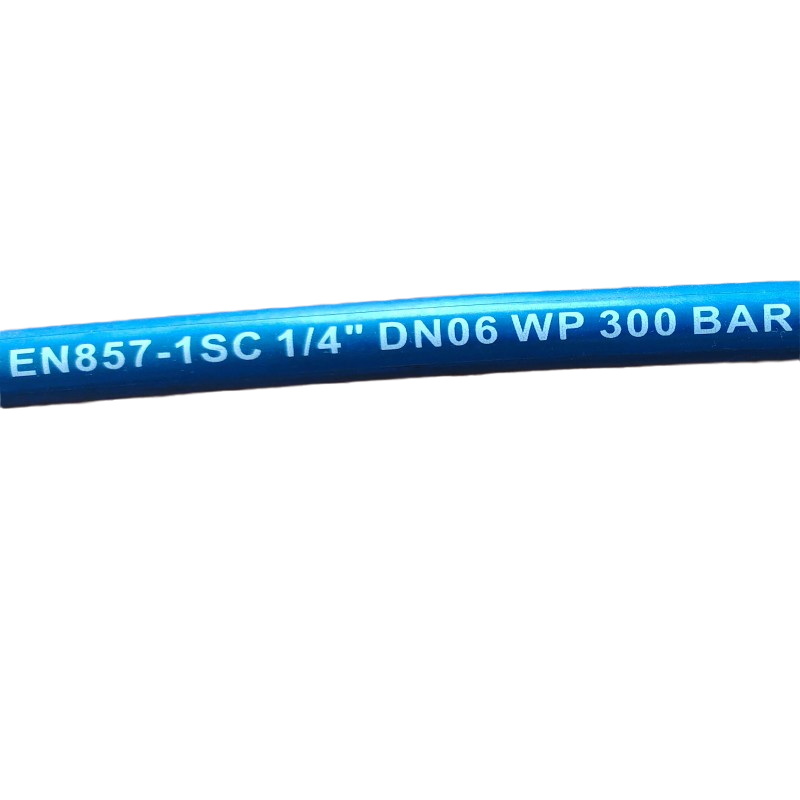
Hydraulic hoses are critical components in fluid power systems, responsible for transmitting pressurized fluid to actuate machinery across diverse industries, including construction, agriculture, manufacturing, and aerospace. Profession manufacturer hydraulic hose suppliers provide hoses designed to withstand extreme pressures, temperatures, and environmental conditions while maintaining reliability and safety. This guide will detail the material science, manufacturing processes, performance characteristics, failure modes, and maintenance protocols associated with high-performance hydraulic hoses. The selection of the appropriate hose, fittings, and assembly method is paramount to system longevity and operational efficiency. The core performance metric centers around burst pressure, working pressure, and resistance to fluid compatibility, alongside considerations of hose flexibility and abrasion resistance. Improper hose selection or maintenance is a primary cause of hydraulic system failures and poses significant safety risks.
Material Science & Manufacturing
Hydraulic hoses are constructed from multiple layers, each contributing to specific performance characteristics. The inner tube, typically made of synthetic rubber compounds like nitrile (NBR), ethylene propylene diene monomer (EPDM), or polytetrafluoroethylene (PTFE), provides fluid compatibility. NBR is suitable for petroleum-based fluids, EPDM for phosphate ester fluids, and PTFE for aggressive chemicals. The reinforcement layer, crucial for pressure resistance, commonly employs high-tensile steel wire (single or multiple braids), aramid fiber (Kevlar), or synthetic fiber. The outer cover, typically a synthetic rubber like chloroprene (Neoprene) or polyurethane, provides abrasion, ozone, and weather resistance. Manufacturing processes vary depending on hose construction. Braided hoses involve helically winding steel wire around a mandrel, followed by vulcanization with the inner tube and outer cover. Spiral hoses utilize a single continuous wire wound at a shallow angle to achieve higher pressure ratings. Thermoforming is used for shaping the outer cover, and extrusion techniques are fundamental to forming the inner tube. Key parameter control involves precise temperature and pressure regulation during vulcanization to ensure adequate bonding between layers. Wire tension and winding pitch are critical for reinforcement layer integrity. The consistency of rubber compound mixing and extrusion directly impacts the hose's overall performance.
Performance & Engineering
Hydraulic hose performance is dictated by several engineering principles. Burst pressure, defined as the pressure at which the hose fails, is typically four times the working pressure. Working pressure is the maximum continuous operating pressure specified by the manufacturer. Hose flexibility, governed by the reinforcement layer’s construction, influences bend radius and ease of installation. Excessive bending or kinking can damage the reinforcement and reduce hose life. Environmental resistance—specifically, resistance to ozone, UV radiation, and temperature extremes—is crucial for outdoor applications. Fluid compatibility ensures the hose material does not degrade or swell when exposed to the hydraulic fluid. Finite element analysis (FEA) is employed during the design phase to optimize hose geometry and reinforcement configurations for specific pressure and temperature requirements. Compliance requirements, such as those mandated by SAE International (SAE J517, SAE J518), dictate minimum performance standards for hydraulic hoses. Force analysis considers the tensile strength of the reinforcement layer and the hoop stress on the inner tube under pressure. Fitting selection is critical; mismatched fittings can lead to leakage or premature failure. Static and dynamic sealing performance must be verified to prevent fluid loss and maintain system efficiency.
Technical Specifications
| Parameter | Unit | Typical Value (NBR/Steel Wire Braid) | Typical Value (PTFE/Aramid Fiber) |
|---|---|---|---|
| Working Pressure | MPa | 20 | 35 |
| Burst Pressure | MPa | 80 | 140 |
| Temperature Range | °C | -40 to +100 | -60 to +260 |
| Inner Tube Material | - | Nitrile Rubber (NBR) | Polytetrafluoroethylene (PTFE) |
| Reinforcement Material | - | Steel Wire Braid | Aramid Fiber |
| Outer Cover Material | - | Chloroprene Rubber (Neoprene) | Polyurethane |
Failure Mode & Maintenance
Hydraulic hose failures commonly manifest as burst failure, leakage, or reduced performance. Burst failures are typically caused by exceeding the working pressure, fatigue cracking due to repeated pressure cycling, or damage to the reinforcement layer. Leakage can result from fitting failures, pinholes in the inner tube, or cracks in the outer cover. Reduced performance may indicate internal degradation of the hose material or a partial blockage. Common failure modes include: 1) Erosion – abrasion from fluid particles; 2) Chemical attack – degradation of the hose material by incompatible fluids; 3) Fatigue failure – crack initiation and propagation due to cyclic loading; 4) Heat damage – softening or cracking due to excessive temperatures; 5) Mechanical damage – cuts, abrasions, or crushing from external forces. Preventive maintenance is essential. This includes regular visual inspections for signs of damage, pressure testing to verify hose integrity, and proper fluid filtration to minimize contamination. Hoses should be replaced at recommended intervals, even if no visible damage is present. Proper hose routing and support are crucial to prevent kinking and abrasion. When replacing hoses, always use the correct fittings and ensure proper crimping procedures are followed. A rigorous failure analysis, including fractography, can help identify the root cause of failures and prevent recurrence.
Industry FAQ
Q: What is the impact of hose end fitting quality on overall system reliability?
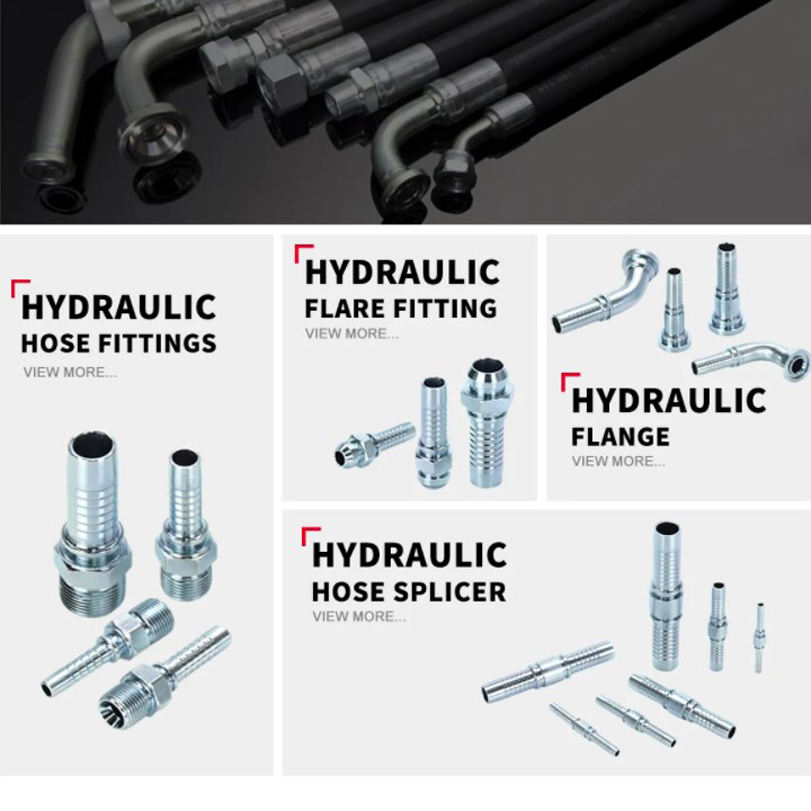
A: Hose end fitting quality is paramount. Substandard fittings can cause leakage, catastrophic failure, and reduced system efficiency. Fittings must be properly crimped to the hose, creating a secure, leak-proof seal. The fitting material must be compatible with both the hose and the hydraulic fluid. Using mismatched fittings or improper crimping techniques can compromise the hose's integrity and significantly shorten its lifespan. Ensure fittings meet relevant industry standards (SAE, DIN).
Q: How does the choice of hydraulic fluid affect hydraulic hose lifespan?
A: Hydraulic fluid compatibility is crucial. Using an incompatible fluid can cause the inner tube to swell, soften, or degrade, leading to premature failure. Petroleum-based fluids generally require NBR inner tubes, while phosphate ester fluids necessitate EPDM. PTFE inner tubes offer broad chemical compatibility. Regularly analyzing the hydraulic fluid for contamination and maintaining proper fluid cleanliness levels also extends hose life.
Q: What are the best practices for storing hydraulic hoses to prevent degradation?
A: Hydraulic hoses should be stored in a cool, dry, and dark environment, away from direct sunlight, ozone sources, and extreme temperatures. Hoses should be coiled loosely and supported to prevent kinking. Avoid storing hoses in contact with oils, solvents, or other chemicals. Proper storage minimizes degradation of the hose material and preserves its flexibility.
Q: What are the key considerations when selecting a hydraulic hose for high-temperature applications?
A: For high-temperature applications, select a hose with an inner tube and outer cover specifically designed to withstand the elevated temperatures. PTFE inner tubes and silicone outer covers offer superior heat resistance. Verify that the hose's temperature range exceeds the maximum operating temperature of the system. Consider using heat shields or insulation to further protect the hose from extreme heat.
Q: How does the reinforcement layer impact a hydraulic hose’s resistance to pulsation?
A: The reinforcement layer plays a vital role in mitigating pulsation. Spiral-wound reinforcement provides greater flexibility and resistance to pulsation compared to braided reinforcement. The number of layers and the wire diameter also influence pulsation resistance. For applications with significant pressure pulsations, consider using hoses specifically designed for pulsation damping or incorporating pulsation dampeners into the system.
Conclusion
The selection, installation, and maintenance of hydraulic hoses require a comprehensive understanding of material science, engineering principles, and industry standards. Profession manufacturer hydraulic hose suppliers offering robust, reliable hoses, coupled with adherence to best practices for system design and maintenance, is crucial for ensuring the long-term performance and safety of hydraulic systems. Ignoring these considerations can lead to costly downtime, equipment damage, and potential safety hazards.
Future advancements in hydraulic hose technology focus on developing lighter-weight, higher-strength materials, improving fluid compatibility, and enhancing resistance to extreme environments. The integration of smart sensors into hydraulic hoses will enable real-time monitoring of pressure, temperature, and hose condition, facilitating predictive maintenance and preventing catastrophic failures. Continued research and development are essential to meet the evolving demands of increasingly complex hydraulic systems.