
Apr . 01, 2024 17:55 Back to list
profession manufacturer hydraulic hose manufacturers Performance Analysis
Introduction
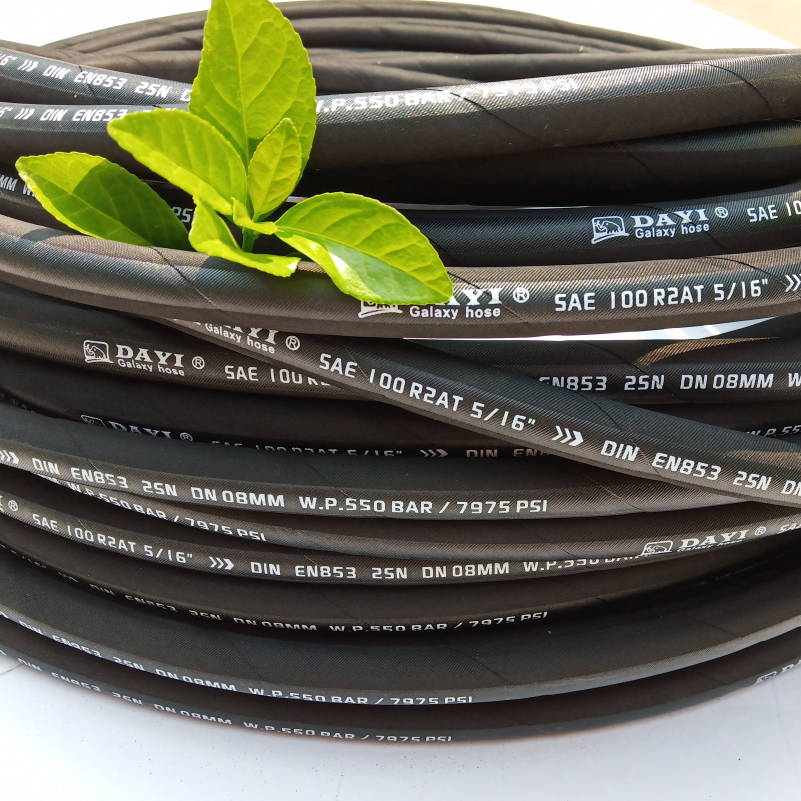
Hydraulic hoses are a critical component in fluid power systems, responsible for the reliable transmission of pressurized hydraulic fluid to actuators and other components. Profession manufacturer hydraulic hose manufacturers address the diverse needs of industries ranging from construction and agriculture to manufacturing and aerospace. These hoses are not merely conduits; they represent engineered solutions demanding precise material selection, robust construction, and adherence to stringent safety standards. The core performance characteristics—pressure rating, temperature resistance, fluid compatibility, and flexibility—directly impact system efficiency, durability, and operator safety. This guide provides an in-depth examination of hydraulic hose technology, covering material science, manufacturing processes, performance analysis, failure modes, and industry best practices for selection and maintenance. A key pain point for procurement managers is ensuring hose compatibility with both the hydraulic fluid and operating environment to avoid premature failure and costly downtime.
Material Science & Manufacturing
Hydraulic hose construction typically involves four key layers: the inner tube, reinforcement, outer cover, and in some cases, a bonding layer. The inner tube, the fluid-carrying component, is commonly constructed from synthetic rubbers such as nitrile (NBR), ethylene propylene diene monomer (EPDM), or fluorocarbon (FKM/Viton). NBR offers excellent resistance to petroleum-based fluids, making it suitable for general-purpose hydraulic applications. EPDM excels in phosphate ester hydraulic fluid resistance and high-temperature applications. FKM provides superior resistance to aggressive fluids, extreme temperatures, and chemical attack, but at a higher cost. Reinforcement layers provide the strength necessary to withstand high pressures. These layers are typically braided or spiraled from high-tensile steel wire, synthetic fibers like aramid (Kevlar), or a combination thereof. Steel wire reinforcement offers the highest pressure ratings, while aramid provides greater flexibility and reduced weight. The outer cover, typically made from synthetic rubbers like polyurethane or neoprene, protects the reinforcement layers from abrasion, weathering, and chemical exposure. Manufacturing processes vary based on hose type. Braided hoses utilize a helical winding of reinforcement wires around a mandrel. Spiral-cut hoses employ a continuous wire wound at an angle to create a more flexible and higher-pressure-rated structure. Critical parameter control during manufacturing includes precise tensioning of reinforcement layers, proper vulcanization of rubber compounds, and rigorous quality control checks for dimensional accuracy and pressure testing. Maintaining consistent batch-to-batch material properties is paramount for reliable performance.

Performance & Engineering
The performance of a hydraulic hose is dictated by its ability to withstand internal pressure, external damage, and environmental factors. Force analysis involves calculating the hoop stress within the hose wall under pressure, determining the required reinforcement strength to prevent burst, and assessing the bending stress imposed during installation and operation. Hose flexibility is crucial for routing in confined spaces and minimizing stress concentrations. The bend radius is a critical parameter, and exceeding the minimum recommended bend radius can lead to kinking, fatigue failure, and reduced hose life. Environmental resistance encompasses exposure to temperature extremes, ozone, UV radiation, and hydraulic fluids. Temperature variations cause rubber compounds to expand and contract, impacting pressure ratings and dimensional stability. Ozone and UV radiation can cause cracking and degradation of the outer cover. Fluid compatibility is essential to prevent swelling, softening, or degradation of the inner tube, leading to leakage or contamination. Compliance requirements vary by industry and region. SAE J517, ISO 6898, and DIN EN 856 standards define performance requirements for pressure ratings, temperature ranges, and testing procedures. In applications involving flammable fluids, hoses must meet electrostatic discharge (ESD) requirements to prevent ignition. Understanding the limitations of each material and employing appropriate engineering calculations are vital for ensuring safe and reliable operation.
Technical Specifications
| Parameter | SAE 100R1AT | SAE 100R2AT | DIN EN 856 4SH | Operating Temperature (°C) |
|---|---|---|---|---|
| Maximum Working Pressure (PSI) | 2000 | 3000 | 4000 | -40 to +100 |
| Inner Tube Material | NBR | NBR | NBR | -40 to +121 |
| Reinforcement | Single Steel Wire Braid | Two Steel Wire Braids | Four Spiral Steel Wire | -40 to +150 |
| Outer Cover Material | Neoprene | Neoprene | Polyurethane | -40 to +121 |
| Minimum Bend Radius (inches) | 6 | 8 | 4 | -40 to +100 |
| Fluid Compatibility | Petroleum-based Hydraulics | Petroleum-based Hydraulics | Petroleum-based Hydraulics | -40 to +121 |
Failure Mode & Maintenance
Hydraulic hose failure can manifest in several forms, including burst, leakage, kinking, and abrasion. Burst failures typically occur due to exceeding the maximum working pressure, fatigue cracking from repeated pressure cycles, or damage to the reinforcement layers. Leakage can result from deterioration of the inner tube due to fluid incompatibility, cracking of the outer cover, or faulty connections. Kinking occurs when the hose is bent beyond its minimum bend radius, restricting fluid flow and potentially causing rupture. Abrasion damage to the outer cover compromises its protective function, leading to corrosion of the reinforcement layers. Failure analysis often reveals root causes related to improper installation, inadequate maintenance, or exceeding operating limits. Preventive maintenance is crucial for extending hose life. Regular visual inspections should identify signs of cracking, abrasion, swelling, or leakage. Hose connections should be checked for tightness and corrosion. Fluid contamination should be minimized through proper filtration. When replacing hoses, ensure the new hose has compatible specifications and install it following manufacturer’s instructions. Periodic pressure testing can help identify hoses nearing the end of their service life. Proper storage of hoses is also essential—avoid direct sunlight, extreme temperatures, and contact with incompatible chemicals.
Industry FAQ
Q: What is the impact of using a hose with an incorrect pressure rating for my application?
A: Using a hose with an insufficient pressure rating introduces a significant risk of catastrophic failure. The hose may burst under pressure, leading to fluid spills, equipment damage, and potential injury to personnel. Always select a hose with a working pressure rating exceeding the maximum system pressure, including any surge pressures.
Q: How do I determine the correct hose material for compatibility with my hydraulic fluid?
A: Refer to the fluid manufacturer's compatibility chart and cross-reference it with the hose manufacturer’s material specifications. Incompatible fluids can cause the inner tube to swell, soften, or degrade, leading to leakage and premature failure. Consult with a hydraulics specialist if you are unsure.
Q: What are the best practices for preventing hose kinking during installation?
A: Always adhere to the manufacturer's specified minimum bend radius. Avoid sharp bends or tight turns. Use hose guards or support brackets to prevent excessive flexing and abrasion. Ensure adequate clearance around the hose routing.
Q: How often should I inspect hydraulic hoses for wear and damage?
A: Regular inspections should be performed as part of a preventative maintenance program. The frequency of inspections depends on the application and operating environment. However, a visual inspection at least monthly is recommended for critical systems. Document inspection findings and schedule replacements as needed.
Q: What safety precautions should be taken when disconnecting a pressurized hydraulic hose?
A: Always relieve the system pressure before disconnecting any hydraulic hose. Use appropriate safety glasses and gloves. Slowly loosen the connection to allow any residual pressure to bleed off gradually. Be prepared for potential fluid spillage.
Conclusion
Hydraulic hoses are sophisticated engineered products requiring careful selection, installation, and maintenance. Understanding the interplay between material science, manufacturing processes, and performance characteristics is crucial for ensuring the safe and reliable operation of hydraulic systems. Selecting a hose based solely on price can lead to premature failure and costly downtime. Profession manufacturer hydraulic hose manufacturers offer a range of solutions tailored to specific application requirements, and working with a knowledgeable supplier can ensure optimal performance and longevity.
The future of hydraulic hose technology will likely focus on the development of lighter-weight, higher-strength materials, improved fluid compatibility, and smart hose systems with integrated sensors for condition monitoring and predictive maintenance. Embracing these advancements will allow industries to further enhance efficiency, reduce operating costs, and improve overall system reliability.