
Apr . 01, 2024 17:55 Back to list
profession manufacturer hydraulic hose factories Performance Engineering
Introduction
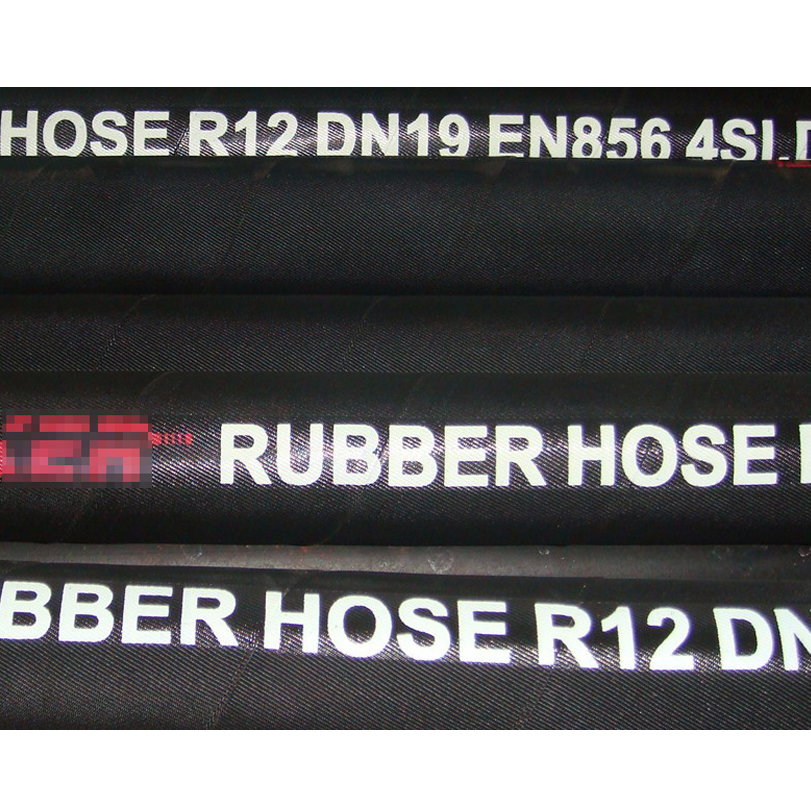
Hydraulic hose assemblies are critical components in fluid power systems, responsible for the safe and efficient transmission of hydraulic fluid to actuators and other machinery. Profession manufacturer hydraulic hose factories specialize in the design, production, and testing of these vital components, serving diverse industries including construction, agriculture, manufacturing, mining, and transportation. The core performance characteristics of hydraulic hoses – pressure rating, temperature resistance, fluid compatibility, and burst strength – directly impact the reliability and safety of the equipment they serve. This guide provides an in-depth technical overview of hydraulic hose technology, covering material science, manufacturing processes, performance engineering, failure modes, and relevant industry standards. A key industry pain point is maintaining consistent quality and traceability across increasingly complex hose constructions and materials, coupled with the demand for longer service life in harsher operating environments. Furthermore, meeting stringent environmental regulations concerning material composition and disposal presents ongoing challenges for manufacturers.
Material Science & Manufacturing
Hydraulic hoses are typically constructed from multiple layers, each contributing to specific performance characteristics. The inner tube, in direct contact with the hydraulic fluid, is commonly made from synthetic rubbers such as nitrile (NBR), ethylene propylene diene monomer (EPDM), or fluorocarbon (FKM/Viton). NBR offers good resistance to petroleum-based fluids, EPDM excels in phosphate ester hydraulic fluids and high-temperature applications, and FKM provides superior resistance to a wide range of aggressive chemicals and extreme temperatures. Reinforcement layers, providing the hose’s strength and pressure-bearing capacity, are traditionally composed of high-tensile steel wire – single wire, spiral wire, or braided constructions. Increasingly, synthetic fiber reinforcements like aramid (Kevlar) and polyester are used, offering lighter weight and improved flexibility. The outer cover, protecting the reinforcement layers from abrasion, weather, and chemical exposure, is typically made from synthetic rubbers like chloroprene (CR) or polyurethane (PU).
Manufacturing processes vary depending on hose type and construction. Inner tubes are commonly produced via extrusion, ensuring consistent wall thickness and dimensional accuracy. Reinforcement layers are applied through braiding or spiraling processes, requiring precise tension control to achieve specified burst pressures. Extrusion is then used to apply the outer cover. Critical parameters during manufacturing include rubber compound mixing ratios, cure times and temperatures, wire tension, and dimensional tolerances. Quality control involves rigorous testing of raw materials, in-process inspections, and final product testing including pressure testing to 1.5 times the working pressure, impulse testing to simulate hydraulic shock, and dimensional verification. Skiving, the process of removing a portion of the outer cover at the hose ends, is crucial for preventing extrusion during assembly and ensuring proper fitting engagement. Recent advancements include utilizing automated braiding machines for increased precision and throughput, and employing non-destructive testing methods like ultrasonic inspection to detect internal flaws.
Performance & Engineering
The performance of a hydraulic hose is governed by several key engineering principles. Burst pressure, the maximum pressure the hose can withstand before failure, is determined by the reinforcement layer’s tensile strength and construction. Working pressure, a fraction of the burst pressure (typically a 4:1 safety factor), represents the recommended operating pressure. Impulse pressure, the cyclical pressure fluctuations inherent in hydraulic systems, demands consideration of hose fatigue life. The hose’s ability to withstand these cycles without failure is critical. Temperature extremes affect rubber elasticity and thus pressure-holding capacity; manufacturers specify temperature ranges for each hose type. Fluid compatibility is paramount; selecting a hose material incompatible with the hydraulic fluid can lead to swelling, degradation, and premature failure.
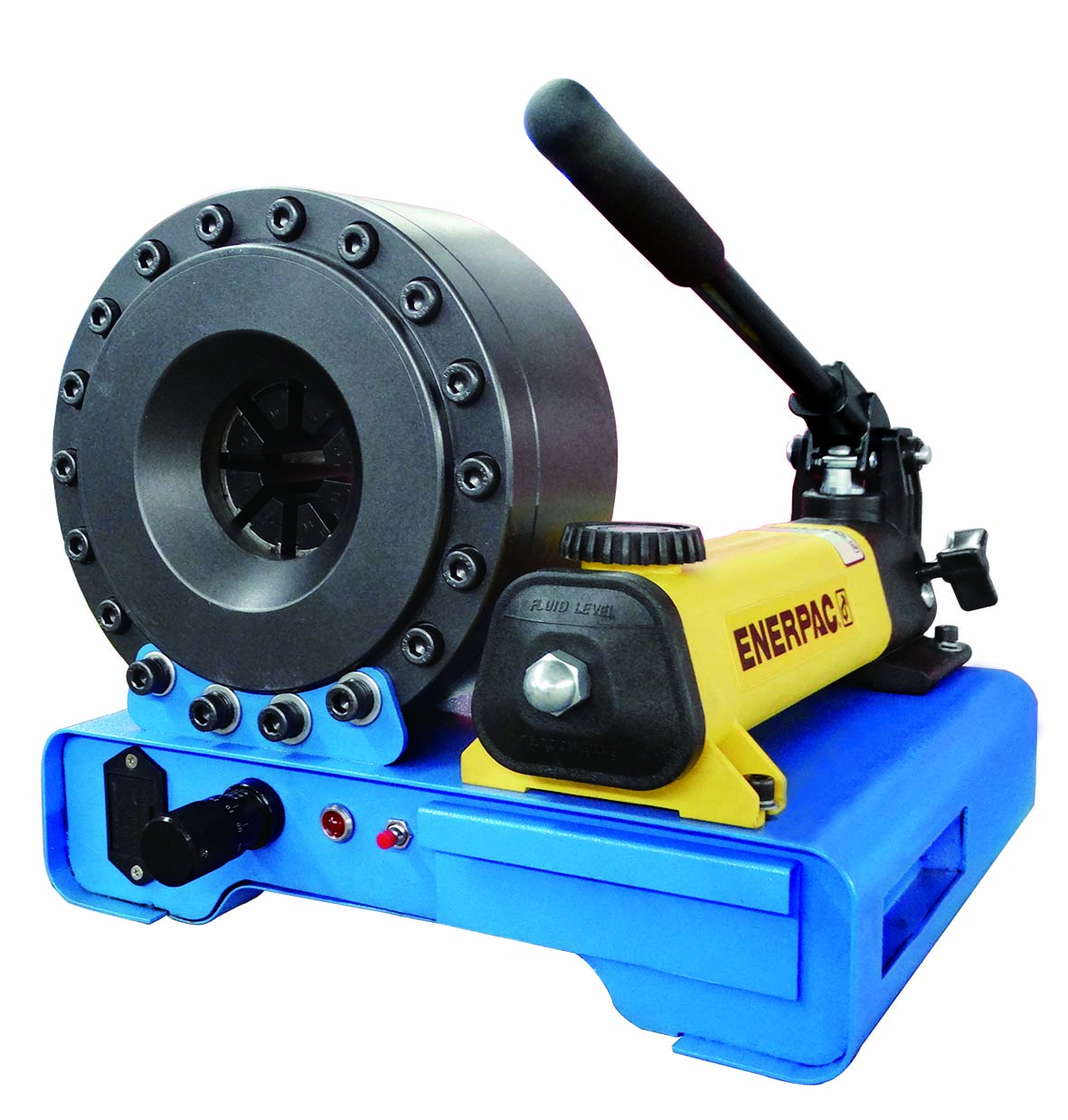
Force analysis involves calculating hoop stress within the hose wall under pressure, ensuring it remains below the material’s yield strength. Finite element analysis (FEA) is used extensively in hose design to optimize reinforcement configurations and predict stress distribution. Compliance with industry standards, such as SAE J517 and EN 853, is essential for ensuring safety and interchangeability. Environmental resistance encompasses protection against ozone, UV radiation, and abrasion. Hose assemblies also require careful fitting selection and crimping procedures. Incorrect fitting selection or inadequate crimping can compromise the hose’s integrity, leading to leaks or catastrophic failure. The correct crimp diameter and depth are crucial parameters, determined by the hose and fitting specifications. Static and dynamic bending radii must also be considered to avoid kinking and premature wear.
Technical Specifications
| Hose Type | Working Pressure (PSI) | Burst Pressure (PSI) | Temperature Range (°F) |
|---|---|---|---|
| Hydraulic Hose - SAE 100R1AT | 2000 | 8000 | -40 to 212 |
| Hydraulic Hose - SAE 100R2AT | 2400 | 9600 | -40 to 212 |
| Hydraulic Hose - SAE 100R6 | 1500 | 6000 | -40 to 180 |
| Hydraulic Hose - EN 853 1SN | 2200 | 8800 | -40 to 100 |
| Hydraulic Hose - EN 853 2SN | 2800 | 11200 | -40 to 100 |
| Thermoplastic Hose - SAE 100R7 | 1800 | 7200 | -40 to 250 |
Failure Mode & Maintenance
Hydraulic hose failure can manifest in several forms. Bursting is a catastrophic failure resulting from exceeding the working pressure or material degradation. Kinking occurs when the hose is bent beyond its minimum bend radius, restricting flow and potentially causing damage. Abrasion is caused by external contact with abrasive surfaces, gradually wearing away the outer cover. Permeation allows hydraulic fluid to migrate through the hose wall, leading to pressure loss and environmental contamination. Fitting failure, often caused by corrosion or improper crimping, results in leaks. Fatigue cracking develops over time due to cyclical pressure and bending stresses. Oxidation and UV degradation cause the rubber to become brittle and crack. Internal degradation is prompted by fluid incompatibility or contamination leading to swelling and eventual failure of the inner tube.
Preventative maintenance is critical for extending hose life. Regular visual inspections should identify signs of abrasion, kinking, cracking, and leaks. Hose assemblies should be replaced at predetermined intervals, based on operating conditions and manufacturer’s recommendations. Proper routing and support are essential to prevent abrasion and kinking. Ensure fittings are compatible with the hose and hydraulic fluid. Crimping procedures must be strictly followed to maintain fitting integrity. Fluid cleanliness is paramount; filtration prevents internal damage and contamination. When replacing a hose, always replace the fittings as well, ensuring a complete and reliable assembly. Detailed records of hose replacements and inspections should be maintained to track performance and identify potential problems.
Industry FAQ
Q: What is the difference between a braided and spiral reinforced hydraulic hose?
A: Braided hoses utilize multiple layers of interwoven steel wire, offering excellent flexibility and resistance to kinking. They are well-suited for applications with tight bend radii and frequent movement. Spiral reinforced hoses employ a single continuous wire spirally wound around the inner tube, providing higher pressure ratings and greater resistance to burst. However, they are less flexible and more susceptible to kinking if bent beyond their minimum bend radius.
Q: How does temperature affect hydraulic hose performance?
A: Elevated temperatures can reduce the rubber’s elasticity, lowering the hose’s pressure rating and increasing the risk of permeation. Low temperatures can cause the rubber to become brittle, making it more susceptible to cracking. Selecting a hose material with an appropriate temperature range is crucial for reliable operation.
Q: What is the importance of proper hose crimping?
A: Proper crimping ensures a secure and leak-proof connection between the hose and fitting. Insufficient crimping can lead to slippage and leaks, while excessive crimping can damage the hose reinforcement. Crimping specifications must be followed precisely, using calibrated crimping tools and dies.
Q: What are the common causes of hydraulic hose leaks?
A: Common causes include deteriorated or damaged seals, loose or corroded fittings, cracks in the hose cover, and improper crimping. Regular inspection and preventative maintenance can help identify and address these issues before they lead to leaks.
Q: How do I select the correct hydraulic fluid for my hose?
A: Compatibility between the hydraulic fluid and hose material is essential. Refer to the hose manufacturer's specifications to determine the appropriate fluid type. Using an incompatible fluid can cause swelling, degradation, and premature failure of the hose.
Conclusion
Hydraulic hose technology is a critical aspect of fluid power systems, requiring a thorough understanding of material science, manufacturing processes, and performance engineering. Profession manufacturer hydraulic hose factories play a vital role in ensuring the reliability and safety of hydraulic equipment across diverse industries. Selecting the appropriate hose type, ensuring proper installation and maintenance, and adhering to industry standards are crucial for maximizing hose life and preventing costly failures.
The future of hydraulic hose technology will likely focus on developing lighter-weight, higher-strength materials, improving resistance to extreme temperatures and aggressive fluids, and incorporating smart technologies for condition monitoring and predictive maintenance. Furthermore, increased emphasis on sustainability will drive the development of eco-friendly materials and manufacturing processes. Continued innovation in hose design and manufacturing will be essential for meeting the evolving demands of the hydraulic power industry.