
Apr . 01, 2024 17:55 Back to list
petroleum gasoline oil rubber delivery hose Performance Analysis
Introduction
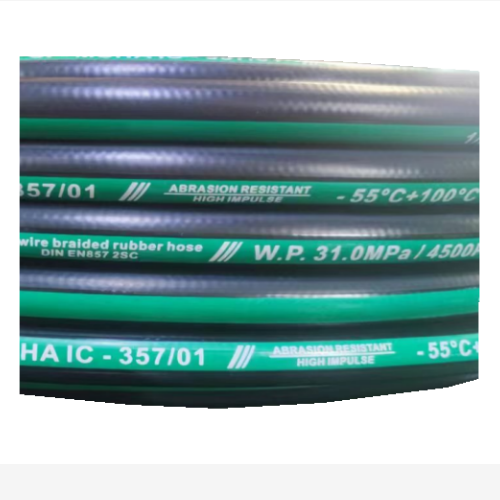
Petroleum gasoline oil rubber delivery hose is a specialized flexible conduit designed for the safe and efficient transfer of gasoline, oil, and other petroleum-based fuels. Positioned within the downstream petroleum industry, these hoses serve as a critical interface between storage tanks, transport vehicles (tanker trucks, railcars), and dispensing systems. Core performance characteristics include resistance to fuel permeation, burst pressure, abrasion, and weathering. Unlike general-purpose rubber hoses, fuel delivery hoses necessitate materials engineered to withstand the corrosive effects of hydrocarbon exposure and meet stringent safety regulations. Their importance extends to minimizing fuel loss, preventing environmental contamination, and ensuring worker safety. The demand for robust and reliable fuel delivery hoses is driven by increasing global energy consumption and increasingly stringent environmental protection mandates. Failure in these hoses can lead to significant economic and environmental consequences.
Material Science & Manufacturing
The core material for petroleum gasoline oil rubber delivery hoses is typically a synthetic rubber compound, most commonly nitrile rubber (NBR) due to its excellent resistance to petroleum-based products. Other materials used include chloroprene rubber (CR, Neoprene) for enhanced ozone and weathering resistance, and ethylene propylene diene monomer (EPDM) for specialized applications requiring high-temperature performance. Reinforcement layers are critical. These typically consist of multiple plies of high-tensile strength synthetic textiles, such as nylon or polyester, embedded within the rubber matrix. The textile plies provide the hose's resistance to internal pressure. The cover layer is also synthetic rubber, often incorporating carbon black for UV protection and abrasion resistance. Manufacturing primarily employs extrusion, braiding, and vulcanization processes. First, the inner and outer rubber compounds are extruded through a die to form the tubular shape. Simultaneously or subsequently, the reinforcing textiles are braided or spirally wound around the inner tube. Precise control of braid angle and tension is paramount for pressure resistance. Finally, the assembly undergoes vulcanization – a chemical process involving heat and pressure – to crosslink the rubber polymers, creating a durable, elastic, and chemically resistant finished product. Critical parameters during vulcanization include temperature, pressure, and cure time, which directly influence the hose's physical properties (tensile strength, elongation, hardness).
Performance & Engineering
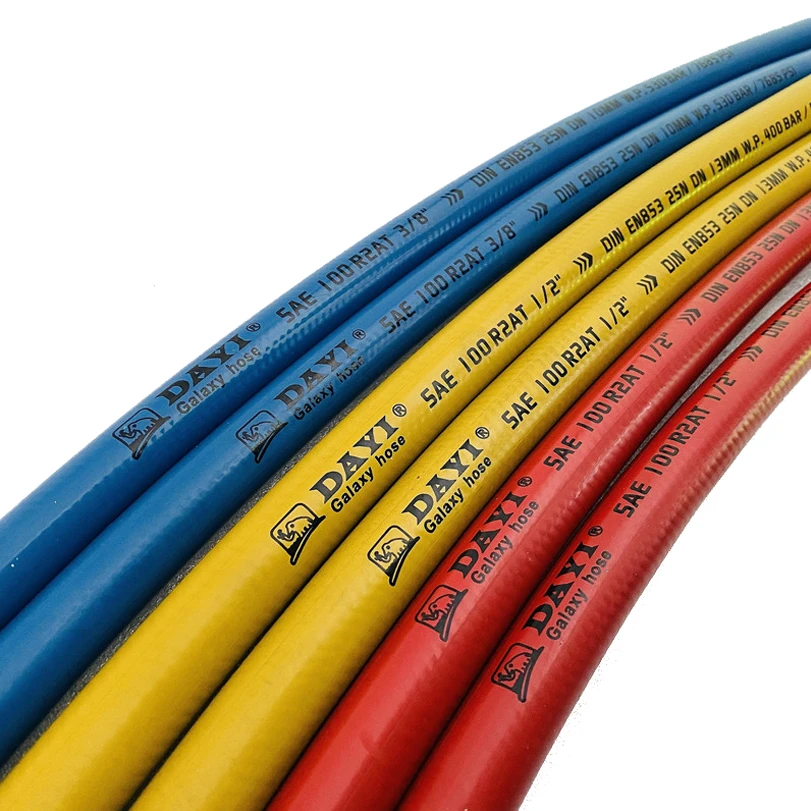
Performance assessment of fuel delivery hoses centers on several critical engineering parameters. Burst pressure, determined through hydrostatic testing, is a primary specification, reflecting the hose's ability to withstand extreme pressure surges. Tensile strength and elongation at break, measured according to ASTM D412, dictate the hose's resistance to tearing and stretching. Permeation resistance, often evaluated using ASTM D530, is vital to minimize fuel loss and emissions. This involves measuring the rate at which fuel molecules diffuse through the hose wall. Abrasion resistance, assessed via Taber abrasion testing (ASTM D5963), gauges the hose's durability in demanding operational environments. Flexibility and bend radius are also important considerations, impacting ease of handling and installation. Environmental resistance, encompassing ozone, UV, and weathering exposure (ASTM G154), ensures long-term performance in outdoor applications. Additionally, static electricity dissipation is a critical safety feature, preventing spark ignition of flammable fuels. This is achieved through the incorporation of conductive additives in the rubber compound, ensuring a low electrical resistance as per ISO 80079-30. Force analysis during operation includes consideration of internal pressure, external loads (bending, crushing), and dynamic stresses induced by fluid flow and pulsation.
Technical Specifications
| Parameter | Unit | Specification Range | Test Standard |
|---|---|---|---|
| Working Pressure | psi | 150-300 | ASTM D1430 |
| Burst Pressure | psi | 450-900 | ASTM D1430 |
| Tensile Strength | MPa | 10-20 | ASTM D412 |
| Elongation at Break | % | 300-500 | ASTM D412 |
| Permeation Rate (Gasoline) | g/m²/day | <5 | ASTM D530 |
| Abrasion Resistance (Volume Loss) | cm³ | <50 | ASTM D5963 |
Failure Mode & Maintenance
Common failure modes in petroleum gasoline oil rubber delivery hoses include cracking due to ozone degradation, permeation-induced swelling and softening of the rubber, abrasion from rubbing against surfaces, fatigue cracking from repeated bending and pressure cycling, and catastrophic rupture due to exceeding the burst pressure. Specifically, nitrile rubber is susceptible to swelling in prolonged contact with certain fuel additives and biodiesel blends. Furthermore, prolonged UV exposure leads to surface cracking and loss of elasticity. Internal corrosion, though less common, can occur if the hose is exposed to water contamination. Failure analysis often reveals a combination of factors contributing to hose failure. Maintenance protocols are crucial. Regular visual inspections for cracks, abrasions, and swelling are essential. The hose should be replaced if any signs of damage are detected. Avoid sharp bends and kinking during handling and storage. Ensure proper support to prevent excessive stress on the hose connections. Flush the hose periodically to remove sediment and contaminants. Store hoses in a cool, dry, and dark environment away from direct sunlight and ozone sources. Proper grounding procedures are vital to prevent static electricity buildup, especially during fuel transfer.
Industry FAQ
Q: What is the impact of ethanol blending on the longevity of a nitrile rubber fuel delivery hose?
A: Ethanol blending, while intended to enhance octane and reduce emissions, can negatively affect nitrile rubber. Ethanol acts as a plasticizer, causing the rubber to swell and soften over time, increasing permeation rates and reducing mechanical strength. Hoses specifically formulated for ethanol-blended fuels utilize modified nitrile compounds or alternative rubber materials (e.g., fluorocarbon rubber) to mitigate these effects. Regular inspection and shorter replacement intervals are recommended when handling E10 or higher ethanol blends.
Q: How do I determine the appropriate working pressure for a fuel delivery hose in my application?
A: The appropriate working pressure must exceed the maximum pressure expected during normal operation, including pressure surges and pump fluctuations. Consult the equipment manufacturer's specifications for the system's maximum operating pressure. Select a hose with a working pressure rating at least four times the expected maximum pressure. Also, consider the temperature of the fluid being transferred, as pressure ratings typically apply at a specific temperature. Derating factors should be applied for higher temperatures.
Q: What safety measures should be taken to prevent static electricity buildup during fuel transfer?
A: Static electricity buildup is a serious hazard when transferring flammable liquids. Ensure the hose is electrically conductive by using a hose with a conductive cover and grounding wire. Bond the hose to the fuel tank and the dispensing nozzle to create an equipotential plane. Maintain a slow flow rate during fuel transfer to minimize friction and charge generation. Use proper grounding straps and clamps to ensure a secure electrical connection.
Q: What is the significance of hose cover hardness, and how does it relate to abrasion resistance?
A: Hose cover hardness, measured using the Shore A scale, indicates the rubber's resistance to indentation and abrasion. Generally, a higher Shore A hardness indicates greater abrasion resistance. However, excessive hardness can reduce flexibility. The optimal hardness depends on the specific application and the type of abrasive surfaces the hose will encounter. A balance between abrasion resistance and flexibility is essential.
Q: What are the typical replacement intervals for fuel delivery hoses, and what factors influence them?
A: Typical replacement intervals range from 3 to 5 years, but this varies significantly depending on usage frequency, environmental conditions, the type of fuel handled, and adherence to maintenance procedures. Hoses exposed to harsh sunlight, extreme temperatures, or corrosive chemicals require more frequent inspection and replacement. Hoses used for continuous operation or handling abrasive fluids will also have shorter lifespans. Regular inspections and documented maintenance records are vital for determining the appropriate replacement schedule.
Conclusion
Petroleum gasoline oil rubber delivery hoses represent a critical component in the safe and reliable transfer of fuels within the petroleum industry. Their performance is intrinsically linked to material science, manufacturing precision, and adherence to rigorous engineering standards. The selection of appropriate materials, such as nitrile and chloroprene rubber, coupled with robust reinforcement layers and precise vulcanization, are paramount for ensuring durability and resistance to the challenges posed by fuel exposure and environmental factors.
Ongoing advancements in rubber compounding and hose construction are focused on enhancing permeation resistance, abrasion resistance, and compatibility with evolving fuel formulations, including biofuels. Proactive maintenance practices, including regular inspection, proper storage, and timely replacement, are crucial for mitigating failure risks and ensuring long-term operational integrity. The future of fuel delivery hose technology will likely center on smart hoses with integrated sensors for real-time monitoring of pressure, temperature, and leakage detection, further enhancing safety and efficiency.