
Apr . 01, 2024 17:55 Back to list
parker hydraulic hose Performance Analysis
Introduction
Parker hydraulic hose constitutes a critical component in fluid power systems across a diverse range of industries, including construction, agriculture, manufacturing, and aerospace. Positioned as a flexible conduit for transmitting hydraulic fluid to actuators and machinery, it bridges the gap between static pump units and dynamic cylinders or motors. The core performance of a hydraulic hose is dictated by its ability to withstand high pressures, resist abrasion and external damage, maintain flexibility over a broad temperature range, and prevent fluid leakage. This guide provides a comprehensive technical overview of Parker hydraulic hose, covering material science, manufacturing processes, performance characteristics, failure modes, and relevant industry standards. A key pain point in the industry revolves around hose selection – mismatched hoses can lead to premature failure, costly downtime, and potential safety hazards. Therefore, a thorough understanding of the specifications and applications is paramount.
Material Science & Manufacturing
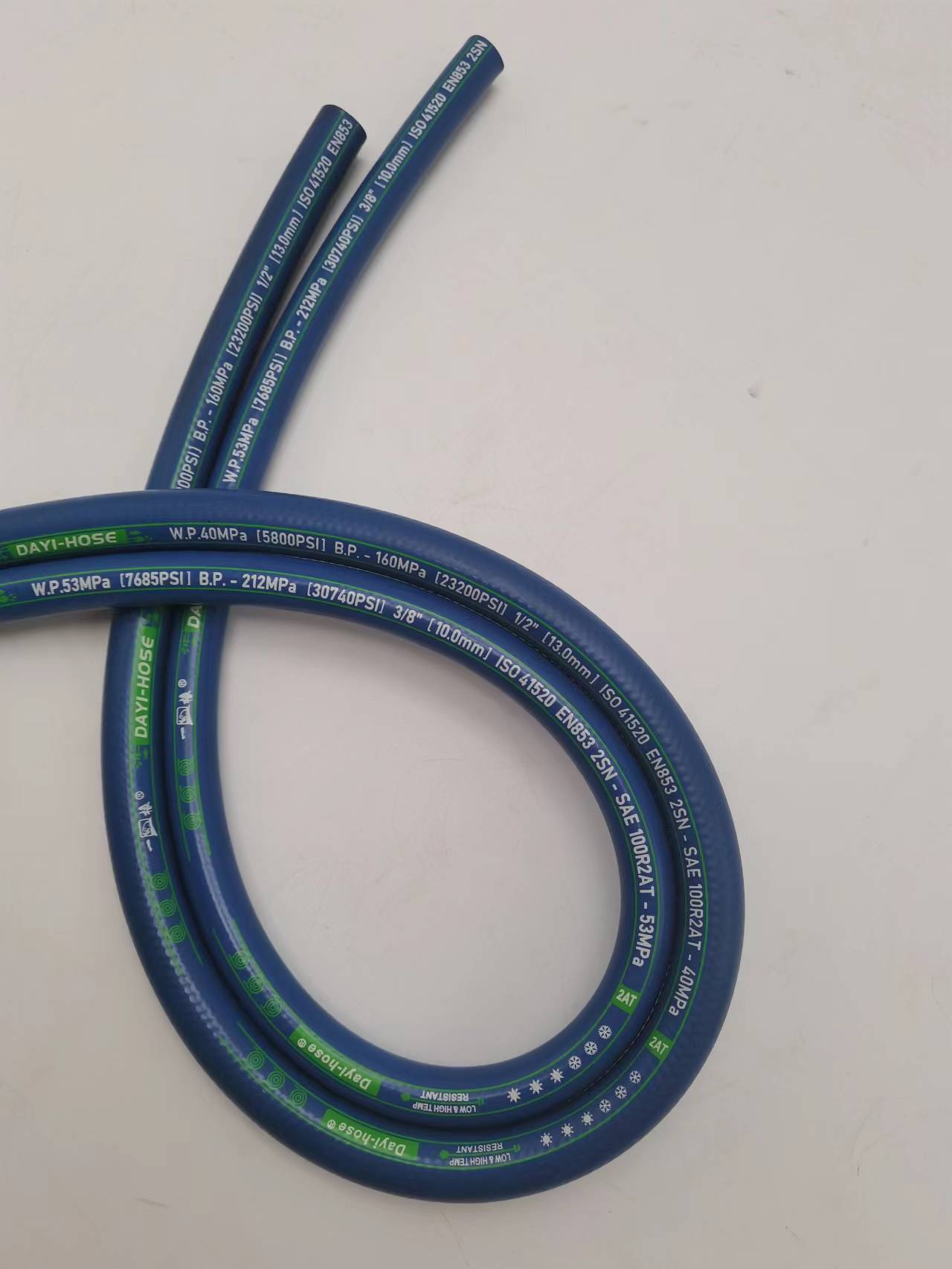
Parker hydraulic hoses are typically constructed from a multi-layered composite structure, each layer contributing to specific performance attributes. The inner tube, the layer in direct contact with the hydraulic fluid, is commonly manufactured from synthetic rubbers such as Nitrile (NBR), Ethylene Propylene Diene Monomer (EPDM), or Fluorocarbon (FKM/Viton), selected based on fluid compatibility and temperature requirements. NBR offers good resistance to petroleum-based fluids but limited temperature range; EPDM excels in phosphate ester fluids and high temperatures; and FKM provides superior resistance to a wide range of chemicals and extreme temperatures. The reinforcement layer, crucial for pressure containment, employs high-tensile strength materials like multiple spiral plies of steel wire, aramid fiber (Kevlar), or a combination thereof. Steel wire offers the highest pressure capacity but is less flexible; aramid provides excellent flexibility and weight reduction but with lower pressure ratings. The outer cover, designed for abrasion and environmental protection, utilizes synthetic rubbers like Chloroprene (Neoprene) or Polyurethane, offering resistance to oil, weathering, and ozone.
Manufacturing processes vary depending on hose type and construction. For spiral hoses, steel wire is continuously wound around a mandrel with the inner tube extruded simultaneously. This process requires precise control of wire tension, pitch angle, and extrusion parameters to ensure uniform reinforcement and dimensional accuracy. Braided hoses involve interlacing yarns (aramid or polyester) over the inner tube using specialized braiding machines. The braid angle and yarn density determine the hose’s burst pressure and flexibility. After reinforcement, the outer cover is extruded, followed by curing—a vulcanization process that crosslinks the rubber compounds, enhancing their strength and elasticity. Quality control throughout the process involves dimensional checks, pressure testing to specified burst pressures (typically 4:1 safety factor), and leak testing to ensure integrity. The selection of raw materials is governed by rigorous incoming inspection protocols to verify compliance with Parker specifications and industry standards.
Performance & Engineering
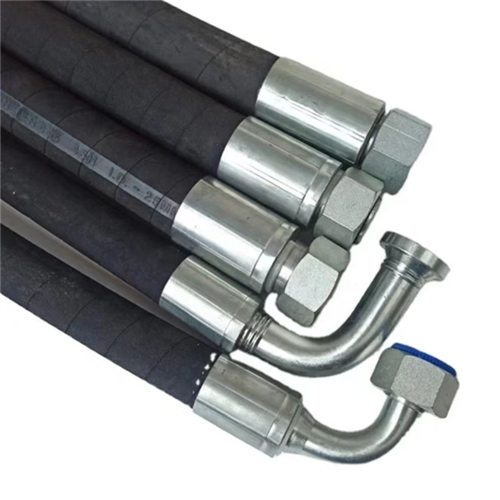
The performance of Parker hydraulic hose is heavily governed by fluid mechanics and material stress-strain relationships. Burst pressure, the maximum pressure a hose can withstand before failure, is a primary performance parameter, directly related to the reinforcement layer's strength and construction. Working pressure, typically a fraction (e.g., 50-60%) of the burst pressure, dictates the safe operating pressure for sustained use. Hose flexibility, essential for complex routing and minimizing stress concentrations, is influenced by the reinforcement type and cover material. Static bend radius, the minimum radius to which a hose can be bent without kinking, is a critical design consideration.
Environmental resistance is equally vital. Hydraulic hoses often operate in harsh conditions, exposed to extreme temperatures, UV radiation, and corrosive fluids. The cover material must prevent degradation from these factors. Fluid compatibility is paramount to prevent swelling, softening, or cracking of the inner tube, leading to leaks. Hydraulic fluid velocity also plays a role; excessive velocity can cause erosion of the inner tube and generate heat. Parker utilizes finite element analysis (FEA) to model hose behavior under various loading conditions, optimizing reinforcement designs and predicting service life. Compliance with industry standards, such as SAE J517 (hydraulic hose – construction, performance, and testing) and ISO 18754 (hydraulic hose assemblies – performance requirements), ensures adherence to safety and reliability requirements.
Technical Specifications
| Hose Type | Reinforcement | Inner Tube Material | Working Pressure (PSI) | Burst Pressure (PSI) | Temperature Range (°F) |
|---|---|---|---|---|---|
| 1SC | Single Steel Wire Spiral | Nitrile Rubber (NBR) | 2000 | 8000 | -40 to +212 |
| 2ST | Two Steel Wire Spiral | Nitrile Rubber (NBR) | 3000 | 12000 | -40 to +212 |
| 4SH | Four Steel Wire Spiral | Nitrile Rubber (NBR) | 4500 | 18000 | -40 to +212 |
| 1SN | Single Steel Wire Spiral | EPDM Rubber | 1500 | 6000 | -40 to +250 |
| 315 | Two Braided Aramid | Nitrile Rubber (NBR) | 1000 | 4000 | -40 to +212 |
| 735 | Four Spiral Aramid | Nitrile Rubber (NBR) | 2500 | 10000 | -40 to +212 |
Failure Mode & Maintenance
Common failure modes in Parker hydraulic hose include burst failure (due to exceeding pressure limits), pinhole leaks (resulting from internal damage or degradation), and abrasion (caused by external contact with abrasive surfaces). Fatigue cracking can occur in the reinforcement layer due to cyclical bending and pressure fluctuations. Kinking, resulting from exceeding the minimum bend radius, weakens the hose and can lead to cracking. Degradation of the rubber compounds due to exposure to heat, ozone, or incompatible fluids is also a prevalent failure mechanism. Oxidation of the inner tube can occur, particularly with hoses used in high-temperature applications with insufficient fluid maintenance.
Preventative maintenance is crucial for maximizing hose lifespan. Regular visual inspections should be conducted to identify signs of wear, abrasion, or leakage. Hoses should be replaced if any damage is detected. Proper routing and support are essential to prevent kinking and abrasion. Using appropriate fittings and ensuring proper crimping are critical for preventing leaks. Hydraulic fluid should be regularly analyzed to identify contamination or degradation, as contaminated fluid accelerates hose failure. Maintaining the hydraulic system's pressure within the hose’s working pressure limits is paramount. Implementing a hose management program, including tracking hose age and service history, can optimize maintenance schedules and prevent unplanned downtime.
Industry FAQ
Q: What are the key differences between steel wire reinforced and aramid reinforced hydraulic hose?
A: Steel wire reinforcement provides significantly higher burst pressures and is better suited for applications requiring extreme pressure capability. However, it’s less flexible and heavier than aramid reinforcement. Aramid reinforced hose offers greater flexibility, reduced weight, and is preferred in applications where bending and maneuverability are critical, but at a lower maximum pressure rating. The choice depends on the specific application’s pressure and flexibility requirements.
Q: How does temperature affect the performance and lifespan of hydraulic hose?
A: Extreme temperatures, both high and low, can degrade the rubber compounds in the hose, reducing its flexibility and strength. High temperatures accelerate oxidation and can cause the inner tube to swell or crack. Low temperatures can make the hose brittle and prone to cracking. Selecting a hose with a temperature rating appropriate for the operating environment is crucial.
Q: What is the correct procedure for crimping hydraulic hose fittings?
A: Proper crimping is essential to ensure a leak-free connection. Incorrect crimping – either too loose or too tight – can lead to failure. The crimping process must follow the hose and fitting manufacturer’s specifications, using a calibrated crimping machine and the correct die set. The crimp should create a secure, airtight seal without damaging the hose reinforcement.
Q: What are the implications of using incompatible hydraulic fluid with a specific hose type?
A: Using an incompatible fluid can cause the inner tube to swell, soften, or crack, leading to leaks and premature failure. For example, using petroleum-based fluid in a hose designed for phosphate ester fluid will cause rapid degradation. Always verify fluid compatibility with the hose manufacturer's specifications.
Q: How can I identify potential hose failures before they occur?
A: Regular visual inspections are key. Look for signs of abrasion, cracking, bulging, or leakage. Check the hose for proper routing and support. Monitor hydraulic fluid condition for contamination. Implement a hose replacement schedule based on age and service hours. Any unusual noise or vibration during operation should be investigated immediately.
Conclusion
Parker hydraulic hose, with its layered construction and diverse material options, represents a critical enabling technology across numerous industries. Understanding the interplay between material science, manufacturing processes, and performance parameters is essential for selecting the appropriate hose for a given application. By adhering to recommended maintenance practices and conducting regular inspections, the lifespan and reliability of hydraulic hose systems can be significantly enhanced, minimizing downtime and ensuring operational safety.
Future advancements in hydraulic hose technology will likely focus on developing lighter-weight materials, improving abrasion resistance, and incorporating smart sensing capabilities for real-time condition monitoring. The ongoing pursuit of higher pressure ratings and broader temperature ranges will also drive innovation in hose design and materials. Ultimately, a comprehensive understanding of these technical nuances is paramount for engineers and procurement professionals seeking to optimize hydraulic system performance and longevity.