
Apr . 01, 2024 17:55 Back to list
parflex thermoplastic hose Performance Analysis
Introduction
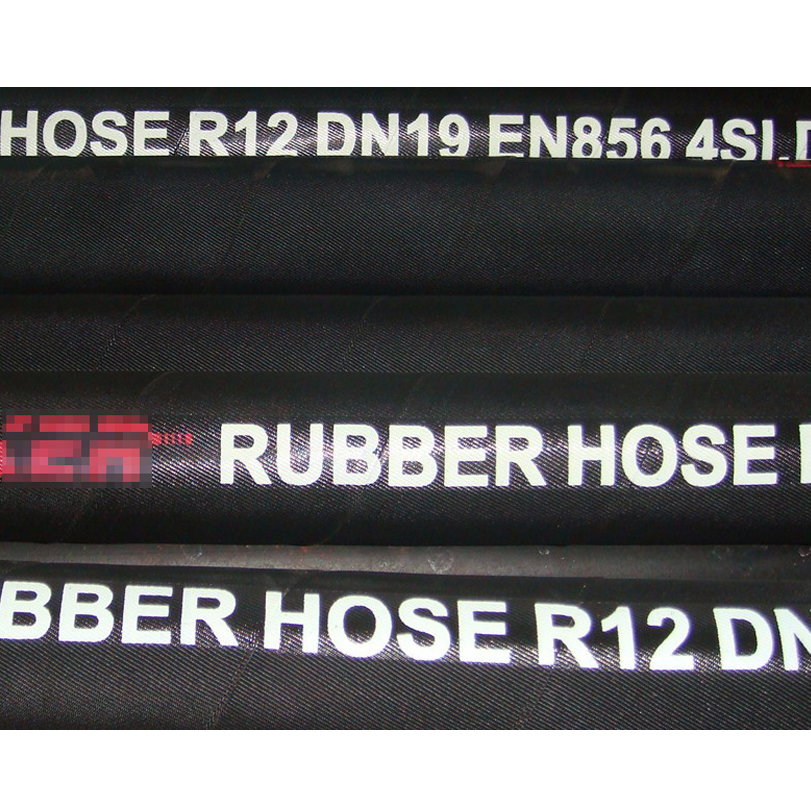
Parflex thermoplastic hose represents a significant advancement in fluid transfer technology, specifically engineered for demanding industrial applications. Positioned within the broader hose and fitting industry, Parflex distinguishes itself through its construction utilizing thermoplastic materials – primarily engineered polymers – reinforced with high-tensile strength fibers. Unlike traditional rubber hoses, Parflex offers superior resistance to a wide range of chemicals, abrasion, and temperature extremes. Its core performance characteristics center around maintaining fluid integrity, ensuring consistent pressure ratings, and providing long-term reliability in critical systems. This guide provides a comprehensive technical overview of Parflex thermoplastic hose, covering material science, manufacturing processes, performance parameters, potential failure modes, and relevant industry standards. The increasing demand for lighter-weight, chemically resistant, and durable fluid transfer solutions drives the growing adoption of Parflex in sectors such as chemical processing, oil and gas, automotive, and food processing.
Material Science & Manufacturing
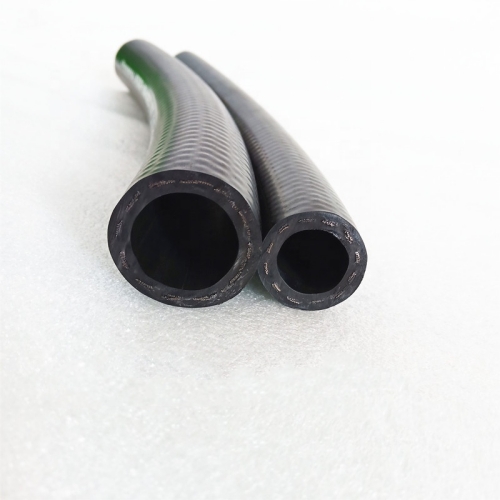
The foundation of Parflex hose performance lies in its material composition. The primary thermoplastic materials used include Polypropylene (PP), Polyethylene (PE), Polyamide (Nylon – PA), and Polyvinylidene Fluoride (PVDF), each selected for specific application requirements. PP offers good chemical resistance and low cost; PE provides flexibility and impact resistance; Nylon exhibits high tensile strength and abrasion resistance; and PVDF excels in highly corrosive environments. These polymers are typically extruded through a die to form the inner core and outer cover layers. The reinforcement layer, critical to pressure containment, commonly consists of multiple plies of high-tensile strength synthetic fibers – polyester, aramid (Kevlar), or stainless steel wire – spirally wound or braided around the inner core. Manufacturing involves several key parameter controls: extrusion temperature (critical for polymer melt viscosity and layer bonding), fiber tension during winding/braiding (influences burst pressure and elongation), and vulcanization (for certain constructions to enhance polymer crosslinking). Post-extrusion processes include dimensional inspection, pressure testing (to 1.3 - 1.5 times the working pressure), and surface finishing. Chemical compatibility is verified through immersion testing, exposing hose samples to target fluids for extended periods to assess swelling, degradation, and permeation rates. The quality of the raw materials, specifically the purity of the polymers and the tensile strength of the reinforcement fibers, directly impacts the final product's performance and lifespan.
Performance & Engineering
Performance of Parflex hose is governed by several key engineering principles. Force analysis is crucial in determining the hose's ability to withstand internal pressure without failure. The hoop stress (tensile stress acting circumferentially) is directly proportional to pressure and radius, and inversely proportional to wall thickness. Therefore, maintaining consistent wall thickness and utilizing high-strength reinforcement layers are paramount. Environmental resistance is another critical factor; exposure to UV radiation, ozone, and extreme temperatures can degrade the polymer matrix, leading to embrittlement and cracking. Stabilizers and UV inhibitors are incorporated into the polymer formulation to mitigate these effects. Compliance requirements vary significantly by industry and application. For food processing applications, hoses must meet FDA standards for non-toxicity and leachability. Oil and gas applications often require compliance with API standards for high-pressure and high-temperature service. Static electricity dissipation is addressed through the incorporation of conductive fillers in the polymer, preventing spark ignition in flammable environments. The bend radius is also a critical design parameter; exceeding the minimum bend radius can cause kinking, reducing flow and potentially damaging the reinforcement layers. Fatigue analysis is performed to assess the hose's resistance to repeated pressure cycling, a common occurrence in many industrial processes.
Technical Specifications
| Parameter | Unit | Typical Value (PP Reinforced) | Typical Value (Nylon Reinforced) |
|---|---|---|---|
| Working Pressure | PSI | 250 | 400 |
| Burst Pressure | PSI | 750 | 1200 |
| Temperature Range | °F | -40 to 176 | -40 to 212 |
| Tensile Strength | PSI | 4,000 | 7,000 |
| Elongation at Break | % | 300 | 200 |
| Chemical Resistance | Rating (1-5, 5=Excellent) | 3 | 4 |
Failure Mode & Maintenance
Parflex thermoplastic hose, while durable, is susceptible to specific failure modes. Fatigue cracking, induced by repeated pressure cycling and bending, is a common issue, particularly in applications with high vibration. Delamination, the separation of reinforcement layers from the polymer matrix, can occur due to improper bonding during manufacturing or exposure to harsh chemicals. Oxidation and degradation of the polymer matrix can result from prolonged exposure to high temperatures and UV radiation, leading to embrittlement and loss of flexibility. Abrasion, particularly during handling and installation, can wear through the outer cover, exposing the reinforcement layers. Permeation of fluids through the polymer matrix can also be a concern, especially with aggressive solvents. Preventive maintenance includes regular visual inspections for cracks, abrasions, and swelling. Proper storage, away from direct sunlight and extreme temperatures, is crucial. Avoiding sharp bends and excessive kinking during installation extends hose life. When handling corrosive fluids, verifying chemical compatibility is paramount. If damage is detected, the hose should be replaced immediately. Pressure testing should be conducted periodically to ensure the hose continues to meet its specified working pressure.
Industry FAQ
Q: What is the primary difference between Parflex hose and traditional rubber hose in terms of chemical resistance?
A: Traditional rubber hoses, particularly those based on natural rubber, are susceptible to degradation by oils, solvents, and many acids and bases. Parflex thermoplastic hoses, constructed from polymers like PVDF and Nylon, offer significantly broader and more robust chemical resistance, making them suitable for handling aggressive fluids where rubber hoses would fail rapidly.
Q: How does temperature affect the performance and lifespan of Parflex hose?
A: Extreme temperatures, both high and low, can negatively impact Parflex hose. High temperatures can cause the polymer matrix to soften and lose strength, while low temperatures can lead to embrittlement and cracking. The specific temperature range for a given Parflex hose depends on the polymer used, and operating outside this range will accelerate degradation.
Q: What reinforcement materials are commonly used in Parflex hose, and how do they impact performance?
A: Common reinforcement materials include polyester, aramid (Kevlar), and stainless steel wire. Polyester provides good strength and cost-effectiveness. Aramid offers exceptional tensile strength and cut resistance. Stainless steel wire provides the highest burst pressure capability and resistance to corrosion, but is typically more expensive.
Q: Is Parflex hose suitable for food-grade applications, and what certifications are required?
A: Certain Parflex hose constructions are specifically designed for food-grade applications. These hoses typically utilize FDA-compliant polymers and are free of plasticizers and other harmful substances. Certifications like 3-A Sanitary Standards and USP Class VI are often required to demonstrate compliance.
Q: What are the key considerations when selecting the appropriate bend radius for Parflex hose?
A: Exceeding the minimum bend radius can cause kinking, restricting flow and potentially damaging the reinforcement layers. The minimum bend radius is typically specified by the manufacturer and depends on the hose's diameter and construction. Maintaining the recommended bend radius ensures optimal performance and longevity.
Conclusion
Parflex thermoplastic hose provides a compelling alternative to traditional rubber hoses in a wide array of industrial fluid transfer applications. Its superior chemical resistance, temperature performance, and durability, stemming from its engineered polymer construction and robust reinforcement layers, address critical pain points in industries demanding reliability and longevity. Understanding the material science, manufacturing processes, and potential failure modes is crucial for proper selection, installation, and maintenance.
Future development in Parflex technology is focused on enhanced polymer formulations for improved chemical resistance and temperature stability, as well as innovative reinforcement materials for increased burst pressure and reduced weight. Adoption of smart hose technologies, incorporating sensors for pressure, temperature, and leak detection, will further enhance the safety and efficiency of fluid transfer systems. Continued adherence to rigorous industry standards and quality control measures will be paramount to ensure the continued performance and reliability of Parflex thermoplastic hose.

