
Apr . 01, 2024 17:55 Back to list
one wire braided hydraulic hose factory Performance Analysis
Introduction
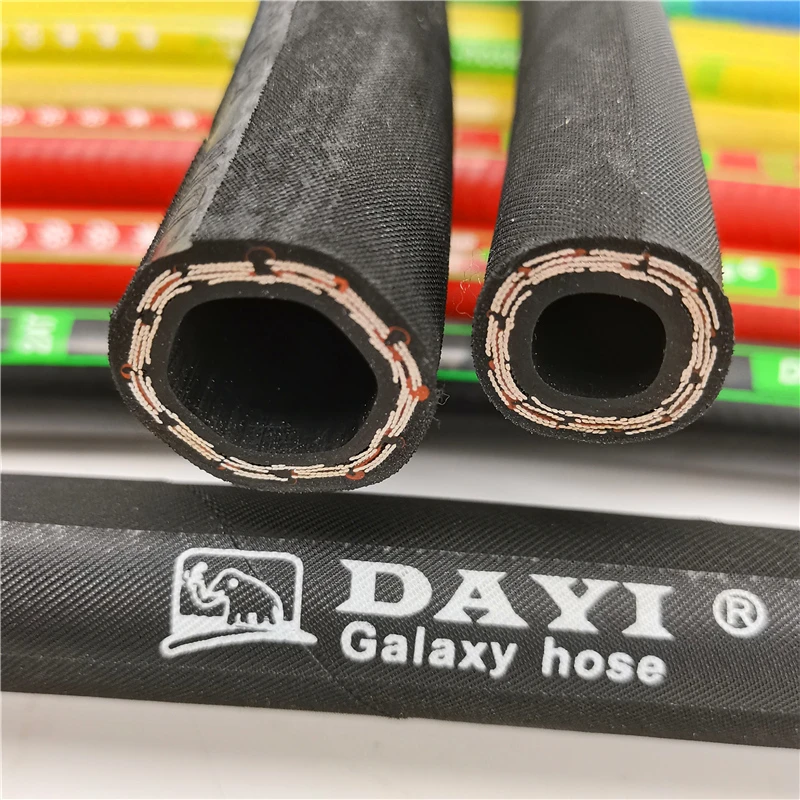
One wire braided hydraulic hose represents a critical component in fluid power systems across a wide range of industries, including construction, agriculture, manufacturing, and automotive. Positioned within the hydraulic system as the conduit for transmitting pressurized fluid – typically hydraulic oil – its primary function is to deliver power from the pump to actuators or hydraulic motors. Unlike rubber hoses lacking reinforcement, one-wire braid construction utilizes a single layer of high-tensile steel wire spirally wound around the inner tube, providing significantly enhanced pressure capacity and burst strength. Core performance characteristics include working pressure, burst pressure, temperature range, and fluid compatibility. The increasing demand for higher operating pressures in modern hydraulic equipment necessitates continuous improvements in hose construction and material science. Selection considerations extend beyond basic pressure ratings to include factors such as bend radius, abrasion resistance, and resistance to chemical attack from the hydraulic fluid.
Material Science & Manufacturing
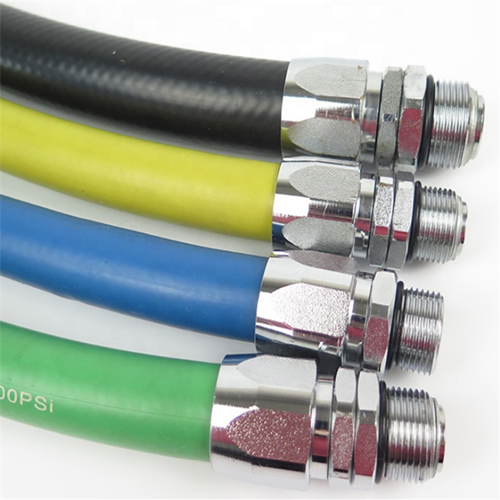
The construction of one wire braided hydraulic hose relies on a carefully selected combination of materials. The inner tube, typically composed of synthetic rubber compounds like nitrile rubber (NBR) or ethylene propylene diene monomer (EPDM), must exhibit compatibility with the intended hydraulic fluid. NBR offers excellent resistance to petroleum-based oils, while EPDM excels in applications requiring resistance to phosphate ester fluids and weathering. The reinforcement layer is almost universally high-tensile steel wire, specifically drawn and treated to enhance flexibility and bonding with the surrounding rubber. The outer cover, generally a chloroprene rubber (CR) compound, provides abrasion, ozone, and weather protection. Key manufacturing processes include: 1) Inner tube extrusion: The rubber compound is extruded through a die to form a continuous tube. Precise temperature control is crucial to ensure consistent wall thickness and cure characteristics. 2) Wire braiding: High-speed braiding machines interlock the steel wires around a mandrel, creating the reinforcement layer. Braid angle and wire density directly impact hose pressure capacity. 3) Hose assembly: The braided reinforcement is applied to the inner tube, followed by vulcanization – a curing process using heat and pressure to bond the layers. 4) Outer cover extrusion: Chloroprene rubber is extruded over the braided structure, forming the protective outer layer. 5) End termination: Fittings are attached using a crimping process, ensuring a secure and leak-proof connection. Parameter control during vulcanization is paramount, affecting the final hose’s physical properties and long-term performance. Specifically, cure time, temperature, and pressure must be meticulously monitored.
Performance & Engineering
Performance of one wire braided hydraulic hose is fundamentally governed by its ability to withstand internal pressure without failure. Force analysis involves calculating hoop stress within the hose wall – a function of internal pressure and hose diameter. This stress is directly countered by the tensile strength of the steel wire reinforcement. Environmental resistance is critical; prolonged exposure to UV radiation, ozone, and extreme temperatures can degrade the rubber compounds, reducing flexibility and increasing the risk of cracking. Compliance requirements are dictated by industry standards (see Section 7) such as SAE J517, which defines pressure ratings, testing procedures, and performance criteria. The bend radius is a crucial engineering parameter; exceeding the minimum bend radius induces excessive stress on the reinforcement, potentially leading to premature fatigue failure. Furthermore, the hose must demonstrate resistance to fluid permeation – the migration of hydraulic fluid through the hose wall – to maintain system efficiency and prevent environmental contamination. Finite element analysis (FEA) is often employed to model stress distribution under various loading conditions, optimizing hose design and predicting service life. Hose selection requires careful consideration of the entire system operating parameters, including peak pressure, temperature fluctuations, fluid type, and expected service environment.
Technical Specifications
| Parameter | Unit | Typical Value (SAE 100 R1 AT) | Test Standard |
|---|---|---|---|
| Working Pressure | PSI | 2000 | SAE J517 |
| Burst Pressure | PSI | 8000 | SAE J517 |
| Temperature Range | °F | -40 to +212 | SAE J517 |
| Inner Tube Material | - | Nitrile Rubber (NBR) | ASTM D2000 |
| Reinforcement | - | Single Steel Wire Braid | SAE J517 |
| Outer Cover Material | - | Chloroprene Rubber (CR) | ASTM D2000 |
Failure Mode & Maintenance
One wire braided hydraulic hoses are susceptible to several failure modes. Fatigue cracking, arising from repeated flexing and pressure cycles, is a common issue, particularly in applications with tight bend radii or frequent pulsations. Delamination, the separation of layers within the hose wall, can occur due to inadequate bonding during vulcanization or exposure to incompatible fluids. Oxidation of the rubber compounds, accelerated by high temperatures and exposure to oxygen, leads to hardening and cracking. Abrasion, caused by contact with abrasive surfaces, compromises the outer cover, exposing the reinforcement to corrosion. Internal corrosion, resulting from the presence of water or corrosive contaminants in the hydraulic fluid, weakens the steel wire braid. Maintenance procedures should include regular visual inspections for cracks, abrasions, and leaks. Hoses should be replaced if any signs of damage are observed. Proper fluid maintenance – including filtration and monitoring of water content – is crucial to prevent internal corrosion. Avoid exceeding the minimum bend radius during installation and operation. Periodically check crimp connections for tightness and signs of corrosion. Storage conditions should protect hoses from direct sunlight, extreme temperatures, and ozone exposure. Implement a preventative maintenance schedule based on operating hours and environmental conditions.
Industry FAQ
Q: What is the significance of the "dash size" in hydraulic hose specification?
A: The dash size, such as -6, -8, or -10, refers to the inner diameter of the hose in sixteenths of an inch. Therefore, a -8 hose has an inner diameter of 8/16 inch, or 1/2 inch. It is a critical parameter for ensuring proper flow rate and minimizing pressure drop within the hydraulic system.
Q: How does the wire braid angle affect hose performance?
A: A steeper braid angle generally provides higher pressure capacity, as it distributes the load more effectively across the reinforcement wires. However, a steeper angle can also reduce hose flexibility. The optimal braid angle is a compromise between pressure rating and bend radius.
Q: What fluid compatibility issues should I be aware of when selecting a hydraulic hose?
A: Different hydraulic fluids have varying chemical compositions. Using an incompatible hose material can lead to swelling, softening, or degradation of the inner tube, resulting in leaks or hose failure. Always consult a fluid compatibility chart to ensure the hose material is suitable for the intended fluid.
Q: What are the risks associated with using a hose that exceeds its working pressure?
A: Exceeding the working pressure significantly increases the stress on the hose components, potentially leading to immediate burst failure. Even operating close to the maximum pressure for extended periods can accelerate fatigue and reduce hose lifespan. It is crucial to select a hose with a sufficient safety factor to accommodate pressure spikes and fluctuations.
Q: How can I properly identify a damaged hydraulic hose?
A: Visual inspection is the first step. Look for cracks, abrasions, blisters, or oil leaks. Check the crimp connections for corrosion or looseness. A hose that appears kinked, flattened, or significantly deformed should be replaced immediately. Also, be aware of unusual noises or vibrations during operation, which could indicate a failing hose.
Conclusion
One wire braided hydraulic hose remains a cornerstone of fluid power transmission due to its robust construction and ability to handle moderate to high pressures. The selection process necessitates a comprehensive understanding of material science, manufacturing processes, and engineering principles. Careful consideration of factors such as fluid compatibility, temperature range, and operating environment is crucial to ensure reliable performance and minimize the risk of failure.
Looking forward, advancements in hose technology will likely focus on developing lighter-weight materials, increasing pressure ratings, and improving resistance to extreme operating conditions. Implementing rigorous preventative maintenance programs and adhering to industry standards will continue to be essential for maximizing hose lifespan and ensuring the safety and efficiency of hydraulic systems.